
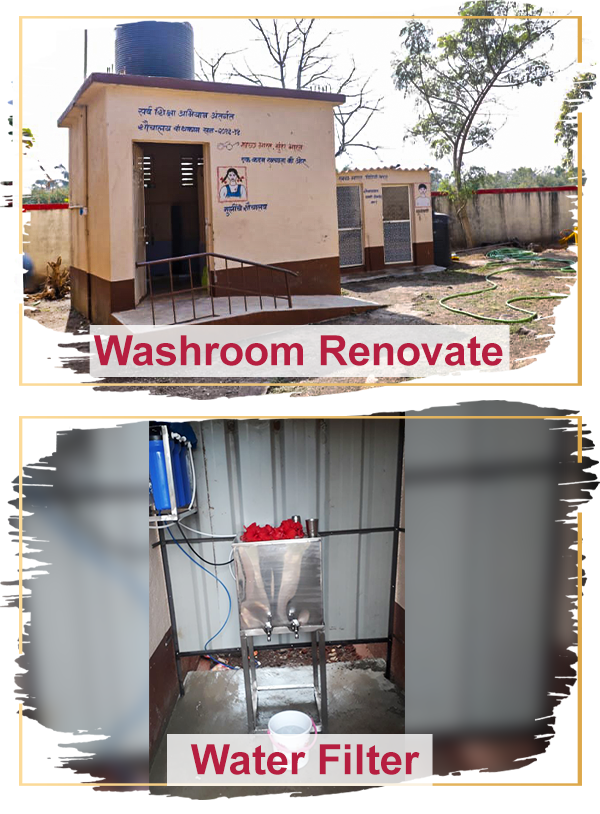
In today’s evolving social landscape, national non profit organizations play a critical role in addressing large-scale societal challenges and driving meaningful change. These organizations operate at a country-wide level, focusing on issues such as education, healthcare, poverty alleviation, environmental protection, and social justice. Their reach, structure, and impact distinguish them from smaller, local initiatives.
What Are National Non Profit Organizations?
National non profit organizations are entities that function across an entire country rather than being confined to a specific city or region. They are established with the primary objective of serving public or social interests rather than generating profits. Any revenue generated is reinvested into their programs and initiatives to further their mission.
These organizations typically operate through multiple branches, regional offices, or partner networks, allowing them to implement programs on a large scale. Their national presence enables them to influence policies, collaborate with government bodies, and create widespread awareness about critical issues.
Key Characteristics
Several defining features set national-level non profits apart:
1. Wide Geographic Reach
They operate across multiple states or regions, ensuring their programs benefit diverse populations.
2. Structured Governance
These organizations usually have a formal governance system, including a board of directors, executive leadership, and operational teams to ensure accountability and transparency.
3. Diverse Funding Sources
Funding often comes from donations, grants, corporate partnerships, and sometimes government support. Financial sustainability is crucial for maintaining long-term impact.
4. Scalable Programs
Their initiatives are designed to be scalable, meaning they can be expanded or replicated in different regions without losing effectiveness.
Areas of Focus
National non profits typically work in multiple sectors to address pressing societal needs:
- Education: Improving access to quality education, building infrastructure, and supporting students from underserved communities.
- Healthcare: Running awareness campaigns, supporting medical services, and improving access to essential care.
- Environment: Promoting sustainability, conservation, and climate action initiatives.
- Social Welfare: Supporting marginalized groups, including women, children, and the elderly.
- Disaster Relief: Providing immediate assistance during natural disasters and helping communities rebuild.
Importance in Society
The significance of national non profit organizations extends beyond direct service delivery. They act as catalysts for systemic change by addressing root causes rather than just symptoms.
Bridging Gaps
They fill gaps where government services may be limited or insufficient, ensuring that vulnerable populations are not left behind.
Policy Advocacy
With their scale and influence, these organizations often advocate for policy changes that can benefit millions of people.
Public Awareness
They play a key role in educating citizens about social issues, encouraging community participation and responsible behavior.
Innovation and Experimentation
Non profits often pilot innovative solutions that can later be adopted by governments or other institutions.
Challenges Faced
Despite their impact, national non profits face several operational and strategic challenges:
- Funding Instability: Reliance on donations and grants can lead to financial uncertainty.
- Regulatory Compliance: Navigating legal and compliance requirements can be complex.
- Resource Management: Managing large teams and operations across regions requires strong coordination.
- Measuring Impact: Demonstrating measurable outcomes and long-term impact can be difficult but essential for credibility.
How They Maintain Transparency
Transparency is a cornerstone of credibility for any non profit organization. National-level entities typically adopt the following practices:
- Publishing annual reports and financial statements
- Conducting regular audits
- Maintaining donor communication and updates
- Implementing monitoring and evaluation systems
These measures help build trust among donors, stakeholders, and beneficiaries.
Role of Technology
Technology has significantly enhanced the efficiency and reach of national non profits:
- Digital Fundraising: Online platforms make it easier to raise funds from a broader audience.
- Data Management: Helps in tracking beneficiaries, measuring impact, and improving decision-making.
- Awareness Campaigns: Social media and digital marketing amplify outreach and engagement.
Conclusion
National non profit organizations are essential pillars of a well-functioning society. Their ability to operate on a large scale, address diverse issues, and influence policy makes them powerful agents of change. While they face challenges, their commitment to social welfare, combined with strategic planning and transparency, enables them to create lasting impact.
As awareness and participation grow, these organizations will continue to play a crucial role in building a more inclusive, equitable, and sustainable future.