In today’s digital-first world, software solutions come in many shapes and sizes. Whether you need a mobile app for your smartphone, a web app that runs in a browser, or a more traditional desktop application, each option offers unique benefits. Let’s explore the differences between mobile apps, applications, and web apps, and why understanding them is essential for businesses looking to grow their online presence.
What Are Mobile Apps?
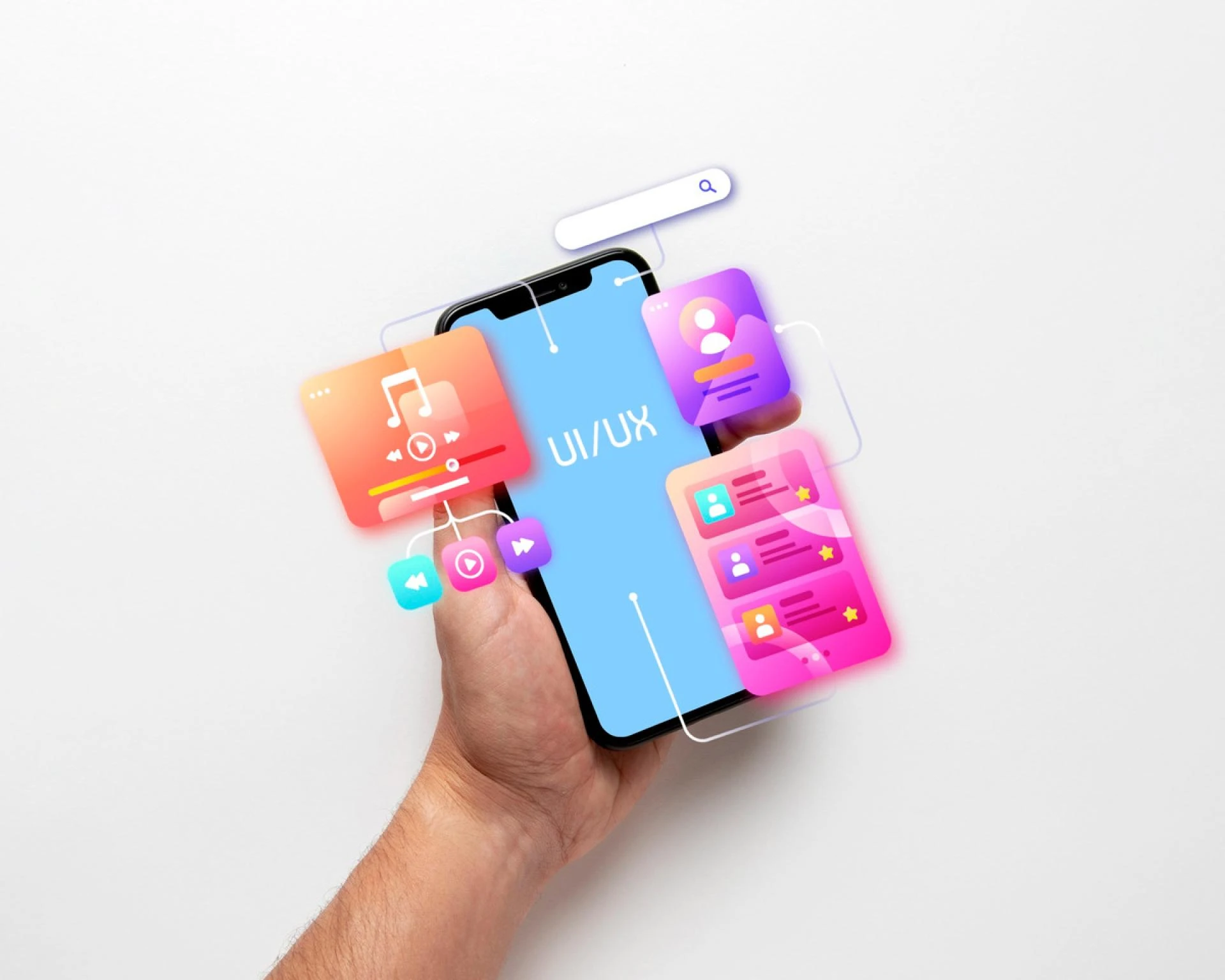
Mobile apps are specialized software designed to run on smartphones and tablets. Developed for platforms like iOS and Android, these apps often leverage device-specific hardware, such as GPS, cameras, and biometrics. Mobile apps are typically distributed through app marketplaces like the Apple App Store or Google Play Store.
Key benefits of mobile apps include:
Performance and Speed: Mobile apps are optimized for specific devices, making them faster and more responsive.
Access to Device Features: Apps can directly use phone features such as the camera, contacts, and push notifications.
Offline Functionality: Many apps can work without an internet connection, syncing data once the device is back online.
For businesses, investing in mobile app development can enhance user engagement, improve customer retention, and drive revenue through in-app purchases or subscriptions.
What Are Applications?
The term application is more generic—it refers to any computer program that performs a specific function for its user. Applications can run on desktops, servers, or mobile devices. They include:
Desktop applications like Microsoft Word and Photoshop.
Mobile applications (as described above).
Enterprise software that supports business operations like accounting, inventory, or HR management.
When you choose application development, you focus on creating stable, feature-rich software to solve a particular problem. Whether standalone or cloud-based, application development often requires robust backend systems, databases, and third-party integrations.
What Are Web Apps?
Web apps look and feel like traditional applications but are accessed through a browser. Unlike mobile apps, they don’t require installation and can run across different devices and operating systems. Examples of web apps include Google Docs, Trello, and Canva.
Advantages of web app development:
Cross-Platform Compatibility: A well-designed web app will work on desktops, laptops, phones, and tablets.
No Installation Necessary: Users can access the app with a simple URL.
Ease of Updates: Web apps can be updated quickly and seamlessly without forcing users to download new versions.
Web apps are a cost-effective and scalable choice for businesses looking to reach a broad audience without committing to the stricter requirements of app marketplaces.
Differences at a Glance
Here’s a quick summary to highlight the distinctions:
Mobile App
Platform: Smartphones/Tablets
Installation: Required
Offline Access: Yes
Performance: High Varies
Application
Platform: Any device
Installation: Usually required
Offline Access: Depends on design
Performance: Varies
Web App
Platform: Browser-based
Installation: Not required
Offline Access: Typically limited
Performance: Moderate
Choosing the Right Development Approach
When deciding between mobile app, application, and web app development, your goals and target audience must be the top priority. Mobile apps offer superior device integration and engagement. Web apps provide flexibility and lower entry barriers. And traditional application development can deliver powerful, customized solutions for desktops and enterprise use.
By understanding the differences and strengths of each, you can make an informed choice that ensures your business's technology solutions grow alongside your users' needs.