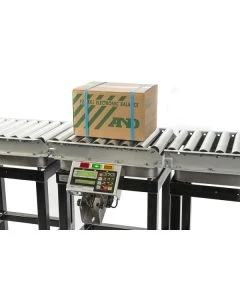
In industries where weighing plays a central role in quality control, trade, and customer transactions, precision isn’t just a technical goal — it’s a legal requirement. Checkweighers, which automatically weigh items as part of a production line, are widely used in food processing, pharmaceuticals, logistics, and manufacturing. Because they influence product labeling, pricing, regulatory compliance, and consumer safety, they are often subject to legal metrology requirements.
Understanding these requirements isn’t just about avoiding penalties — it’s about building credibility, ensuring fairness in trade, and maintaining consistent product quality.
What Is Legal Metrology?
Legal metrology refers to the regulatory framework governing measurement instruments used in trade or legal transactions. It’s distinct from scientific or industrial metrology — legal metrology focuses on fairness, accuracy, and consumer protection.
In many countries, legal metrology is overseen by government bodies that set standards for:
- Accuracy and tolerances of instruments
- Certification and verification procedures
- Calibration and maintenance requirements
- Labeling and documentation
- Penalties for non-compliance
The goal is straightforward: prevent economic losses and protect consumers from misleading or inaccurate measurements.
Why Checkweighers Fall Under Legal Metrology
Checkweighers are automated weighing systems that verify whether products meet weight specifications. They are typically installed in production lines to weigh each product passing through, reject under- or overweight items, and sometimes link weight data to batch records.
Because checkweighers directly impact:
- Product labeling (net weight claims)
- Pricing and billing
- Regulatory compliance (e.g., food safety standards)
- Consumer protection
…many jurisdictions treat them as legal-for-trade instruments.
When a checkweigher influences a commercial transaction — such as calculating how much a customer will pay based on weight — it must comply with legal metrology requirements. If the checkweigher simply provides internal data within a manufacturing process, it might not be regulated, but most commercial applications involve legal obligations.
Core Legal Metrology Requirements for Checkweighers
Although the specific rules vary between countries, there are key elements commonly found in legal metrology frameworks:
1. Type Approval or Certification
Before a checkweigher can be used in a legal-for-trade context, the model often must be evaluated and certified by an authorized metrology body.
This evaluation verifies that the instrument:
- Meets required standards for accuracy and performance
- Has appropriate safeguards against tampering
- Includes the necessary software and hardware controls
In many regions, checkweigher manufacturers supply units that are already certified, but users must still register them with the appropriate authority.
2. Accuracy and Tolerance Standards
Legal metrology sets specific performance criteria for weighing instruments. These include:
- Maximum permissible errors (MPE) — the allowable difference between actual and displayed weight
- Repeatability limits — how consistent weight readings are over multiple measurements
- Environmental performance — how conditions like vibration or temperature affect accuracy
Checkweighers must meet these standards throughout their operating range. For example, a checkweigher used for packaging 500-gram portions might have tighter tolerances than one used for bulk loads.
3. Initial Verification and Sealing
Once installed, a checkweigher often requires initial verification by a metrology official or an accredited technician. This ensures the unit performs accurately under actual operating conditions.
After verification, the instrument is typically sealed to prevent unauthorized adjustments. Seals may be physical (e.g., tamper-evident tags) or software-based (secure passwords with audit trails).
Breaking the seal without authorization can lead to non-compliance.
4. Periodic Calibration and Re-Verification
Accuracy isn’t static — load cells drift, mechanical components wear, and environmental factors change. Legal metrology systems usually require:
- Routine calibration by an accredited lab or technician
- Periodic re-verification at prescribed intervals (often annually or bi-annually)
- Documentation of all calibration and verification activities
Failing to calibrate or re-verify a checkweigher can invalidate its legal status and expose a business to fines.
5. Traceability of Weights and Measures
Checkweighers must be calibrated with traceable standards — meaning the reference weights used are certified and linked back to national or international standards (e.g., SI units). This ensures measurement consistency across industries and borders.
Without traceability, calibration results may not be legally acceptable.
6. Records, Documentation, and Reporting
Regulatory bodies often require businesses to maintain detailed records that include:
- Calibration certificates
- Verification reports
- Maintenance logs
- Adjustment histories
- Operator training documentation
These records must be available for inspection during audits. In some industries, checkweigher data must also be archived electronically for traceability and quality assurance.
7. Operator Training and SOPs
Legal compliance isn’t just about equipment — it’s also about people. Operators must be trained in:
- Proper loading and unloading procedures
- Minimizing environmental influences (e.g., drafts, vibration)
- Recognizing error messages and faults
- Record keeping and reporting
Standard Operating Procedures (SOPs) help formalize these practices and support audit readiness.
Global and Regional Examples
Legal metrology systems vary by geography, but a few well-known frameworks illustrate how requirements are applied:
1. European Union (EU)
In the EU, weighing instruments used for trade must comply with the Non-Automatic Weighing Instruments Directive (NAWI). This directive defines essential requirements, conformity assessment procedures, and administrative regulations for legal-for-trade instruments.
Certification often involves CE marking and a notified body’s assessment.
2. United States
In the U.S., the National Conference on Weights and Measures (NCWM) sets standards, often adopted into law by states through the Uniform Weights and Measures Law. The Certificate of Conformance (CC) indicates a checkweigher model meets NCWM specifications.
State regulators handle verification, sealing, and enforcement.
3. Australia and New Zealand
Weights and measures requirements in Australia are governed by national and state authorities. Instruments used in trade must be approved and periodically verified to ensure ongoing accuracy.
Some sectors, such as food labeling, also tie weighing into broader regulatory obligations.
Challenges in Compliance
While legal metrology ensures fairness and trust, compliance can present challenges:
- Understanding complex regulations that differ among jurisdictions
- Managing calibration schedules across multiple devices
- Keeping accurate records over long periods
- Ensuring traceability to national standards
- Training staff consistently
However, proactive management of these challenges prevents costly penalties, protects customers, and enhances product integrity.
Benefits of Compliance Beyond Regulation
Strict legal metrology compliance isn’t just a checkbox — it delivers real business value:
✔ Enhances Customer Trust
When customers know weights are certified, they feel confident in pricing and quality.
✔ Reduces Errors and Waste
Regular calibration and verification mean fewer measurement errors and less rework or product loss.
✔ Strengthens Supply Chain Reliability
Accurate weight data improves inventory management, logistics, and operational forecasting.
✔ Supports Quality Management Systems
Legal compliance aligns with standards such as ISO 9001, which emphasize documented procedures and measurement accuracy.
Best Practices for Staying Compliant
To effectively manage legal requirements for checkweighers, businesses should:
1. Choose Certified Instruments
Purchase checkweighers that are already certified for legal-for-trade use in your jurisdiction.
2. Schedule Calibration and Verification
Use calendar reminders or management software to keep track of deadlines.
3. Maintain Detailed Records
Store certificates, logs, and calibration reports securely and in an organized manner.
4. Train Operators and Auditors
Regular training ensures staff understand how to use, monitor, and document checkweigher operations.
5. Review Regulations Periodically
Regulatory frameworks evolve — stay updated on changes that could impact compliance.
Conclusion
Checkweighers play a critical role in industries where accurate weighing affects pricing, labeling, safety, and legal obligations. Understanding and complying with legal metrology requirements isn’t optional — it’s central to maintaining product integrity, customer trust, and business viability.
From certification and calibration to documentation and operator training, the legal metrology framework ensures that checkweighers deliver reliable, defensible results. By embracing these requirements as part of quality culture rather than just regulatory hurdles, companies gain stronger operational performance and greater confidence in their measurement systems.