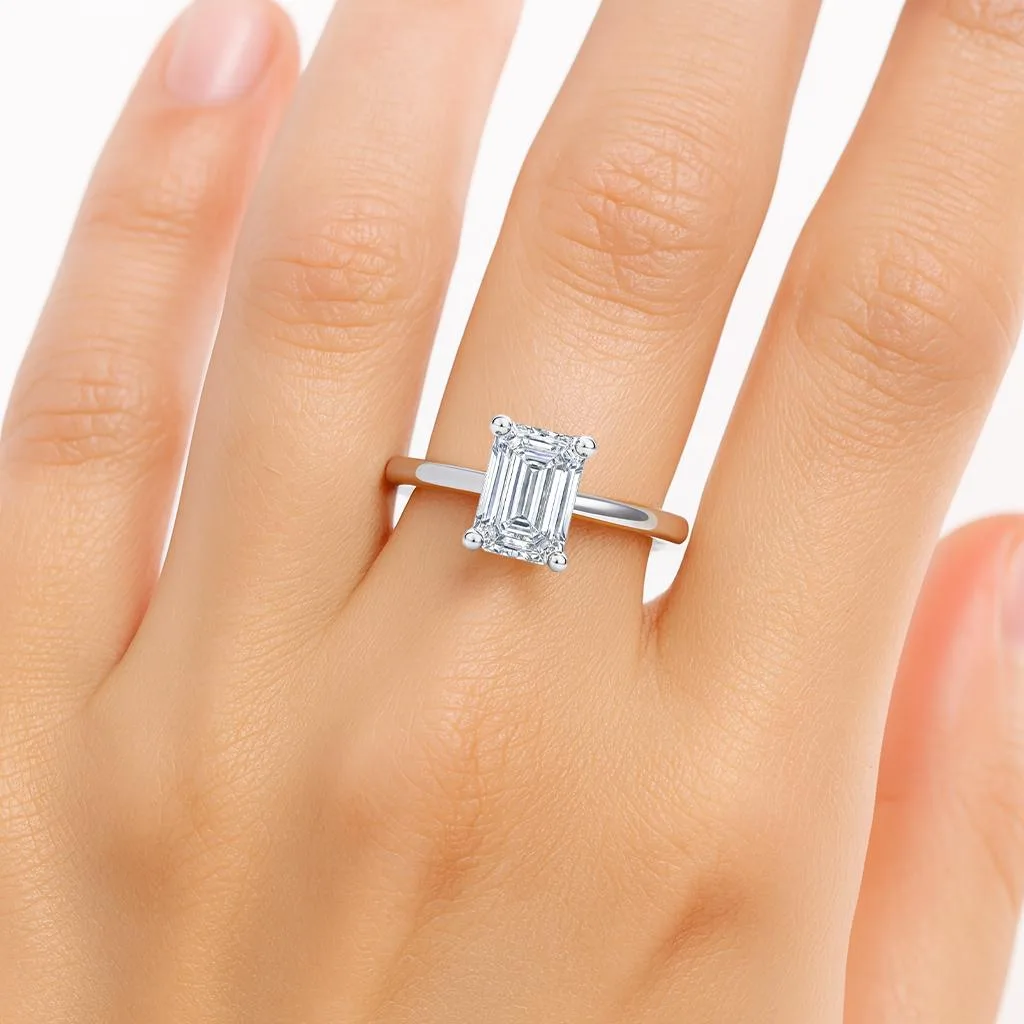
Lab-grown diamonds have become one of the most discussed topics in modern jewellery. Many buyers are interested in them, but some still feel unsure about what they actually are. The most common question is whether lab-grown diamonds are real diamonds or just an alternative that looks similar.
The answer is important for anyone buying an engagement ring, diamond necklace, bracelet, earrings or custom jewellery. A diamond purchase often carries emotional and financial value, so buyers naturally want to understand what they are choosing.
Lab-grown diamonds are real diamonds, but they are different from natural diamonds in origin. This simple difference explains much of the confusion around them.
What Are Lab-Grown Diamonds?
Lab-grown diamonds are created in a controlled environment using advanced technology. Instead of forming naturally underground, they are grown in a laboratory.
They have the same basic diamond structure as natural diamonds and can be cut, polished and set into jewellery in the same way. This is why they are used in fine jewellery, including engagement rings and luxury designs.
The key difference is not appearance. The key difference is how the diamond is formed.
Lab-Grown Diamonds Are Not Simulants
Many people confuse lab-grown diamonds with diamond simulants. This is where misunderstanding begins.
A simulant is a stone that looks like a diamond but is not actually a diamond. Cubic zirconia is one common example. It may look similar at first, but it is not the same material.
A lab-grown diamond is different because it is a real diamond. It is not simply a lookalike. It has diamond properties and can be graded for quality.
Buyers researching are lab-grown diamonds real should focus on the difference between real lab-grown diamonds and diamond simulants.
Why Are Lab-Grown Diamonds Popular?
Lab-grown diamonds are popular because they offer beauty, flexibility and value. Buyers can choose from many shapes, sizes and designs.
For engagement rings, lab-grown diamonds allow couples to explore different centre stone options. For earrings and pendants, they offer elegant daily wear choices. For bracelets and necklaces, they can create a luxurious look with more design flexibility.
Modern buyers often want jewellery that feels stylish, personal and practical. Lab-grown diamonds fit this buying style well.
Do Lab-Grown Diamonds Look Different?
To most people, a well-cut lab-grown diamond and a well-cut natural diamond can look very similar. Both can sparkle beautifully when the cut quality is strong.
The appearance depends on diamond quality, not only origin. Cut, colour, clarity and carat all affect how the diamond looks. A well-selected lab-grown diamond can look bright and elegant in fine jewellery.
This is why buyers should compare diamonds carefully and ask for certification details.
Certification Matters
Certification is important when buying any diamond. It gives buyers information about the diamond’s quality and origin.
A certificate may include carat weight, colour, clarity and cut details. For lab-grown diamonds, it should also identify the diamond as lab-grown.
This helps buyers feel more confident and avoids confusion. A trusted jeweller should always be transparent about whether a diamond is lab-grown or natural.
Lab-Grown Diamonds in Engagement Rings
Lab-grown diamonds are commonly used in engagement rings. They can be set in solitaire, halo, pavé, three-stone and custom designs.
Couples often choose them because they want a ring that looks beautiful while offering more flexibility in size or design. Lab-grown diamonds also work well with many shapes, such as round, oval, emerald, radiant and cushion.
The best engagement ring depends on personal style, comfort and meaning. Lab-grown diamonds give buyers another strong option to consider.
Are Lab-Grown Diamonds a Good Choice?
Lab-grown diamonds can be a good choice for buyers who want real diamond jewellery with modern flexibility. They are suitable for many types of jewellery and can be designed in both classic and contemporary styles.
However, the choice between lab-grown and natural diamonds depends on personal preference. Some buyers value natural origin and tradition. Others focus on design, size and budget flexibility.
A good buying decision comes from understanding the difference clearly.
Final Thoughts
Lab-grown diamonds are real diamonds, not fake stones. They are different from natural diamonds because they are created in a laboratory rather than formed underground.
For modern jewellery buyers, they offer a strong option for engagement rings, necklaces, bracelets, earrings and bespoke jewellery. The most important thing is to buy from a trusted jeweller, check certification and understand the quality details before choosing.
When buyers know the facts, they can choose lab-grown diamond jewellery with confidence.