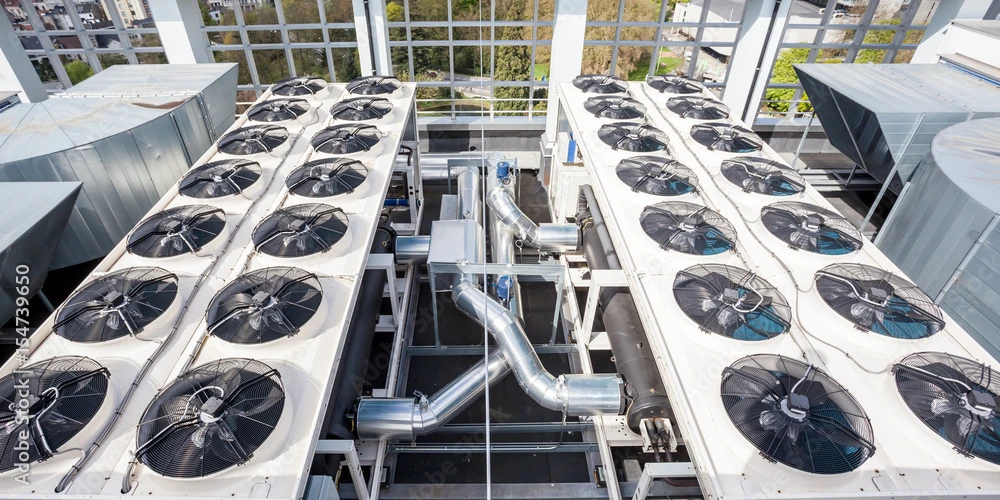
Efficient heating, ventilation, and air conditioning (HVAC) systems are essential for maintaining indoor comfort while optimizing energy use. HVAC Load & Energy Calculations play a crucial role in determining the right system size, energy consumption, and overall efficiency. Whether for residential, commercial, or industrial settings, accurate HVAC calculations help prevent energy wastage, reduce costs, and enhance system longevity.
What is HVAC Load Calculation?
HVAC load calculation refers to the process of determining the heating and cooling capacity required for a specific space. This calculation ensures that the HVAC system installed is neither too large nor too small, both of which can lead to inefficiencies and higher costs.
1. Factors Affecting HVAC Load Calculation
Several factors influence HVAC load calculations, including:
- Building Size & Layout: Larger spaces require more powerful HVAC systems.
- Insulation Quality: Well-insulated buildings retain conditioned air better, reducing the system’s workload.
- Occupancy Levels: More people generate additional heat, affecting cooling needs.
- Climate Conditions: Outdoor temperature and humidity impact the heating and cooling load.
- Windows & Doors: The number, type, and orientation of windows affect heat gain and loss.
2. Types of HVAC Load Calculations
HVAC load calculations are categorized into three main types:
- Sensible Heat Load: The actual heating or cooling required to maintain a specific indoor temperature.
- Latent Heat Load: The moisture control needed to maintain comfortable humidity levels.
- Total Cooling Load: The sum of sensible and latent heat loads, determining the total capacity required.
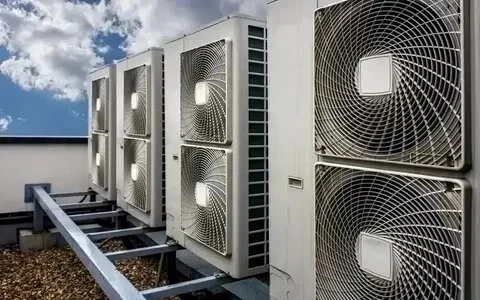
Importance of Energy Calculations in HVAC Systems
Accurate HVAC Load & Energy Calculations are essential for maximizing efficiency and minimizing operational costs. Energy calculations help determine power consumption and optimize system performance.
1. Reducing Energy Costs
By calculating the precise energy demand, building owners can avoid oversized systems that consume excessive electricity or undersized units that overwork, leading to higher energy bills.
2. Enhancing HVAC System Lifespan
Proper HVAC calculations ensure that the system operates at its designed capacity, reducing unnecessary wear and tear and prolonging equipment life.
3. Meeting Sustainability Goals
Energy-efficient HVAC systems contribute to lower carbon footprints, making buildings more environmentally friendly and compliant with energy regulations.
4. Improving Indoor Comfort
Accurate load and energy calculations ensure that HVAC systems provide consistent temperature control, proper humidity levels, and improved air quality.
Final Thoughts
Understanding HVAC Load & Energy Calculations is essential for designing and maintaining efficient HVAC systems. Proper HVAC calculations lead to energy savings, enhanced comfort, and extended equipment life. At Cool HVAC Calcs & Js, we provide expert HVAC load and energy analysis to help you achieve the best system efficiency. Contact us today to optimize your HVAC performance and reduce energy costs.