
Introduction
Hair loss is not merely a cosmetic concern—it often impacts self-confidence, professional presence, and overall quality of life. With advancements in medical science, hair restoration has evolved into a reliable and scientifically backed solution. As awareness grows, hair transplant in Gurgaon has emerged as a preferred option for individuals seeking safe, natural, and long-term hair restoration under expert medical supervision.
However, choosing to undergo a hair transplant is a major decision that requires proper understanding, realistic expectations, and informed planning. This article offers a comprehensive explanation of hair transplant procedures, suitability, planning, recovery, and long-term care, helping patients make confident and educated decisions.
What Is a Hair Transplant and How Does It Work?
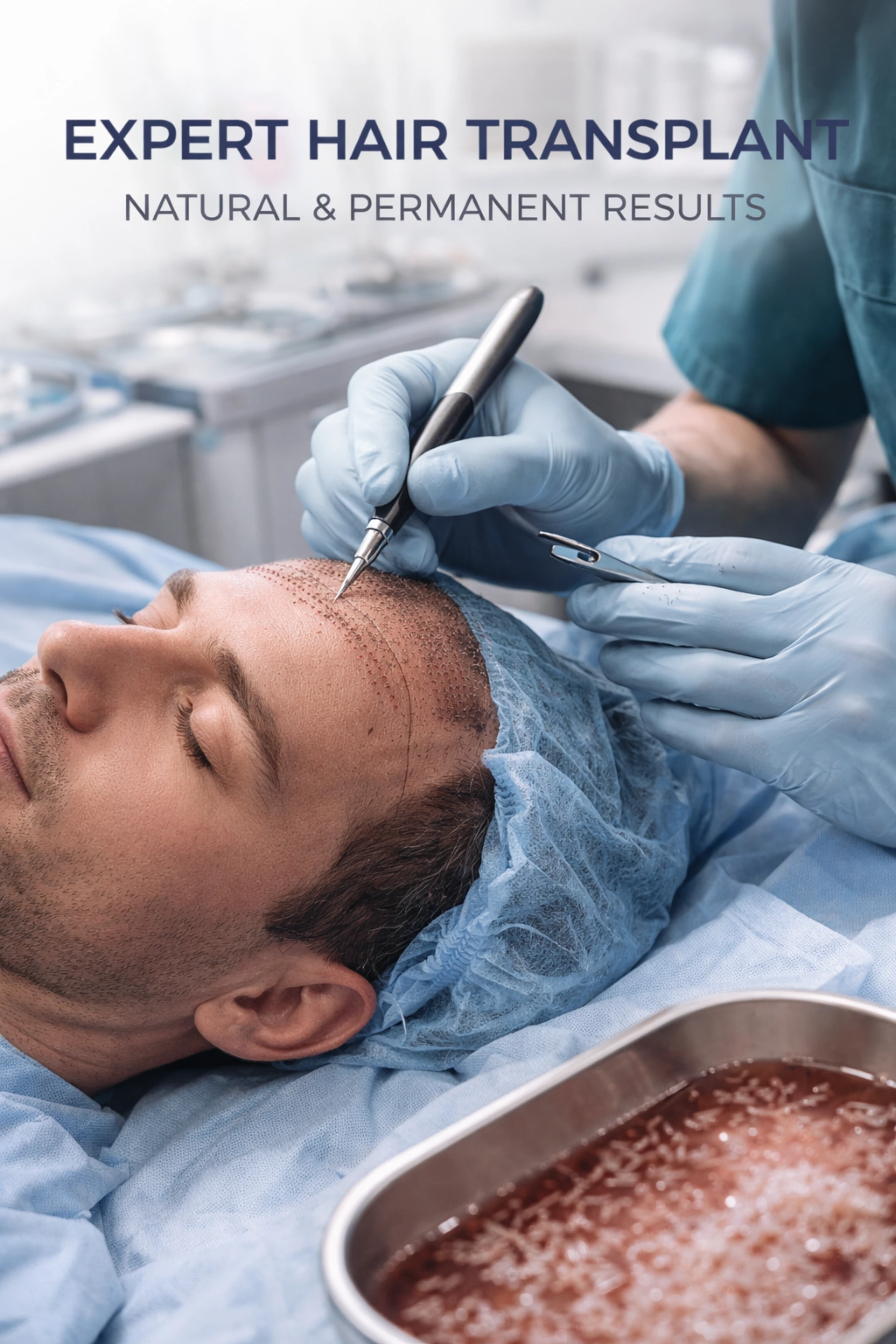
A hair transplant is a medical procedure in which hair follicles are carefully extracted from areas of the scalp that are resistant to hair loss (commonly the back or sides of the head) and transplanted into thinning or bald areas. The transplanted follicles retain their genetic resistance to hair loss, which makes the results long-lasting when performed correctly.
Modern hair transplant in Gurgaon focuses on precision, minimal trauma, and natural hairline design. The process is meticulously planned to ensure that transplanted hair grows in the correct direction, density, and angle, blending seamlessly with existing hair.
Who Is an Ideal Candidate for Hair Transplant in Gurgaon?
Not everyone experiencing hair loss is immediately suitable for a hair transplant. Ideal candidates typically include individuals with:
- Pattern baldness or localized thinning
- Stable donor hair density
- Realistic expectations about results
- Good overall scalp health
Age, extent of hair loss, donor area quality, and future hair loss patterns are all evaluated before recommending surgery. Ethical clinics prioritize patient suitability over aggressive treatment timelines.
Why Planning Matters More Than the Procedure Itself
One of the most overlooked aspects of hair transplant success is planning. A well-planned hair transplant considers not only current hair loss but also potential future thinning. Poor planning can result in unnatural density, uneven hairlines, or the need for corrective procedures later.
Reputed centers offering hair transplant in Gurgaon focus on long-term aesthetics rather than short-term visual improvement. Clinics like QHT Clinic Gurgaon emphasize conservative hairline design, balanced graft distribution, and preservation of donor hair for future needs.
Understanding the Hair Transplant Process Step by Step
The hair transplant journey typically involves:
- Detailed consultation and scalp analysis
- Hairline design and graft estimation
- Donor area preparation and follicle extraction
- Careful implantation of grafts
- Post-procedure care and follow-ups
The procedure is usually performed under local anesthesia and can take several hours depending on the number of grafts. Precision at every step directly affects the final outcome.
Recovery and Hair Growth Timeline
Hair transplant recovery is gradual and requires patience. Immediately after the procedure, mild swelling or redness may occur, which subsides within days. Transplanted hair typically sheds within the first few weeks—a normal and expected phase known as shock loss.
New hair growth usually begins after three to four months, with visible improvement by six months. Final results often become apparent between nine to twelve months as hair thickens and matures.
Importance of Aftercare and Long-Term Maintenance
Post-transplant care plays a critical role in determining success. Patients are advised to follow medical instructions regarding scalp hygiene, activity restrictions, and medications. Lifestyle factors such as stress management, balanced nutrition, and proper sleep also support long-term hair health.
While transplanted hair is permanent, native hair may continue to thin. This is why ongoing medical guidance and periodic evaluations are essential to maintain overall density and appearance.
FAQs
1. Is hair transplant in Gurgaon a permanent solution?
Yes, transplanted hair is typically permanent because it is taken from genetically stable donor areas.
2. Does a hair transplant look natural?
When performed with proper planning and technique, results appear completely natural.
3. Is the procedure painful?
The procedure is carried out under local anesthesia, making it largely comfortable.
4. How long does it take to see final results?
Final results usually take 9–12 months to fully develop.
5. Can women opt for hair transplant in Gurgaon?
Yes, selected female hair loss cases can benefit after proper evaluation.
Conclusion
A hair transplant is not just a cosmetic enhancement but a medical journey that requires thoughtful decision-making, expert execution, and long-term care. Choosing the right clinic, understanding the process, and maintaining realistic expectations are essential for achieving satisfying results. With growing expertise and advanced standards, hair transplant in Gurgaon offers patients access to safe, effective, and natural hair restoration solutions. Clinics such as QHT Clinic Gurgaon focus on ethical practices, patient education, and long-term outcomes, ensuring that individuals not only restore their hair but also regain confidence in a responsible and sustainable manner.