Modern vehicle engines are complex systems built to deliver performance, efficiency, and long service life. Every engine operates through controlled combustion, accurate fuel delivery, stable cooling, and reliable lubrication. When these systems remain balanced, engines perform smoothly across different driving conditions.
Engine health depends on more than mileage alone. Driving patterns, climate, fuel quality, and service accuracy all shape how an engine ages over time. Learning how these factors interact helps vehicle owners make informed maintenance decisions.
Engine Operation in Daily Driving
Each time a vehicle starts, the engine goes through rapid changes in temperature, pressure, and load. Cold starts, traffic congestion, highway driving, and extended idle time all influence internal components differently.
Urban driving places stress on cooling and lubrication systems due to frequent stops. Highway driving introduces sustained load and higher rotational speeds. Engines adapt to these conditions through electronic control units that manage ignition timing, fuel injection, and airflow in real time.
Stable operation depends on accurate sensor input and mechanical integrity.
Fuel Delivery and Combustion Control
Fuel delivery systems work with precise tolerances. Injectors spray fuel into the combustion chamber in exact quantities and patterns. Proper combustion produces smooth power and controlled heat release.
Fuel quality affects this balance. Clean fuel supports consistent ignition and stable pressure inside the cylinders. Variations in fuel composition influence combustion timing and engine response. Over time, irregular combustion can place pressure on internal components.
Maintaining fuel system cleanliness supports predictable engine behavior.
Lubrication and Internal Protection
Engine oil plays several roles at once. It reduces friction, transfers heat, and carries away contaminants. Oil must maintain proper viscosity to form a protective layer between moving parts.
In warm regions, oil degrades faster due to heat exposure. Regular oil checks and replacement help preserve internal surfaces such as bearings, camshafts, and timing components. Clean oil supports smooth engine operation and reduces long-term wear.
Cooling Systems and Temperature Balance
Cooling systems regulate engine temperature through coolant circulation and heat exchange. Radiators, hoses, thermostats, and fans work together to maintain stable operating conditions.
High ambient temperatures reduce the margin for error within cooling systems. Regular inspection of coolant quality and flow helps prevent overheating and thermal stress. Temperature stability remains one of the most important factors in engine longevity.
Diagnostic Evaluation and Data Analysis
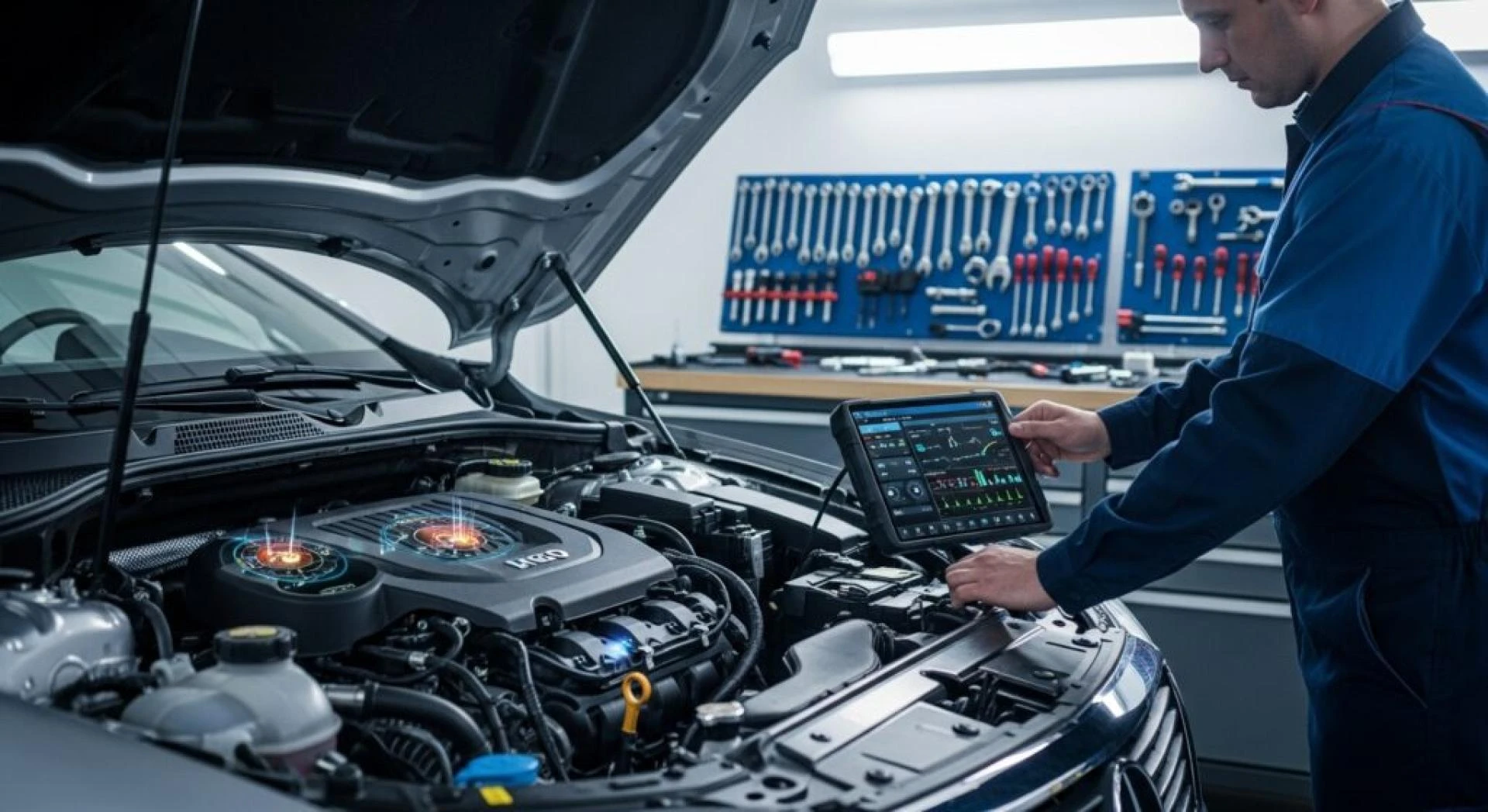
Modern engines generate operational data through onboard sensors. These sensors track airflow, pressure levels, exhaust output, and temperature changes. Diagnostic tools interpret this data to identify patterns outside normal ranges.
Data-based evaluation supports early detection of issues that may not produce immediate symptoms. Mechanical inspection follows diagnostic review to confirm findings. This structured approach improves repair accuracy and limits unnecessary component replacement.
Brand-Specific Engine Characteristics
Each manufacturer designs engines with unique priorities.
Audi engines rely on advanced fuel injection and turbocharged systems that demand precise calibration.
Mercedes engines focus on refined combustion balance and smooth output.
BMW engines emphasize rotational efficiency and responsive performance.
GMC engines often support torque output and load handling.
Bentley engines operate with high output and strict internal tolerances.
BMW Alpina engines combine performance tuning with controlled balance.
These design choices shape how engines respond to driving conditions and maintenance quality.
Preventive Maintenance and Engine Lifespan
Preventive maintenance supports engine health more effectively than reactive repair. Scheduled inspection of oil condition, cooling performance, fuel delivery, and sensor behavior helps identify early changes.
Engines that receive consistent care operate with stable output, controlled temperatures, and predictable response. Preventive service reduces the likelihood of sudden mechanical issues and supports long-term reliability.
Technical Service Environment
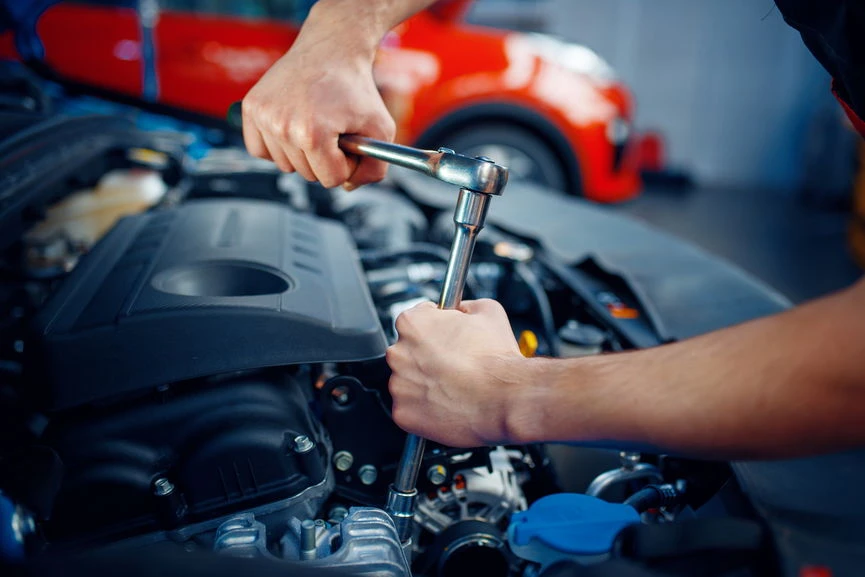
Engine service benefits from trained technicians, accurate diagnostic equipment, and controlled repair procedures. A professional car workshop Dubai environment supports detailed inspection and verification after service completion.
Resources shared by Best Garage Dubai reflect structured engine repair and maintenance practices aligned with modern vehicle systems and local driving conditions.
Closing Perspective
Engine health reflects a balance between engineering design and real-world use. Climate, driving habits, fuel quality, and service accuracy all influence how engines perform over time.
Understanding these factors allows vehicle owners to support reliability through informed maintenance choices. With accurate diagnostics and consistent care, modern engines continue to deliver dependable performance across demanding conditions.