Introduction
You've seen the before-and-after photos. You've heard friends rave about their "dental work" that looks completely natural. And now you're wondering if dental bonding could be the solution for that chipped tooth, that annoying gap, or those stains that whitening won't touch.
But here's what those Instagram-perfect smiles don't show you: the maintenance, the limitations, and the reality of what bonding can and cannot do. I've guided hundreds of patients through bonding decisions, and the ones who love their results long-term are the ones who understood exactly what they were getting into.
This isn't just another overview. This is the complete, unvarnished truth about dental bonding—from the molecular level of how it works to the yearly maintenance it demands. By the end, you'll know whether bonding deserves your investment or if you're better served by alternatives you haven't considered yet.
What Dental Bonding Actually Is (Beyond the Marketing)
The Material Science
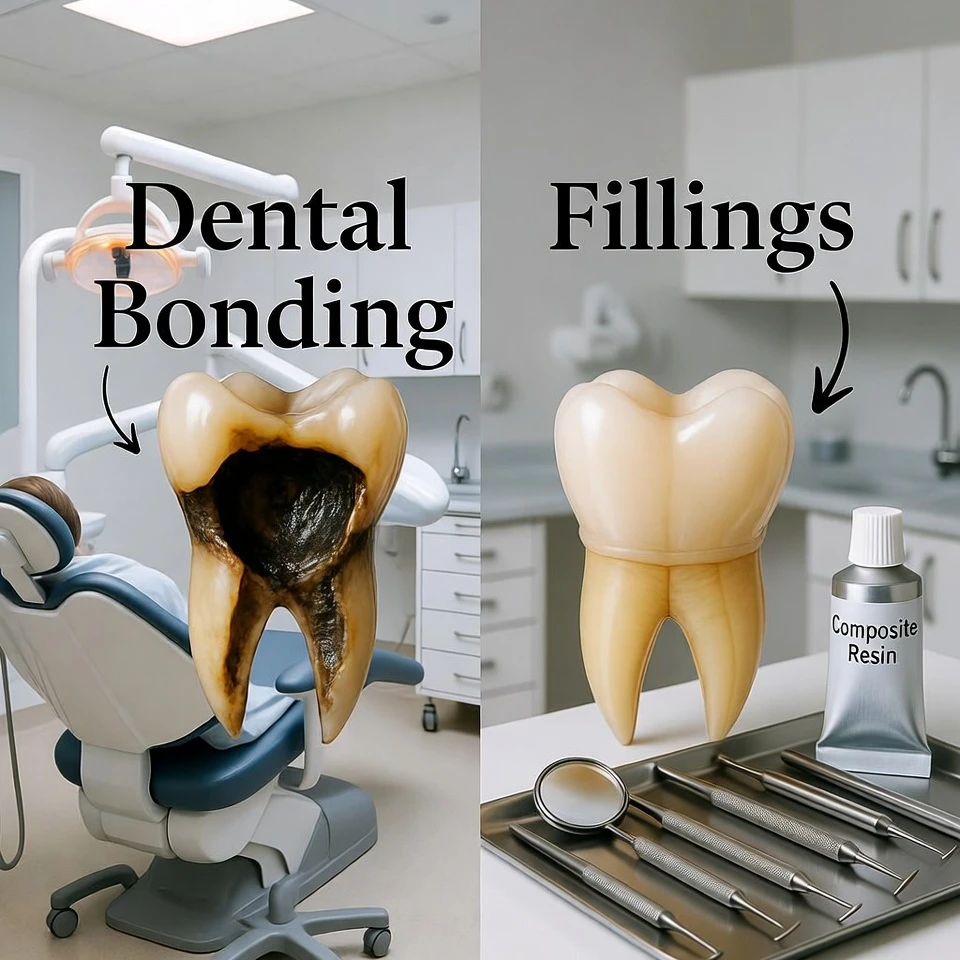
Dental bonding uses composite resin—a blend of plastic (dimethacrylate) and glass (silica) particles. This mixture starts as a putty-like material that your dentist sculpts onto your tooth. A curing light then triggers a chemical reaction (polymerization) that hardens the resin into a durable solid.
The Adhesion Magic
Here's what makes bonding special: it sticks directly to your tooth without mechanical retention. We etch the enamel with mild acid, creating microscopic pores. A bonding agent flows into these pores and hardens, creating millions of tiny "anchors." The composite then bonds to this layer. It's genuinely adhesive dentistry no drilling required for many procedures. To learn more about these treatments, you can visit Indental Castle Hill for professional dental care.
Why It's Called "Bonding"
The name refers to this adhesive process, not just the material. We're literally bonding new material to old tooth structure.
The Ideal Candidates: Who Benefits Most
Perfect Scenarios for Bonding
- Minor chips on anterior teeth: When less than 25% of the tooth is affected
- Small gaps (diastemas): Especially between front teeth, under 2mm wide
- Exposed root surfaces: Covering recession-related sensitivity
- Shape alterations: Lengthening worn teeth, building up peg laterals
- Color masking: Covering intrinsic stains that bleaching can't fix
When Bonding Excels
The sweet spot is conservative cosmetic changes on teeth with healthy structure. Bonding preserves enamel, reverses easily, and delivers immediate results. For patients wanting to "test drive" a new smile before committing to veneers, bonding offers a preview.
Candidacy Assessment: Bonding vs. Alternatives
Table
ConcernBonding Suitable?Better AlternativeWhySmall chip on front toothYes—Conservative, aestheticLarge fracture (>50% of tooth)NoCrownInsufficient strengthWide gap (>3mm)MarginalOrthodonticsUnnatural proportionsSevere discolorationMarginalVeneersBetter mask, longevityMultiple teeth, full smilePossibleVeneersCoordinated aestheticsGrinding/clenching habitsNoNight guard + crownWill destroy bondingVery dark underlying toothNoCrownCan't mask darkness
The Procedure: Step-by-Step Reality
Consultation and Shade Selection
We don't just pick one color. We match:
- Hue: Basic color (yellow, gray, brown undertones)
- Chroma: Color intensity
- Value: Lightness/darkness
- Translucency: How much light passes through
Professional shade guides have 20+ variations. We also photograph teeth in different lighting to confirm matches.
Surface Preparation
Unlike fillings, bonding requires minimal preparation. We:
- Clean the tooth thoroughly
- Apply etching gel (37% phosphoric acid) for 15-30 seconds
- Rinse and dry (tooth appears chalky white)
- Apply bonding agent (liquid resin)
- Light cure the bonding agent
Application and Sculpting
This is where artistry happens. We apply composite in layers:
- Dentin layers: Build body and warmth
- Enamel layers: Create translucency
- Final contouring: Shape anatomy with specialized instruments
Each layer gets cured with high-intensity light (typically 480nm wavelength) for 20-40 seconds.
Finishing and Polishing
The difference between good and great bonding happens here. We use:
- Finishing burs to establish anatomy
- Sandpaper discs to smooth transitions
- Rubber cups with polishing paste for final luster
- Sometimes diamond polishing paste for ultimate shine
Longevity: The Honest Timeline
Average Lifespan Expectations
With excellent care: 5-7 years
With average care: 3-5 years
With poor habits: 1-3 years
These aren't manufacturer defects—they're reality. Bonding faces challenges natural teeth don't.
Why Bonding Fails
- Staining: Surface porosity absorbs pigments
- Chipping: Material is softer than enamel
- Debonding: Adhesive failure at the margin
- Wear: Gradual loss of surface material
- Recurrent decay: Leakage at margins over time
Maximizing Longevity
- Night guards: Essential for grinders
- Avoid biting: Ice, pens, fingernails, hard candies
- Polishing schedule: Professional polish every 6 months
- Stain prevention: Rinse after coffee/wine, use straws
- Regular checkups: Catch margin breakdown early
Cost Analysis: Short and Long Term
Table
FactorBondingVeneersCrownsInitial cost per tooth$300-$600$900-$2,500$1,000-$3,000Lifespan5-7 years10-15 years15-20 yearsReplacement frequency2-3 times over 20 years1-2 times1 time (usually)20-year total cost$900-$1,800$1,800-$5,000$1,000-$3,000Tooth structure lossMinimalModerate (enamel)SignificantReversibilityYesNoNoRepairabilityEasyDifficultReplace only
Maintenance: The Commitment Required
Daily Home Care
- Non-abrasive toothpaste (avoid whitening formulas)
- Soft-bristle brush, gentle technique
- Floss carefully—don't snap down on bonded edges
- Antiseptic mouthwash without alcohol
Professional Maintenance
Every 6 months: Professional cleaning with polishing
Every 12 months: Dedicated bonding polish and inspection
As needed: Repair of small chips or margin touch-ups
Dietary Considerations
Bonding stains more easily than natural teeth. Consider limiting:
- Coffee, tea, red wine
- Curry, tomato sauce, soy sauce
- Berries, dark juices
- Tobacco products entirely
Advantages: Why Patients Choose Bonding
Conservation of Tooth Structure
Unlike veneers or crowns, bonding preserves your natural enamel. This matters for long-term tooth health and future treatment options.
Reversibility
Don't like it? We can remove it. Your tooth underneath remains unchanged. This "trial smile" aspect appeals to commitment-phobes.
Immediate Results
Walk in with a chip, walk out with a perfect tooth. No lab work, no temporaries, no waiting weeks.
Cost Accessibility
Bonding provides aesthetic improvement at a fraction of veneer costs. For many patients, it's the difference between fixing their smile now versus waiting years.
Repairability
When bonding chips, we add more composite. When veneers chip, replacement is often the only option.
Disadvantages: The Full Disclosure
Stain Susceptibility
We've covered this, but it bears repeating: bonding will discolor faster than your natural teeth. Maintenance is non-negotiable.
Durability Limitations
Bonding can't withstand the forces that crowns or even natural enamel handle. If you're hard on your teeth, bonding frustrates you.
Aesthetic Ceiling
While excellent bonding looks natural, it doesn't achieve the glass-like perfection of porcelain. There's a reason celebrities choose veneers for red-carpet smiles.
Long-Term Cost
That "cheap" bonding gets expensive when replaced three times over twenty years. Sometimes investing more upfront saves money.
Common Questions Answered
"Does bonding hurt?"
Rarely. Most bonding requires no anesthesia since we're not removing tooth structure. Some patients prefer numbing for sensitive teeth or extensive work.
"Can I whiten bonded teeth?"
No. Composite doesn't respond to bleaching agents. Whiten first, match bonding to the lighter shade, then maintain.
"Will bonding fix my crooked teeth?"
It can mask minor rotations or misalignments, but it's not orthodontics. Sometimes bonding makes crooked teeth look "thick" or unnatural.
"How do I know if my bonding is failing?"
Look for: color changes, rough edges, visible margins, sensitivity, or visible cracks. Regular dental visits catch issues before you notice them.
Conclusion
Dental bonding offers remarkable benefits: conservation, reversibility, immediacy, and affordability. But these come with trade-offs in durability and maintenance demands.
The question isn't "Is bonding good?"—it's "Is bonding right for you?" If you have minor cosmetic concerns, reasonable habits, and commitment to maintenance, bonding delivers beautiful results. If you grind your teeth, want perfection, or seek permanence, alternatives serve you better.