
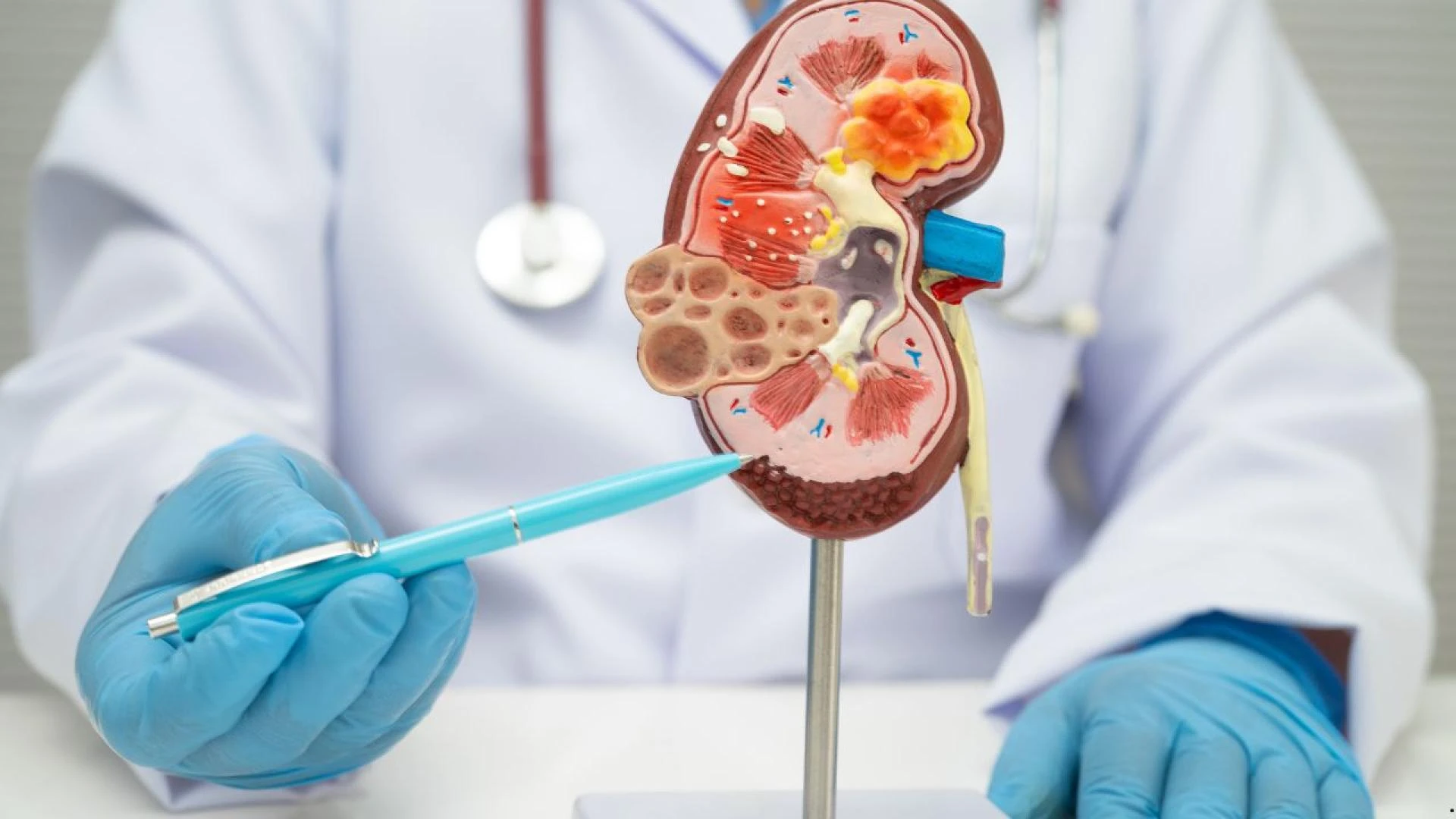
Chronic Kidney Disease (CKD) is a long-term condition where the kidneys gradually lose their ability to function properly. Kidneys play a vital role in removing waste and extra fluids from the body. When they are damaged, harmful substances can build up in the blood.
CKD is common worldwide and often develops slowly over time. Early detection and proper management are key to slowing its progression and maintaining quality of life.
What is Chronic Kidney Disease?
Chronic Kidney Disease occurs when kidney function declines over months or years. Unlike sudden kidney injury, CKD develops gradually.
- Kidneys filter waste from blood and regulate fluids and electrolytes.
- CKD can affect these vital processes, leading to fatigue, swelling, and other symptoms.
- In severe cases, dialysis or kidney transplant may be required.
CKD often shows no symptoms in its early stages, which is why regular check-ups are important.
Causes of Chronic Kidney Disease
Several factors can increase the risk of developing CKD. These include:
- Diabetes – High blood sugar can damage kidneys over time.
- High blood pressure – Hypertension puts extra strain on kidney blood vessels.
- Glomerulonephritis – Inflammation of the kidney filters.
- Polycystic kidney disease – A genetic disorder causing cysts in the kidneys.
- Prolonged use of certain medications – Painkillers and anti-inflammatory drugs can harm kidneys if overused.
Lifestyle choices, age, and family history also play a role. Identifying risk factors early allows for preventive measures.
Symptoms to Watch For
CKD often progresses silently. However, some signs may appear as kidney function declines:
- Fatigue and weakness
- Swelling in legs, ankles, or around the eyes
- Changes in urination frequency or color
- Nausea or vomiting
- Loss of appetite or difficulty concentrating
If you notice these symptoms, it is essential to consult a healthcare professional promptly. Liv Hospital offers comprehensive kidney care and expert consultation for early detection.
Stages of Chronic Kidney Disease
CKD is classified into five stages, based on how well the kidneys are functioning:
- Stage 1 – Mild kidney damage with normal function.
- Stage 2 – Mild decrease in function.
- Stage 3 – Moderate decrease; symptoms may become noticeable.
- Stage 4 – Severe decrease; preparation for dialysis or transplant may begin.
- Stage 5 – Kidney failure; dialysis or kidney transplant is usually necessary.
Knowing your stage helps doctors recommend the best treatment plan and lifestyle adjustments.
Treatment and Management
While CKD cannot always be cured, proper treatment can slow progression and prevent complications.
Common approaches include:
- Medication – To control blood pressure, diabetes, and cholesterol.
- Dietary changes – Limiting salt, protein, and potassium intake.
- Regular exercise – Helps maintain overall health and blood pressure.
- Monitoring kidney function – Regular blood and urine tests.
- Dialysis or transplant – For advanced stages when kidneys fail.
A healthcare team can create a personalized care plan that fits individual needs. For detailed guidance, you can learn more about Chronic Kidney Disease through Liv Hospital’s nephrology department.
Lifestyle Tips for Kidney Health
In addition to medical treatment, healthy habits can support kidney function:
- Stay hydrated, but avoid excessive fluid intake if advised by your doctor.
- Avoid smoking and limit alcohol consumption.
- Maintain a healthy weight to reduce strain on kidneys.
- Control blood sugar and blood pressure through diet and regular check-ups.
These lifestyle steps are important for preventing further kidney damage and improving overall health.
When to Seek Medical Help
Early detection is critical. Routine tests can identify CKD before symptoms appear. Regular monitoring is especially important if you have diabetes, high blood pressure, or a family history of kidney disease.
Specialized centers like Liv Hospital provide advanced care, from early diagnosis to long-term treatment, ensuring patients receive the best medical support.
Final Thoughts
Chronic Kidney Disease is a serious condition, but with early detection, proper care, and healthy lifestyle choices, patients can maintain a better quality of life. Awareness of symptoms, risk factors, and treatment options is key to managing CKD effectively.
For tips on improving your overall health and wellness alongside managing medical conditions, visit live and feel. This lifestyle platform provides helpful guidance for healthier, more balanced living.
This post is written in clear, human-friendly language, with short sentences, smooth transitions, and bullet points for easy reading. Anchor texts are included as requested: Liv Hospital, Chronic Kidney Disease, and live and feel.