
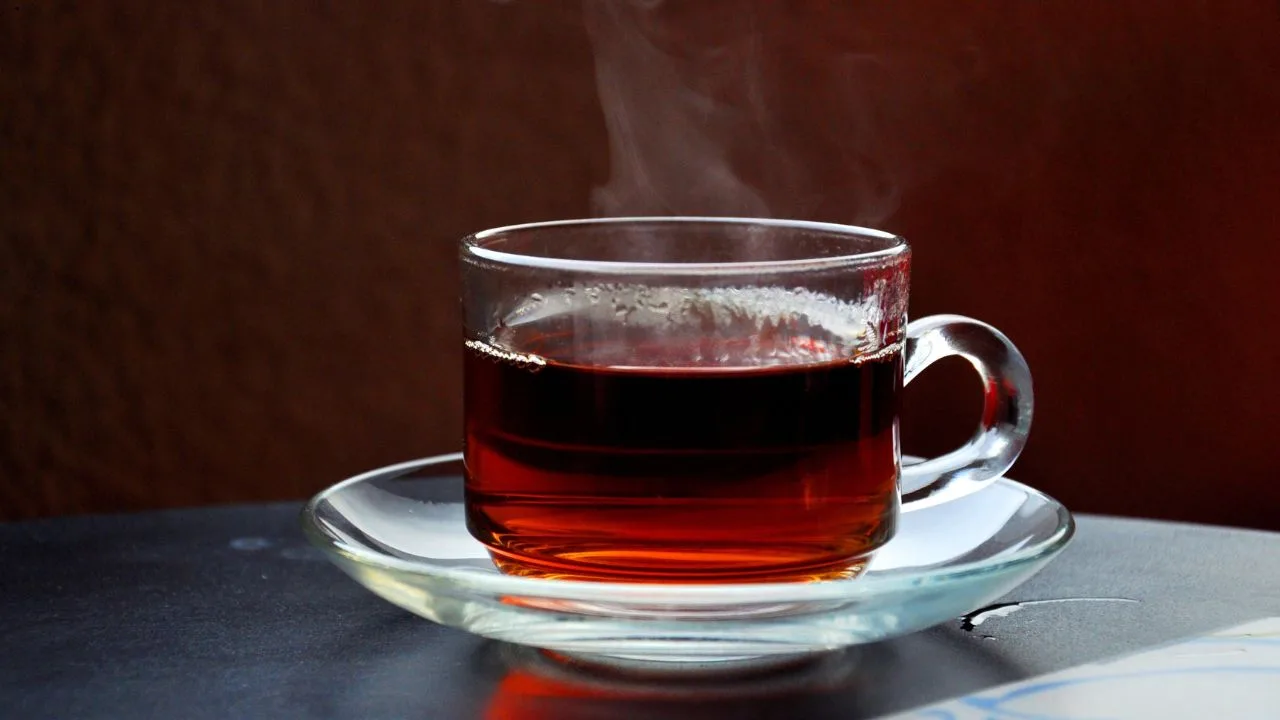
Walk down any tea aisle and you'll see the words "orange pekoe" on box after box. Many people assume it's an orange flavoured tea. It isn't. It's one of the most misunderstood terms in tea, and once you understand it, choosing a good Ceylon black tea becomes much easier.
What is Ceylon tea?
Ceylon tea is tea grown in Sri Lanka, which was known as Ceylon until 1972. The name stuck in the tea trade and is still used today for tea from the island. Sri Lanka's mix of climate, rainfall and elevation produces black teas known for being bright, brisk and aromatic, which is why Ceylon has long been a favourite for breakfast and afternoon tea.
Orange pekoe is a grade, not a flavour
Orange pekoe has nothing to do with oranges. It describes the leaf grade, a way of sorting tea by the size and type of leaf. Orange pekoe refers to whole young leaves, picked as the tips begin to open.
As for the name, a popular explanation is that "orange" refers to the Dutch Royal House of Orange-Nassau, while "pekoe" comes from a Chinese word describing the downy young buds of the tea bush. Tea historians still debate the exact origin, but the important point is simple: an orange pekoe tea contains black tea leaves and no orange.
The common grades explained
Grades vary between producers, but you'll most often see:
- OP (Orange Pekoe): whole, longer leaves. Usually a smoother, more nuanced cup.
- FOP (Flowery Orange Pekoe): whole leaves with a higher share of tips or buds.
- BOP (Broken Orange Pekoe): smaller, broken pieces of leaf. Brews faster and stronger, which is why it's common in breakfast blends.
- Fannings and dust: very fine particles, mostly used in standard tea bags.
A grade tells you about leaf size, not quality on its own. A well made BOP can be excellent. Still, whole leaf grades generally give more flavour over a second steep and a cleaner finish.
Single origin vs blends
Many supermarket black teas are blends from several countries. A single origin tea comes from one place, so you taste the character of that region. Melbourne based Yarra Valley Impex, for example, sells Lovers Leap orange pekoe black tea, a single origin loose leaf Ceylon tea in 250 g packs, along with Dragon Jade green tea.
How to brew orange pekoe
- Use about one teaspoon of loose leaf per cup.
- Pour over water just off the boil.
- Steep for three to five minutes. Shorter for a lighter cup, longer for a bolder one.
- Strain and enjoy plain, with milk, or with a slice of lemon.
For a warming variation, add a small piece of Ceylon cinnamon quill to the pot. Both come from Sri Lanka, and the cinnamon's sweetness rounds out the tea's briskness without masking it.
Black tea, herbal tea, or both?
Orange pekoe is a caffeinated black tea, which makes it perfect for the morning. Later in the day, many tea drinkers switch to a caffeine free herbal option. Hibiscus is one of the most popular. If you've been searching for hibiscus tea Australia wide, Yarra Valley Impex stocks pure hibiscus in both full petals and tea bags, so you can keep a black tea for the morning and a ruby red herbal for the evening in the same order.
Tips for buying Ceylon tea online
Buying tea online gives you access to grades and estates that rarely appear in supermarkets. Before you order, check:
- The grade (OP, FOP, BOP) so you know what leaf size you're getting.
- The origin, ideally stating Sri Lanka or Ceylon, and the estate or region if single origin.
- Loose leaf or bags, depending on how you brew.
- Storage. Keep tea in an airtight container, away from light, heat, moisture and strong smells.
To compare more styles before you settle on a favourite, browsing tea online is an easy way to explore.
Orange pekoe is a leaf grade, not a flavour. Look for whole leaf Ceylon tea from a named origin, brew it with near boiling water for a few minutes, and you'll taste why Sri Lankan black tea has been a household staple for generations.