
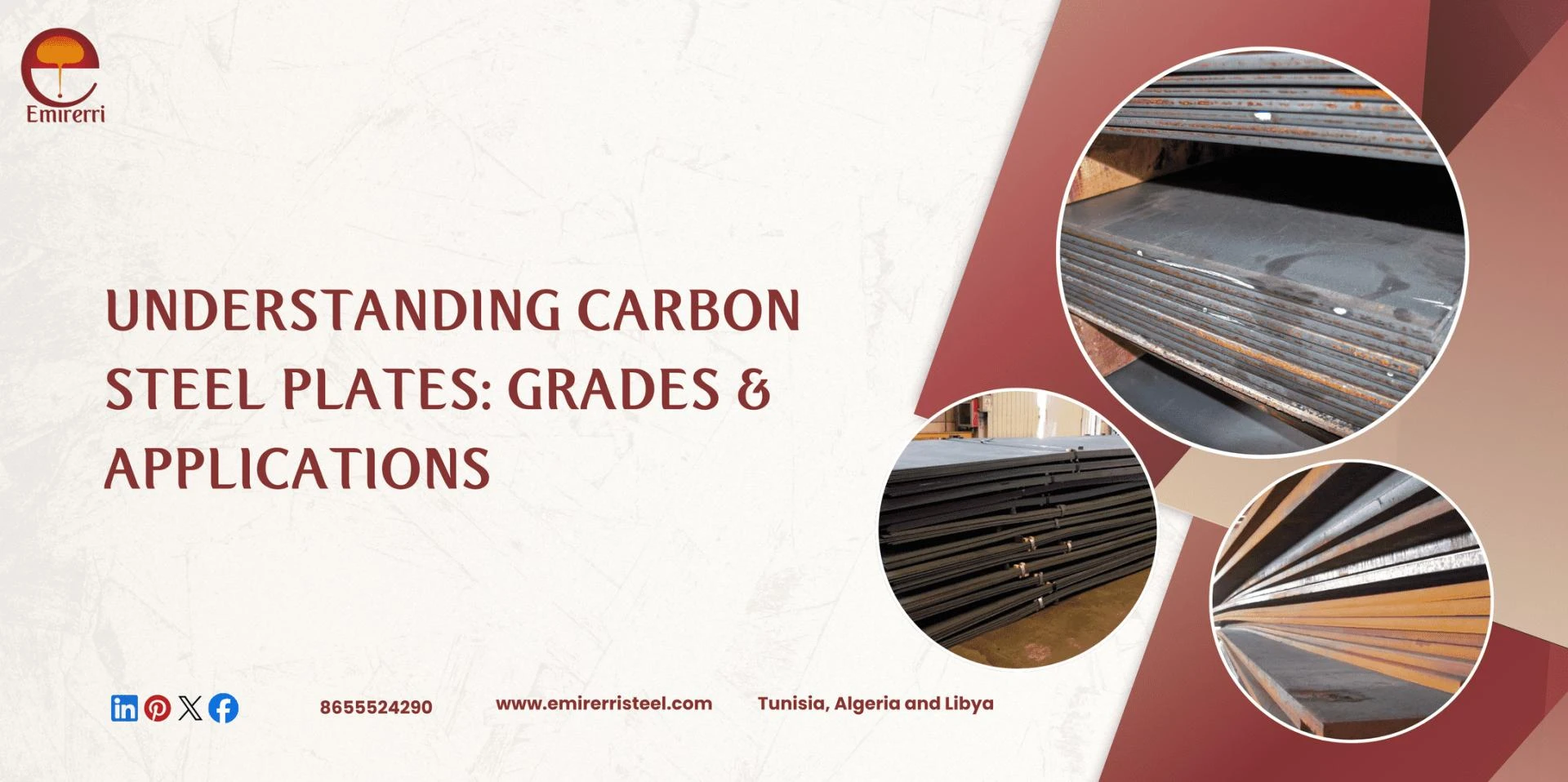
Carbon steel plates are essential components in various industrial sectors, offering exceptional strength, versatility, and cost-efficiency. These plates are manufactured in a wide range of grades to meet the diverse demands of industries such as construction, shipbuilding, pressure vessel manufacturing, oil and gas, and heavy equipment fabrication.
As global demand for robust and durable materials continues to rise, working with reliable carbon steel plate suppliers becomes increasingly critical. This guide provides an overview of key carbon steel plate grades, their applications, and what to look for when selecting a carbon steel plate manufacturer.
What Is a Carbon Steel Plate?
A carbon steel plate is a flat-rolled steel product with carbon as the main alloying element. Depending on the carbon content—low, medium, or high—the plate’s mechanical properties vary in terms of hardness, strength, ductility, and weldability.
Carbon steel plates are favored for their strength-to-weight ratio, affordability, and broad usability. From structural frameworks and bridges to boilers and storage tanks, carbon steel remains one of the most widely utilized metals in the world.
Key Grades of Carbon Steel Plate
The performance of a carbon steel plate in a given application largely depends on its grade. Below are the most widely used grades that conform to ASTM standards:
1. ASTM A36 Plate
ASTM A36 steel plate is one of the most commonly used carbon steel plates. It is known for its excellent weldability, moderate strength, and good formability, making it ideal for structural applications.
- Typical Uses: Construction beams, platforms, bridge components, and machinery parts
- Advantages: Easy to machine, weld, and fabricate
- Industry Reference: A36 carbon steel plate
2. ASTM A283
The ASTM A283 specification includes low and intermediate tensile strength carbon steel plates, particularly Grades A, B, C, and D. These are often chosen for general-purpose fabrication in environments with less critical mechanical requirements.
- Applications: Storage tanks, base plates, structural supports
- Benefits: Economical and easy to process
3. ASTM A516
ASTM A516 steel plate is designed for use in pressure vessels and boilers operating in moderate to low temperatures. It comes in Grades 55, 60, 65, and 70, with Grade 70 being the most widely used due to its strength and notch toughness.
- Applications: Pressure vessels, heat exchangers, reactors, and process tanks
- Features: Superior strength, resistance to brittle fracture
- Common Product: ASTM A516 Grade 70
High Carbon Steel Plate
A high carbon steel plate contains a higher percentage of carbon (typically above 0.6%), offering significantly increased hardness and tensile strength. However, this comes at the cost of reduced ductility and weldability.
- Applications: Wear plates, cutting tools, heavy-duty industrial equipment
- Characteristics: High abrasion resistance, strong under heavy stress
Due to their robust properties, high carbon steel plates are typically used in applications where mechanical wear is a concern.
Advantages of Carbon Plate Steel Products
Carbon plate steel products deliver a range of benefits:
- Strength and Durability: Suitable for structural and load-bearing applications
- Cost-Effective: Less expensive than stainless or alloy steel alternatives
- Workability: Can be cut, welded, and formed easily in most grades
- Availability: Offered in standard and customized sizes by leading carbon steel plate suppliers
Selecting a Trusted Carbon Steel Plate Manufacturer
Partnering with a reputable carbon steel plate manufacturer ensures consistent quality, compliance with international standards, and timely delivery. Reputable carbon steel plate suppliers typically provide:
- A comprehensive inventory of standard grades such as ASTM A36, ASTM A283, and ASTM A516
- Custom thicknesses and dimensions to suit specific project needs
- Certified mill test reports (MTRs) and traceability documentation
- Quality control processes, including ultrasonic and impact testing
- Global shipping capabilities and competitive pricing
By working with experienced suppliers, customers can streamline procurement, minimize risk, and ensure optimal material performance.
Industries and Applications
Carbon steel plates are a cornerstone in numerous industries:
- Construction: Structural components, commercial buildings, infrastructure projects
- Oil & Gas: Offshore platforms, storage tanks, pressure piping
- Shipbuilding: Hulls, decks, and frames
- Power Generation: Boilers, turbines, heat exchangers
- Mining & Heavy Equipment: Wear-resistant plates and high-load bearing components
The material’s adaptability across different operating conditions—from ambient to high-pressure and low-temperature environments—makes it indispensable in industrial operations.
Conclusion
Carbon steel plate remains a preferred material for critical infrastructure and industrial projects due to its mechanical strength, versatility, and economic value. Understanding the distinctions between grades such as ASTM A36, ASTM A283, and ASTM A516 is essential for choosing the right material for the job.
Sourcing from established carbon steel plate suppliers ensures not only product quality but also compliance with international specifications. Whether you require a standard ASTM A36 steel plate or a robust high carbon steel plate, choosing the right supplier is key to project success.
Emirerri Steel offers a wide range of carbon steel plate solutions with an emphasis on quality, precision, and customer service. For inquiries or technical assistance, connect with our team today and discover why we are a trusted name among carbon steel plate manufacturers worldwide.