
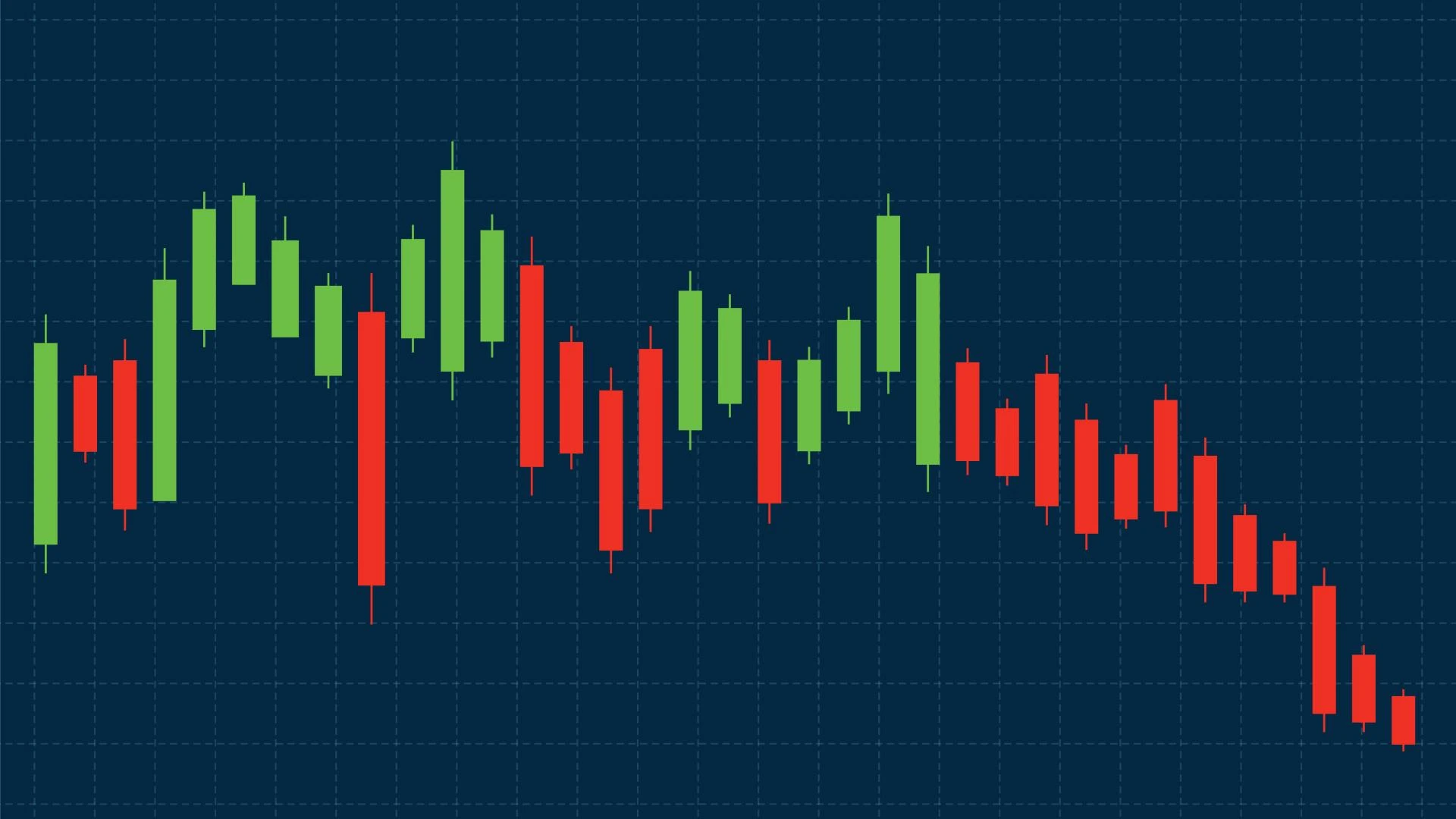
Candlestick patterns are one of the most important tools used in technical analysis. They help traders read price movements and predict possible market directions. Each candlestick shows four key points — the opening, closing, high, and low prices within a specific time period. When viewed together, these candles form patterns that reveal market psychology — whether buyers or sellers are in control.
What Are Candlestick Patterns?
A candlestick pattern is a visual representation of price action. It helps traders understand whether the market sentiment is bullish (buyers dominating) or bearish (sellers dominating). By learning how to read these patterns, traders can identify potential reversals or continuations in price trends.
Candlestick patterns are broadly divided into two types: bullish patterns, which suggest prices might rise, and bearish patterns, which indicate a possible decline.
Common Types of Candlestick Patterns
1. Doji
A Doji forms when the opening and closing prices are almost the same. It shows indecision in the market — neither buyers nor sellers are winning. A Doji often appears before a trend reversal, signaling that the current trend may be losing strength.
2. Hammer
The Hammer is a bullish reversal pattern that usually appears after a downtrend. It has a small body and a long lower shadow, showing that sellers pushed prices down but buyers managed to pull them back up. This hints that buying pressure might be returning.
3. Shooting Star
This pattern looks like an upside-down hammer and forms after an uptrend. It has a small body and a long upper shadow, suggesting that buyers tried to push prices higher but couldn’t hold, allowing sellers to take control. It’s a warning of a potential downward move.
4. Bullish Engulfing
A Bullish Engulfing pattern appears when a small red candle is followed by a large green candle that completely covers it. This indicates strong buying interest and a possible shift from a downtrend to an uptrend.
5. Bearish Engulfing
This is the opposite of the bullish version. A small green candle is followed by a larger red candle that engulfs it. It shows that sellers have overpowered buyers and that a downtrend might begin soon.
6. Morning Star
The Morning Star is a three-candle bullish pattern. It starts with a large red candle, followed by a small indecisive candle (like a Doji), and ends with a big green candle. This pattern signals a potential bottom and a shift toward bullish momentum.
7. Evening Star
This is the bearish counterpart of the Morning Star. It begins with a big green candle, followed by a small one, and ends with a large red candle. It suggests that the uptrend may be coming to an end.
Final Thoughts
Candlestick patterns are like the language of the market, they tell stories of fear, greed, and indecision. Learning to read them helps traders make smarter and more confident decisions. However, these patterns work best when combined with other tools like trend lines, moving averages, and volume analysis. No single pattern guarantees profit, but with patience and practice, candlestick analysis can become a powerful part of your trading strategy.