In the last decade, blockchain has emerged as one of the most transformative technologies in the digital world. Originally introduced as the underlying system for cryptocurrencies, blockchain has evolved into a powerful infrastructure capable of improving transparency, security, and efficiency across many industries. From finance and supply chains to healthcare and digital identity, blockchain is gradually redefining how data and transactions are managed online.
What Is Blockchain?
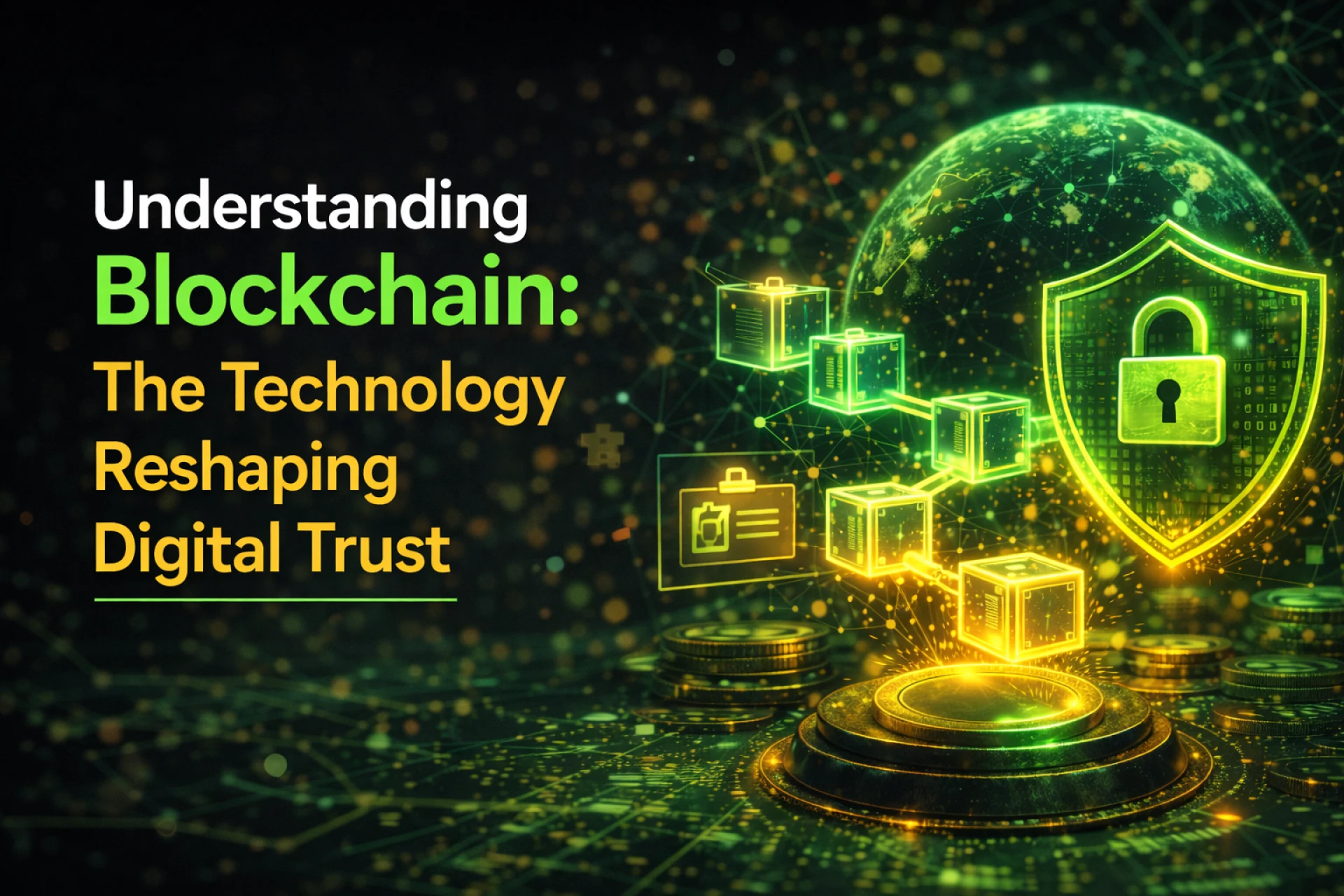
At its core, blockchain is a decentralized digital ledger that records transactions across a distributed network of computers. Instead of relying on a central authority or single database, blockchain systems store information across multiple nodes. Each transaction is grouped into a block, and once verified, that block becomes part of a permanent chain of data.
The key advantage of this structure is immutability. Once information is added to the blockchain, it becomes extremely difficult to alter. Every block contains a cryptographic hash of the previous block, creating a secure chain that prevents tampering or manipulation. This design builds trust in environments where participants may not know or fully trust one another.
How Blockchain Works
Blockchain networks operate through a process that ensures data integrity and consensus among participants. When a new transaction occurs, it is broadcast to the network. Specialized participants, often referred to as validators or miners depending on the system, verify the transaction using predefined rules.
After verification, the transaction is grouped with others into a block. Once the network agrees that the block is valid, it is added to the existing chain of blocks. The updated ledger is then distributed across all participating nodes, ensuring every copy of the database remains synchronized.
This decentralized validation process eliminates the need for intermediaries such as banks, clearinghouses, or centralized authorities. As a result, transactions can be faster, more transparent, and often less expensive.
Why Blockchain Matters
One of the primary benefits of blockchain technology is trust. Traditional digital systems often rely on centralized institutions to confirm transactions and maintain records. While these systems work effectively in many cases, they also introduce vulnerabilities such as data breaches, corruption, or operational failures.
Blockchain addresses these challenges by distributing control across many participants rather than concentrating power in a single entity. Because every participant can verify the integrity of the data, the system becomes more resilient and transparent.
Another important feature is transparency. In many blockchain systems, transaction histories are visible to participants, allowing for easier auditing and accountability. This can be particularly valuable in sectors such as supply chain management, where tracking the movement of goods and verifying authenticity are critical.
Expanding Beyond Cryptocurrency
While blockchain first gained attention through cryptocurrencies like Bitcoin, its potential applications extend far beyond digital currency. Today, organizations are exploring blockchain solutions in numerous fields.
In supply chain management, blockchain can track products from origin to destination, reducing fraud and improving efficiency. In healthcare, the technology can help secure patient records and allow different providers to access verified medical information without compromising privacy.
Financial institutions are also exploring blockchain for cross-border payments and settlement systems. By removing intermediaries and automating verification processes, blockchain-based solutions have the potential to significantly reduce transaction costs and settlement times.
Governments and public institutions are also experimenting with blockchain-based identity systems and voting mechanisms. These systems aim to increase transparency while protecting user data and ensuring security.
Privacy and Emerging Innovations
As blockchain technology continues to evolve, developers are working to address one of its early limitations: privacy. While public blockchains offer transparency and accountability, they can also expose transaction details that users or organizations may prefer to keep confidential.
To solve this challenge, many next-generation blockchain platforms are focusing on privacy-enhancing infrastructure and advanced verification mechanisms. These innovations allow networks to maintain trust and validation while reducing the exposure of sensitive information.
A growing example of this direction is the development of privacy-focused Layer-1 blockchain ecosystems designed to support secure computation, scalable decentralized applications, and improved data protection. These networks aim to create an environment where transactions can be validated across the blockchain without compromising the confidentiality of user data.
For readers interested in understanding the underlying technology that supports these systems, this detailed guide on Zero Knowledge Proofs explains the project, concepts, and practical applications behind privacy-preserving verification in modern blockchain networks.
Innovations like these are helping blockchain infrastructure evolve beyond simple transaction ledgers, enabling platforms to balance transparency, security, and privacy, an essential step for broader adoption across industries that rely on strong data protection and trustworthy digital systems.
Challenges and Future Outlook
Despite its potential, blockchain technology still faces several challenges. Scalability remains one of the most widely discussed issues, as some networks struggle to process large volumes of transactions quickly. Energy consumption has also been a concern in certain blockchain systems that rely on energy-intensive consensus mechanisms.
However, researchers and developers are actively working on solutions, including new consensus algorithms, layer-two scaling technologies, and more energy-efficient network designs.
As innovation continues, blockchain is expected to play a growing role in the global digital infrastructure. Businesses, governments, and technology leaders are increasingly recognizing its ability to create transparent, secure, and decentralized systems.
Conclusion
Blockchain represents a fundamental shift in how digital information is stored, verified, and shared. By replacing centralized control with distributed consensus, the technology introduces a new model of trust in the digital age. While challenges remain, ongoing innovation is steadily improving performance, privacy, and scalability.
As industries continue to explore practical use cases, blockchain’s role in shaping the future of digital systems will likely expand. Whether through financial innovation, secure data sharing, or advanced cryptographic tools, blockchain is laying the foundation for a more transparent and resilient digital economy.