In today’s fast-moving financial world, convenience sometimes comes at a cost. One such example is the use of blank cheques. You might have come across the term or even issued one, trusting the recipient completely. But how safe is it really? Let’s break it down.
What is a Blank Cheque?
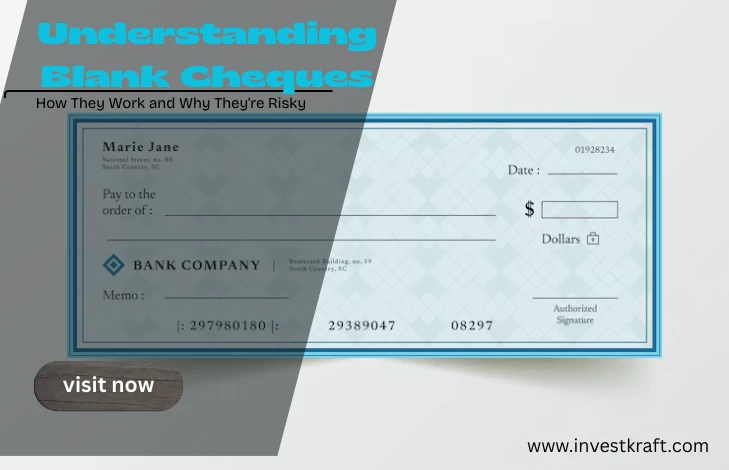
A blank cheque is a signed cheque in which the amount and/or payee details are left empty. The issuer signs the cheque but leaves the rest to be filled out later by the recipient. It’s often issued when:
- The final payment amount is unknown at the time.
- The issuer trusts the recipient completely.
- It's used as a form of guarantee or security.
While this might sound simple and practical, a blank cheque comes with significant risks and legal consequences.
Risks of Issuing a Blank Cheque
- Misuse or Fraud:
- The most common risk is unauthorized filling of the cheque. The recipient could fill in an amount far higher than agreed.
- Cheque Bounce:
- If the filled amount exceeds your balance or is deposited without your knowledge, it can bounce—leading to legal action under Section 138 of the Negotiable Instruments Act.
- Financial Liability:
- You may be held fully responsible for whatever amount the cheque gets filled for, especially if it’s legally enforceable.
- Trust Can Backfire:
- Even if you trust the other party, misunderstandings or malintent can lead to unexpected losses.
Legal Aspects of a Blank Cheque in India
Is it illegal?
No. Issuing a blank cheque is not illegal, but it's risky.
What happens if it bounces?
It can lead to criminal proceedings under Section 138 of the Negotiable Instruments Act, 1881. The court considers the cheque as valid once signed, even if other fields are blank.
Can I be protected?
Your protection depends on:
- Proof of agreement (written communication is a plus)
- Intention behind issuance
- Proper legal representation if misused
Tips to Avoid Blank Cheque Risks
- Never issue one unless absolutely necessary.
- If you must, ensure there’s a clear written agreement.
- Prefer using post-dated cheques or bank guarantees as safer options.
- Monitor your bank account regularly for unauthorized withdrawals.
- Always keep a record of cheque numbers and to whom they are issued.
read more