
Introduction
Rotating machinery is used throughout manufacturing and industrial operations, where consistent performance is essential for maintaining productivity. Bearings help support moving shafts, reduce friction, and ensure that mechanical components function smoothly. However, when bearings deteriorate earlier than expected, equipment efficiency can decline and maintenance requirements may increase.
The condition of a bearing depends on several factors, including how the machine is operated, the loads it carries, the surrounding environment, and the maintenance it receives. Paying attention to these factors can help industries improve equipment reliability and avoid unnecessary mechanical interruptions.
How Operating Conditions Affect Bearing Performance
Bearings are designed to work under specific mechanical conditions. Continuous overloads, sudden force, excessive speed, and shaft misalignment can place additional pressure on internal bearing components. Over time, these conditions may lead to surface damage, increased friction, and reduced operating efficiency.
Industrial environments can introduce additional challenges, particularly when machinery is exposed to dust, moisture, chemicals, or changing temperatures. These conditions may affect lubrication, protective seals, and the internal surfaces of the bearing, making suitable operating practices important for long-term performance.
Maintaining Suitable Lubrication
Lubrication helps protect bearing surfaces by reducing friction and supporting smooth movement between rolling elements and raceways. Selecting the correct grease or oil is important because lubricant requirements vary depending on the bearing design, machine speed, temperature, and operating environment.
Lubrication should be carried out according to the equipment's requirements. Incorrect quantities, unsuitable lubricants, or irregular replenishment may affect bearing performance. Routine checks can help ensure that lubrication conditions remain appropriate throughout machinery operation.
Installation Quality and Mechanical Alignment
The mounting process can have a lasting impact on bearing performance. Improper fitting, incorrect installation methods, excessive mounting force, or misalignment may create stress within the bearing and contribute to premature deterioration.
Using appropriate installation tools, maintaining cleanliness, checking shaft and housing dimensions, and following correct mounting procedures can help reduce installation-related problems. Accurate alignment also helps distribute operating forces more evenly and supports smoother machine movement.
Detecting Mechanical Issues Through Inspection
Monitoring equipment condition is an important part of industrial maintenance. Bearings may show signs of developing problems through unusual sounds, increased vibration, elevated temperatures, or changes in machine operation.
Regular inspections and condition-monitoring practices help maintenance personnel identify abnormalities before they result in major equipment damage. Addressing warning signs at an early stage can reduce repair requirements and help prevent unplanned production interruptions.
Selecting Bearings According to Application Requirements
Different industrial applications require bearings with varying load capacities, speed capabilities, dimensions, and operating characteristics. Selecting a bearing without considering the actual machinery requirements may result in poor performance or repeated replacement.
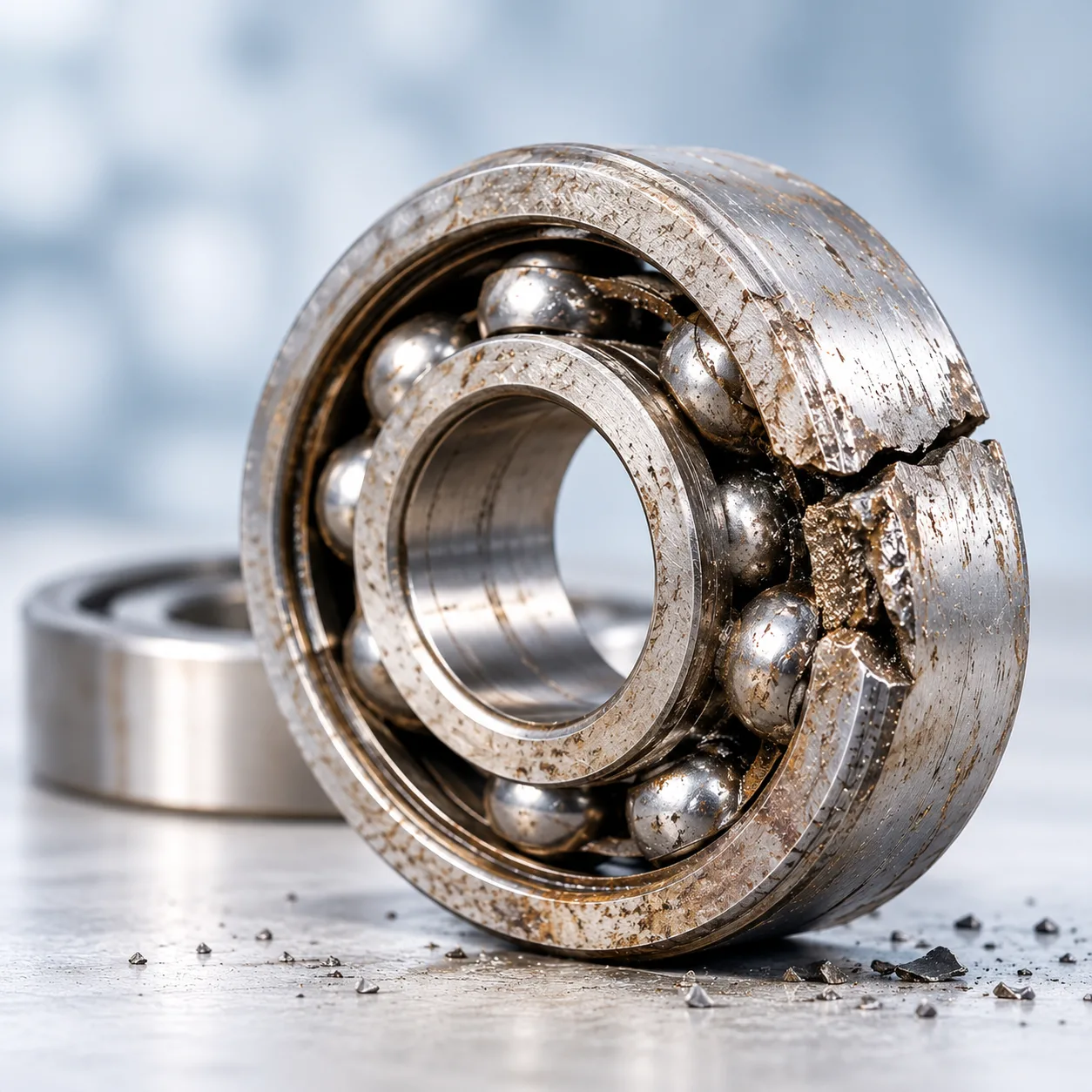
Before choosing a bearing, businesses should evaluate operating loads, rotational speed, installation space, lubrication, temperature, alignment, and environmental exposure. Understanding the factors responsible for bearings failing prematurely can help maintenance professionals identify potential risks and make better decisions when evaluating bearing suitability.
Preventive Maintenance for Consistent Performance
Preventive maintenance helps businesses maintain equipment in suitable working condition and identify problems before they become serious. Regular lubrication checks, cleaning, alignment verification, vibration monitoring, and inspection of surrounding components can support more reliable machinery operation.
Maintaining records of inspection results, bearing replacements, and recurring faults can also help identify patterns. When the same bearing experiences repeated problems, reviewing its operating conditions and maintenance history may help determine whether corrective measures are necessary.
Conclusion
Bearing durability is influenced by the combined effect of operating conditions, lubrication, installation practices, environmental exposure, and maintenance. Paying attention to these elements can help businesses minimize premature wear and maintain consistent machinery performance.
By following suitable maintenance procedures, identifying early signs of damage, and selecting bearings according to application requirements, industrial facilities can reduce unexpected breakdowns and improve equipment reliability. A preventive approach to bearing care supports smoother operations, better maintenance planning, and long-term productivity.