
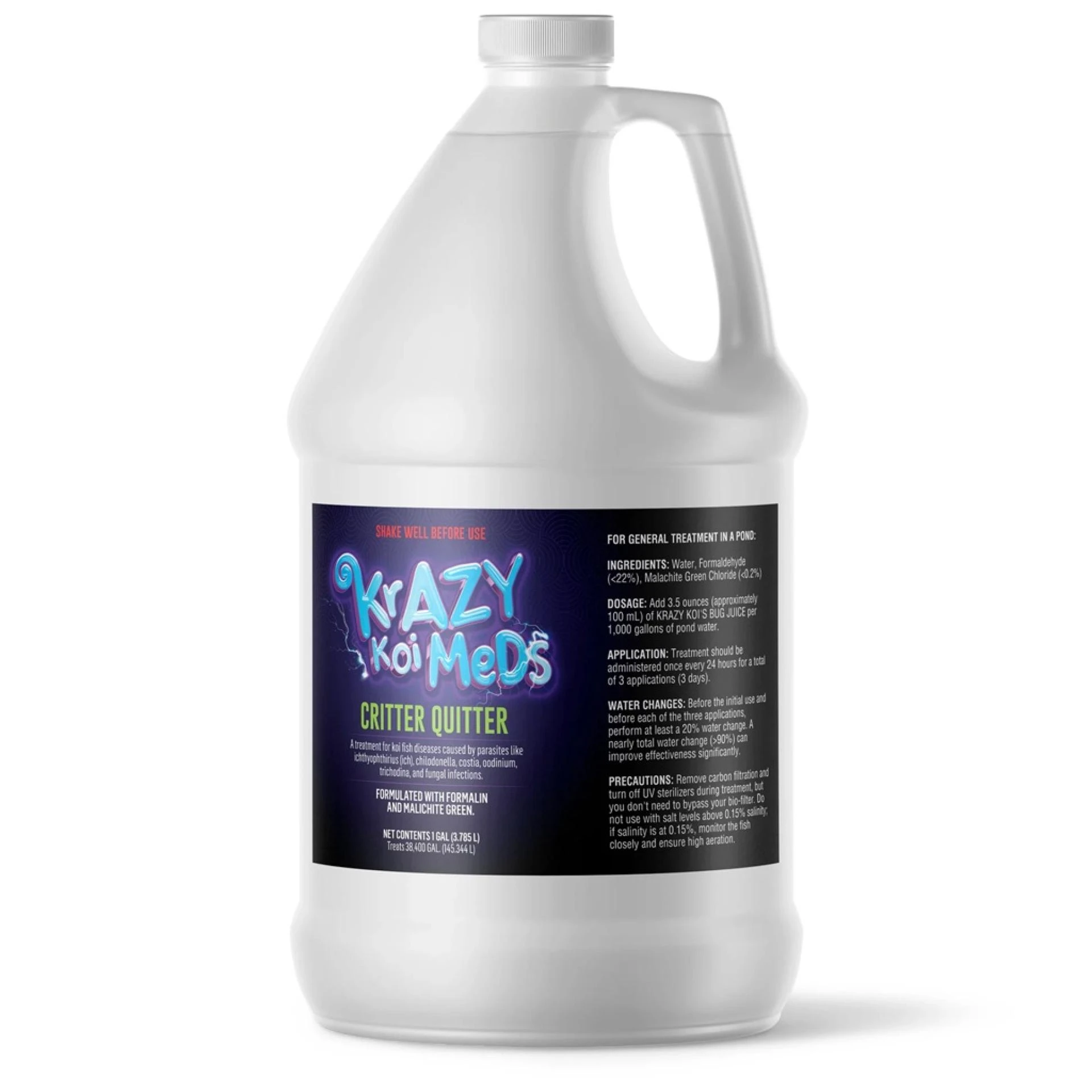
Bacterial infections and mouth rot are among the most common health issues affecting fish in both aquariums and ponds. These conditions can develop quickly and, if left untreated, may cause severe damage or even lead to the death of affected fish. Understanding the causes, symptoms, and treatment of bacterial infections, as well as how mouth rot develops, is essential for any fish keeper who wants to maintain a healthy aquatic environment.
What Are Bacterial Infections in Fish?
Bacterial infections are caused by harmful bacteria that invade the fish’s body, usually through injuries, poor water conditions, or stress. These infections can manifest externally or internally and are often linked to compromised immune systems.
Causes of Bacterial Infections
- Poor water quality (ammonia, nitrite, or high nitrate levels)
- Stress due to overcrowding or aggressive tank mates
- Physical injuries or open wounds
- Poor nutrition and lack of balanced diet
Common Symptoms of Bacterial Infections
- Red streaks or ulcers on the body
- Fins appearing frayed or clamped
- Lethargy and lack of appetite
- White or cloudy patches on the skin
- Swollen abdomen or dropsy-like symptoms
Mouth Rot: A Severe Form of Bacterial Infection
Mouth rot, also known as columnaris, is a specific bacterial infection that primarily affects the mouth and head area of fish. Left untreated, it can lead to tissue necrosis and spread throughout the body.
Causes of Mouth Rot
- Poor water hygiene and high organic waste
- Stress from transport or sudden environmental changes
- Injuries around the mouth area
- Weakened immune response
Signs of Mouth Rot
- White or grayish cotton-like growth around the mouth
- Erosion of lips and jawline
- Difficulty eating or refusal to eat
- Foul odor in severe cases
How to Prevent Bacterial Infections and Mouth Rot
Prevention is always better than cure. A few proactive steps can significantly lower the risk of bacterial outbreaks in your aquarium or pond.
- Maintain excellent water quality with regular testing
- Avoid overstocking and aggressive tank mates
- Provide a varied and balanced diet to strengthen immunity
- Quarantine new fish before adding them to the main tank
- Minimize stress during handling or transportation
Treatment Options for Bacterial Infections and Mouth Rot
1. Improving Water Quality
Perform partial water changes and ensure filtration systems are functioning properly. Good water conditions help fish recover faster.
2. Isolation of Sick Fish
Quarantining infected fish prevents the spread of bacteria to healthy tank mates.
3. Medication and Remedies
Depending on the severity, antibacterial treatments may be necessary. Topical treatments, medicated baths, or oral medications can help combat the infection.
4. Supportive Care
Offer high-quality food rich in vitamins and ensure reduced stress levels during recovery.
Final Thoughts
Bacterial infections and mouth rot are serious conditions that require immediate attention. By recognizing the early signs, maintaining proper water quality, and acting quickly with appropriate treatment, you can protect your fish from long-term harm. Prevention through a healthy environment and proper care is the best defense against these infections.
FAQs
Q1: Are bacterial infections contagious to other fish?
Yes, bacterial infections and mouth rot can spread quickly, especially in overcrowded or poorly maintained tanks.
Q2: How long does it take for mouth rot to kill a fish?
If untreated, mouth rot can progress rapidly within days, leading to severe tissue damage and death.
Q3: Can fish recover fully from bacterial infections?
Yes, with early detection and proper treatment, many fish recover fully and return to normal health.
Q4: Is mouth rot always caused by poor water conditions?
Not always, but poor water quality is the leading cause. Stress, injury, and weak immunity also play major roles.
Q5: What’s the best way to boost fish immunity?
A balanced diet, low-stress environment, and regular water maintenance are the most effective ways to strengthen immunity.