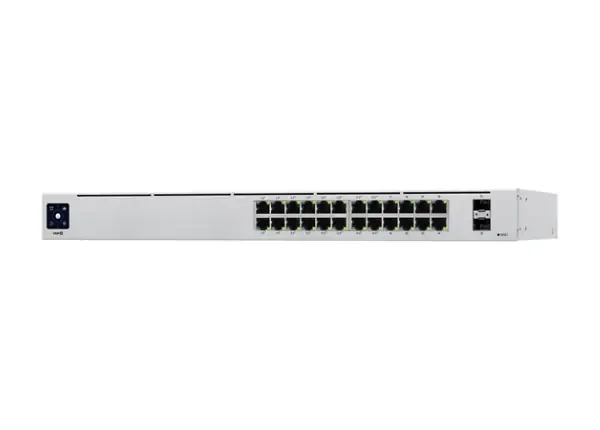
Business networks face mounting pressure from increasing device counts, bandwidth demands, and security threats. Traditional networking equipment struggles to keep pace with modern requirements, leaving companies vulnerable to connectivity issues and performance bottlenecks. The choice between conventional routers and advanced networking solutions can determine whether a business thrives or falls behind competitors in today's digital landscape.
The Ubiquiti access point represents a shift towards enterprise-grade networking that addresses fundamental weaknesses in traditional router systems. Unlike standard routers that serve basic connectivity needs, these solutions offer scalable architecture designed for high-density environments. Businesses experience immediate improvements in coverage, capacity, and control when transitioning from legacy equipment to modern access point systems that support dozens of concurrent users without performance degradation.
The Limitations of Traditional Router Systems
Standard routers face significant challenges in commercial environments where multiple users compete for bandwidth and coverage. These devices typically support 20-30 concurrent connections before experiencing slowdowns, creating bottlenecks during peak usage periods. The limited processing power and memory in consumer-grade routers cannot handle the data throughput requirements of modern business applications, resulting in dropped connections and frustrated users.
Range limitations plague traditional router deployments in larger office spaces or multi-floor buildings. Single router configurations create dead zones where connectivity becomes unreliable or completely unavailable. The wireless standards supported by older routers often lack the capacity to maintain stable connections across extended distances, forcing businesses to accept poor coverage in certain areas or invest in multiple router units that create interference problems.
Security vulnerabilities in traditional routers expose businesses to cyber threats that can compromise sensitive data and disrupt operations. Many consumer-grade devices receive infrequent firmware updates, leaving known security flaws unpatched for extended periods. The limited security features available on standard routers cannot provide the access control and monitoring capabilities required for business environments where data protection is critical.
Management complexity increases exponentially when businesses attempt to scale traditional router networks. Each device requires individual configuration and monitoring, creating administrative overhead that consumes valuable IT resources. The lack of centralized management tools makes network troubleshooting and optimization extremely difficult, particularly when multiple routers operate independently without coordination or unified control systems.
Understanding Enterprise Access Point Technology
Enterprise access points operate on fundamentally different principles compared to traditional routers, separating wireless functionality from routing and switching operations. This architecture allows businesses to deploy multiple access points connected to a central controller, creating unified network coverage without the limitations of standalone router systems. The distributed approach provides superior performance scaling and eliminates the single point of failure inherent in traditional router configurations.
Modern access point systems support advanced wireless standards that deliver significantly higher throughput and capacity compared to consumer routers. The latest Wi-Fi 6 and Wi-Fi 6E technologies provide theoretical speeds exceeding 9 Gbps, with real-world performance that maintains consistent connectivity even with dozens of simultaneous users. These systems incorporate technologies like OFDMA and MU-MIMO that optimise spectrum usage and reduce latency for business-critical applications.
Centralised management capabilities distinguish enterprise access points from traditional networking equipment, providing administrators with comprehensive visibility and control over network operations. Single management interfaces allow technicians to configure, monitor, and troubleshoot entire networks from one location, reducing the complexity and time required for routine maintenance tasks. Automatic firmware updates and configuration synchronisation ensure consistent security and performance across all access points without manual intervention.
Power over Ethernet (PoE) support in enterprise access points simplifies installation and reduces infrastructure requirements compared to traditional router deployments. Single ethernet cables provide both data connectivity and electrical power, eliminating the need for separate power sources at each access point location. This capability enables flexible placement options that optimise coverage and performance without being constrained by power outlet availability.
Performance Comparison in High-Density Environments
High-density environments expose the fundamental weaknesses of traditional router systems when large numbers of users compete for limited wireless resources. Standard routers experience significant performance degradation when serving more than 20-25 active clients, with connection speeds dropping dramatically as user counts increase. The shared bandwidth model in traditional routers creates bottlenecks that affect all connected devices, resulting in poor user experiences during peak usage periods.
Enterprise access point systems maintain consistent performance levels even with 100+ concurrent users per access point through advanced traffic management and spectrum optimisation technologies. Load balancing capabilities automatically distribute clients across available access points to prevent congestion and maintain optimal performance for all users. Quality of Service (QoS) features prioritise business-critical traffic over recreational usage, ensuring important applications receive necessary bandwidth regardless of network load.
Interference management represents another critical advantage of enterprise access points over traditional routers in dense deployments. Automatic channel selection and power adjustment features prevent access points from interfering with each other, maintaining clean wireless environments that maximise throughput and reliability. Traditional routers lack these coordination capabilities, often creating interference patterns that degrade performance across the entire network.
Backhaul capacity limitations in traditional router networks become apparent when multiple units attempt to share internet connections through wireless bridging or mesh configurations. Enterprise access point systems connect directly to wired network infrastructure, providing dedicated backhaul capacity that eliminates bottlenecks and ensures consistent performance. This wired backhaul approach supports the full wireless capacity of each access point without sharing limitations that plague traditional router mesh networks.
Security Features and Business Protection
Enterprise access point systems provide comprehensive security features that address the sophisticated threats facing modern businesses, going far beyond the basic protection offered by traditional routers. Advanced encryption protocols, including WPA3 and enterprise-grade authentication methods, protect wireless communications from interception and unauthorised access. Role-based access control allows administrators to segment network access based on user credentials and device types, preventing lateral movement by potential attackers.
Network segmentation capabilities in enterprise systems create isolated wireless networks for different user groups, devices, or applications without requiring separate physical infrastructure. Guest networks operate completely independently from corporate resources, eliminating the security risks associated with visitor access to business systems. Device isolation features prevent connected devices from communicating with each other unless explicitly authorised, reducing the attack surface and containing potential security breaches.
Intrusion detection and prevention systems built into enterprise access points monitor network traffic for suspicious activities and automatically respond to potential threats. Real-time alerting capabilities notify administrators of security events, enabling rapid response to contain and remediate incidents before they cause significant damage. Traditional routers typically lack these monitoring capabilities, leaving businesses blind to ongoing security threats.
Regular security updates and patch management in enterprise access point systems ensure protection against newly discovered vulnerabilities, with automatic update capabilities that maintain security posture without administrative intervention. Manufacturers of enterprise equipment typically provide security updates for extended periods, often 5-7 years, compared to the 1-2 years common with consumer router products. This extended support lifecycle protects business investments and maintains security effectiveness over time.
Scalability and Future-Proofing Considerations
Business growth demands networking infrastructure that can accommodate increasing user counts, device proliferation, and bandwidth requirements without complete system replacement. Traditional router systems reach capacity limits quickly, requiring expensive forklift upgrades when businesses expand beyond initial deployment parameters. The modular nature of enterprise access point systems allows organisations to add coverage and capacity incrementally as needs grow, protecting initial investments and reducing upgrade costs.
Technology evolution in wireless standards requires networking equipment that can adapt to new requirements through firmware updates or modular component replacement. Enterprise access point systems typically support multiple wireless standards simultaneously and receive firmware updates that add new features and capabilities over time. Traditional routers become obsolete more quickly, lacking the processing power and memory required to support advancing wireless technologies through software updates alone.
Infrastructure integration capabilities enable enterprise access point systems to work seamlessly with existing network equipment, security systems, and management platforms. Standard protocols and interfaces ensure compatibility with switches, firewalls, and monitoring tools from multiple vendors, providing flexibility in system design and vendor selection. Traditional routers often require proprietary management software and have limited integration options that constrain future expansion choices.
Investment protection becomes particularly important when considering the total cost of ownership over a typical 5-7 year equipment lifecycle. Enterprise access point systems maintain their functionality and performance characteristics longer than traditional routers, which often require replacement after 2-3 years due to capacity limitations or technology obsolescence. The ability to upgrade firmware, add features, and expand capacity extends the useful life of enterprise equipment and improves return on investment.
Cost Analysis and Return on Investment
Initial equipment costs for enterprise access point systems appear higher than traditional router alternatives, but comprehensive cost analysis reveals significant long-term savings through improved reliability, reduced maintenance, and extended equipment life cycles. The distributed architecture of access point systems eliminates single points of failure that can cause costly network outages and productivity losses. Businesses avoid the hidden costs associated with poor connectivity, including lost productivity, customer dissatisfaction, and IT support overhead.
Operational efficiency improvements from centralized management and automated maintenance features reduce the ongoing costs associated with network administration and troubleshooting. IT staff can manage larger networks with fewer resources, freeing personnel for strategic projects rather than routine maintenance tasks. The reduction in support calls and user complaints provides quantifiable savings that often justify the initial investment within the first year of deployment.
Energy consumption differences between traditional routers and enterprise access points can create significant cost savings over time, particularly in large deployments. Power over Ethernet capabilities eliminate the need for individual power adapters at each access point location, reducing energy consumption and simplifying electrical requirements. Automatic power management features adjust transmission power based on actual requirements, further reducing energy costs without compromising performance.
Downtime costs associated with network failures can exceed equipment investments within hours, making reliability a critical factor in total cost calculations. Enterprise access point systems provide redundancy options and automatic failover capabilities that minimize service interruptions and their associated costs. The improved mean time between failures and faster repair times of enterprise equipment reduce both direct and indirect costs of network downtime.
Implementation Strategies for Business Networks
Successful transition from traditional router systems to enterprise access point networks requires careful planning and phased implementation to minimize disruption and ensure optimal results. Site surveys identify coverage requirements, interference sources, and optimal access point placement locations before equipment installation begins. Professional assessment prevents common deployment mistakes that can compromise performance and waste resources on unnecessary equipment or suboptimal configurations.
Pilot deployments in limited areas allow businesses to evaluate enterprise access point performance and familiarize staff with new management tools before full-scale rollouts. Testing critical applications and workflows during pilot phases identifies potential compatibility issues and allows for adjustments before affecting the entire organization. Gradual migration approaches maintain business continuity and provide opportunities to refine configurations based on real-world usage patterns.
Staff training requirements for enterprise access point systems differ significantly from traditional router management, necessitating investment in education and certification programs. The advanced features and capabilities of enterprise equipment require deeper technical knowledge to maximize benefits and maintain optimal performance. Training investments pay dividends through improved system utilization and reduced dependence on external support resources.
Integration planning addresses how enterprise access point systems will interact with existing network infrastructure, security policies, and business applications. Compatibility testing ensures smooth operation with current systems and identifies any required upgrades or modifications to support new equipment. Change management processes help users adapt to improved network performance and new capabilities without confusion or resistance.
Conclusion
The choice between traditional routers and enterprise access point systems fundamentally determines a business's ability to support current operations and future growth. Traditional router limitations become increasingly apparent as businesses face growing connectivity demands, security threats, and performance requirements that exceed consumer-grade equipment capabilities. Enterprise access point systems provide the scalability, security, and performance characteristics necessary for modern business environments, delivering measurable improvements in user experience and operational efficiency. The investment in enterprise networking infrastructure pays immediate dividends through improved productivity and reduced support costs, creating a foundation for sustainable business growth in an increasingly connected world.