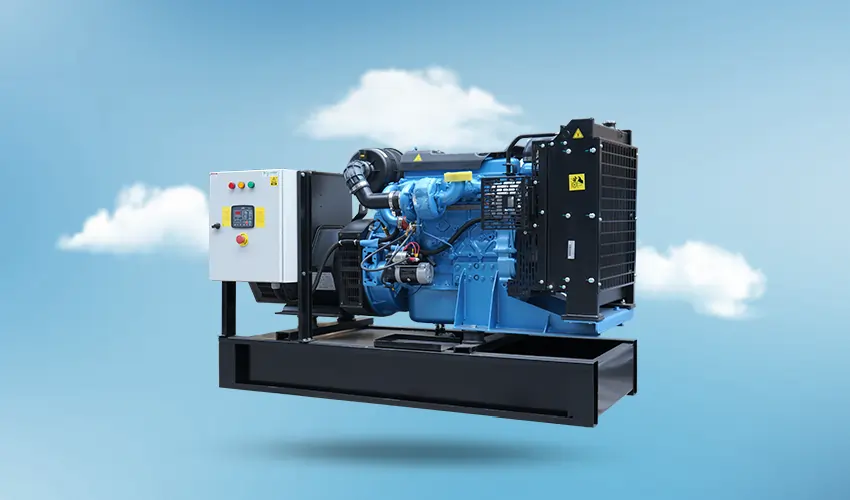
The United States generator set (genset) market is experiencing substantial growth, with the industry valued at USD 7.5 billion in 2024 and projected to reach USD 12.2 billion by 2032. This robust 63% expansion, driven by a compound annual growth rate (CAGR) of 6.4% from 2025 to 2032, reflects the increasing importance of backup power solutions in an era of grid vulnerabilities, extreme weather events, and growing demand for uninterrupted power supply across residential, commercial, and industrial sectors.
The Critical Role of Backup Power in Modern America
Generator sets have evolved from luxury convenience items to essential infrastructure components that ensure business continuity, protect critical operations, and maintain quality of life during power outages. The market's strong growth trajectory underscores the fundamental shift in how Americans view power reliability and the increasing recognition that backup power is not optional but necessary for modern life and economic activity.
Recent extreme weather events, including hurricanes, winter storms, wildfires, and heat waves, have demonstrated the vulnerability of the electrical grid and the critical importance of reliable backup power systems. These events have accelerated adoption across all market segments, from residential homeowners seeking peace of mind to industrial facilities requiring uninterrupted operations to maintain production schedules and protect equipment.
Residential Market Growth and Changing Consumer Priorities
The residential genset segment is experiencing unprecedented growth as homeowners increasingly prioritize energy security and grid independence. The rise of remote work, accelerated by the COVID-19 pandemic, has made home power reliability a business necessity rather than just a convenience. Power outages that once represented minor inconveniences now translate directly to lost productivity and income for remote workers.
Whole-house generator installations are becoming standard features in new home construction and major renovation projects, particularly in regions prone to severe weather events. Homeowners are investing in automatic standby generators that provide seamless power transfer without requiring manual intervention, ensuring continuous operation of essential systems including heating, cooling, refrigeration, and home security systems.
Smart home technology integration is driving demand for more sophisticated residential generator systems. Modern gensets can be monitored and controlled remotely through smartphone applications, providing homeowners with real-time status updates and maintenance alerts. This technological advancement enhances user confidence and supports proactive maintenance that extends equipment lifespan.
Commercial and Industrial Applications Driving Market Expansion
Commercial establishments are increasingly recognizing that power outages represent significant financial risks that extend far beyond the duration of the outage itself. Retail businesses lose sales, restaurants must discard perishable inventory, and office buildings face productivity losses and potential data center failures. Generator sets provide essential business continuity protection that justifies the investment through avoided losses and maintained operations.
Healthcare facilities represent a critical market segment where generator reliability can literally mean the difference between life and death. Hospitals, urgent care centers, nursing homes, and medical research facilities require robust backup power systems that meet stringent regulatory requirements while providing absolute reliability. The aging of America's population is driving expansion of healthcare infrastructure, creating sustained demand for medical-grade generator systems.
Data centers and telecommunications infrastructure depend entirely on uninterrupted power supply to maintain operations that support modern digital life. The exponential growth of cloud computing, streaming services, and digital communications creates massive demand for reliable backup power systems that can support critical IT infrastructure during grid outages.
Technology Innovation and Market Evolution
The genset industry is experiencing significant technological advancement that improves reliability, efficiency, and environmental performance. Modern generator sets incorporate advanced engine management systems, sophisticated control panels, and remote monitoring capabilities that enhance operational reliability while reducing maintenance requirements.
Natural gas generators are gaining market share due to their cleaner emissions profile and connection to reliable utility gas infrastructure. These systems eliminate the need for on-site fuel storage and provide unlimited runtime capability as long as gas supply remains available. The extensive natural gas distribution network across the United States supports widespread adoption of gas-powered generator systems.
Hybrid power systems that combine traditional generator sets with battery storage and solar panels are emerging as sophisticated solutions for extended outages and grid independence applications. These integrated systems provide immediate battery backup for short outages while maintaining generator capability for extended power disruptions.
Regional Market Dynamics and Climate Considerations
The U.S. genset market exhibits distinct regional characteristics based on climate patterns, grid reliability, and local economic conditions. The Southeast region, frequently impacted by hurricanes and severe weather, represents one of the largest markets for both residential and commercial generator installations. States like Florida, Texas, and Louisiana have particularly high adoption rates driven by regular storm activity.
California's wildfire risk and planned power shutoffs by utilities have created substantial demand for backup power systems across residential and commercial sectors. The state's Public Safety Power Shutoffs (PSPS) events, designed to prevent utility equipment from sparking fires, can leave communities without power for days, driving generator adoption among previously unaffected populations.
The Northeast corridor experiences regular winter storms and aging grid infrastructure that contribute to power reliability challenges. Ice storms and nor'easters can cause extended outages that affect millions of customers, supporting sustained demand for backup power solutions.
Market Challenges and Growth Opportunities
Supply chain disruptions and component shortages have affected genset manufacturing and installation timelines, creating backlogs that extend lead times for popular generator models. Manufacturers are investing in domestic production capabilities and diversified supplier networks to improve availability and reduce delivery times.
Installation capacity represents another challenge, as the surge in demand has strained the availability of qualified technicians capable of properly installing and maintaining generator systems. Industry training programs and certification initiatives are addressing this workforce gap while supporting safe and reliable installations.
Environmental regulations continue to evolve, driving innovation in cleaner generator technologies and more efficient engine designs. Manufacturers are developing solutions that meet increasingly stringent emissions requirements while maintaining the reliability and performance that customers require.
Future Outlook and Strategic Implications
The projected growth to USD 12.2 billion by 2032 reflects the fundamental importance of backup power in an increasingly connected and power-dependent society. This expansion will likely accelerate as extreme weather events become more frequent and severe, grid infrastructure ages, and power reliability becomes increasingly critical for economic activity.
The integration of renewable energy sources and energy storage technologies will create new opportunities for hybrid generator systems that provide both backup power and grid independence capabilities. These advanced systems will appeal to environmentally conscious consumers while delivering superior performance and flexibility.
The U.S. genset market's robust growth trajectory positions backup power as an essential component of resilient infrastructure that supports both individual security and broader economic stability in an uncertain energy environment.