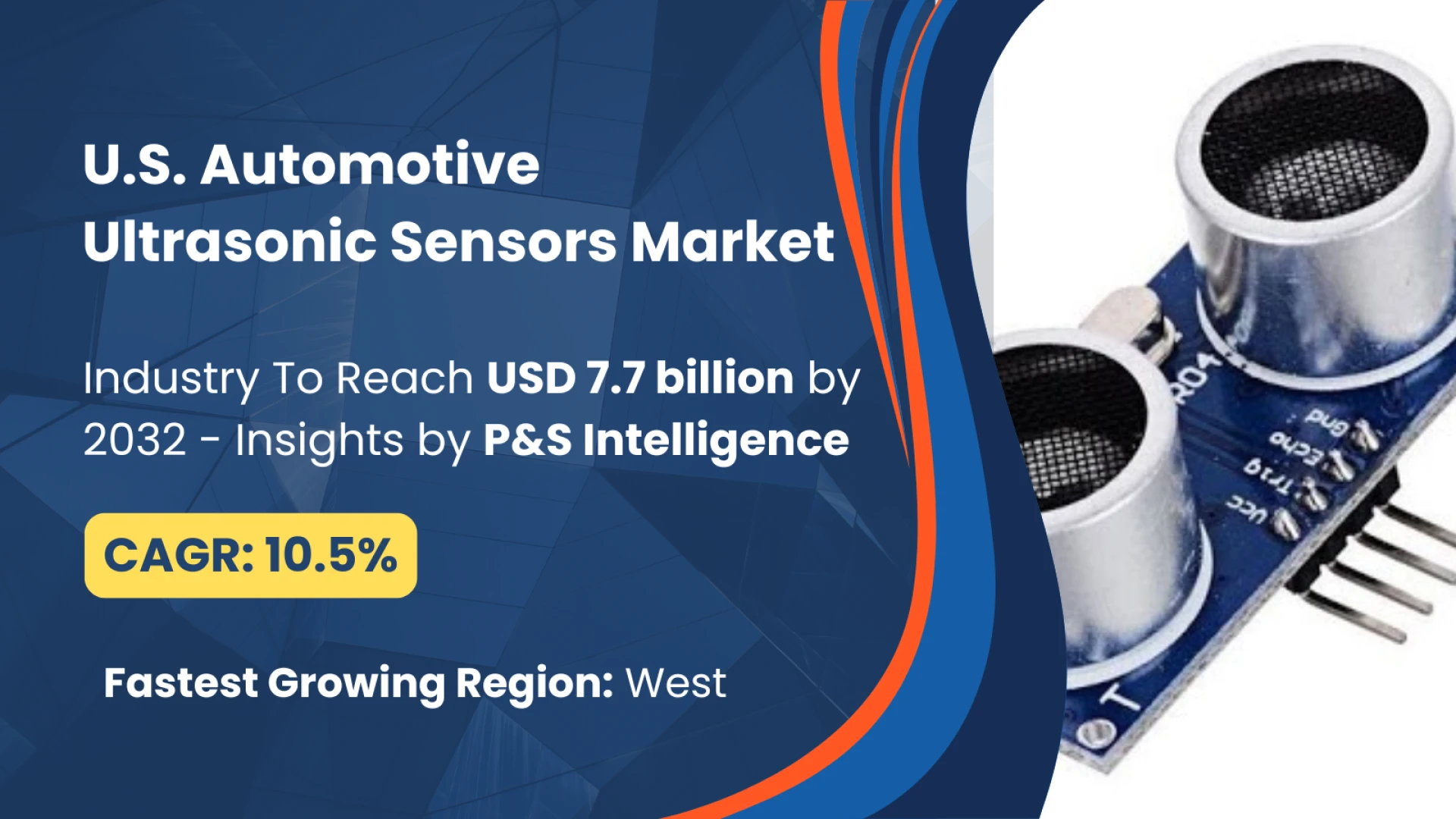
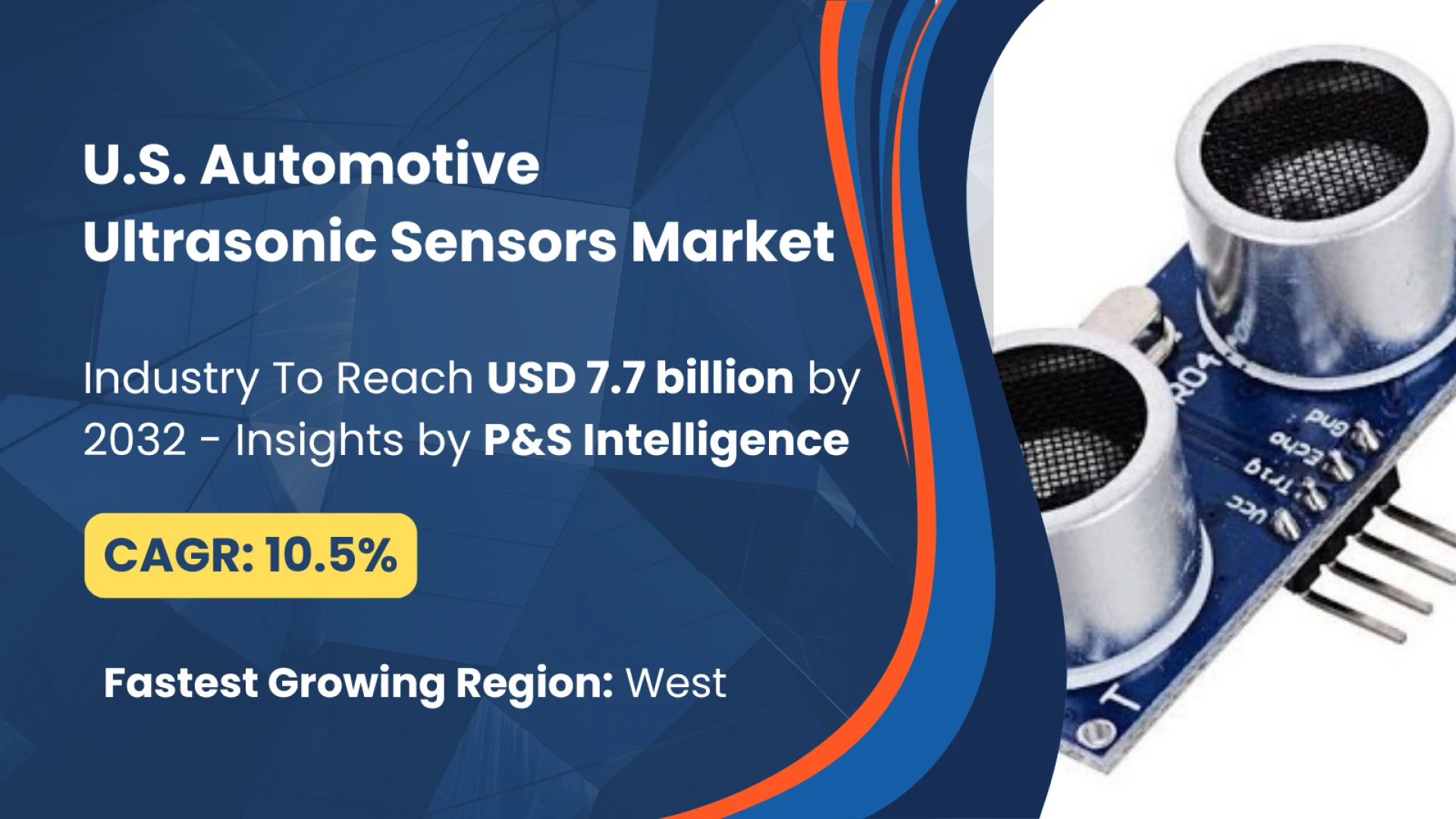
The United States automotive ultrasonic sensors market is experiencing robust growth, with the industry valued at USD 3.5 billion in 2024 and projected to reach USD 7.7 billion by 2032. This impressive 120% expansion, driven by a compound annual growth rate (CAGR) of 10.5% from 2025 to 2032, reflects the accelerating adoption of advanced driver assistance systems (ADAS) and the automotive industry's relentless march toward autonomous vehicles and enhanced safety features.
The Sensor Revolution in Modern Vehicles
Automotive ultrasonic sensors have evolved from simple parking assistance devices to critical components in sophisticated vehicle safety and automation systems. These compact, cost-effective sensors use sound waves to detect objects, measure distances, and monitor blind spots, providing essential data for a wide range of automotive applications. The market's strong growth trajectory underscores the increasing integration of sensor technology in both luxury and mainstream vehicle segments.
Modern vehicles now incorporate multiple ultrasonic sensors strategically positioned around the vehicle perimeter to create comprehensive awareness systems. This proliferation of sensors supports increasingly sophisticated features that enhance safety, convenience, and the driving experience. The technology's reliability, affordability, and proven performance in harsh automotive environments have made ultrasonic sensors indispensable components in contemporary vehicle design.
Advanced Driver Assistance Systems Driving Market Growth
The widespread adoption of ADAS technology represents the primary driver of ultrasonic sensor market expansion. Parking assistance systems, which rely heavily on ultrasonic sensors, have become standard features across vehicle segments, from economy cars to luxury SUVs. These systems provide audible and visual warnings to drivers while maneuvering in tight spaces, significantly reducing parking-related accidents and property damage.
Blind spot monitoring systems increasingly incorporate ultrasonic sensors to complement radar and camera-based detection systems. The multi-sensor approach provides redundancy and improved accuracy in detecting vehicles, pedestrians, and obstacles in areas where driver visibility is limited. This application is particularly important as vehicle designs prioritize aerodynamics over traditional visibility considerations.
Automatic emergency braking systems benefit from ultrasonic sensor integration, particularly in low-speed scenarios such as urban driving and parking lot navigation. The sensors provide real-time distance measurements that enable rapid response to potential collision situations, supporting the automotive industry's commitment to reducing traffic accidents and improving overall road safety.
Electric Vehicle Integration and Market Opportunities
The rapid growth of electric vehicle (EV) adoption in the United States is creating new opportunities for ultrasonic sensor applications. EVs operate more quietly than traditional internal combustion vehicles, making pedestrian and cyclist detection more challenging. Ultrasonic sensors provide additional awareness capabilities that complement other detection systems, enhancing safety for vulnerable road users.
Electric vehicle charging infrastructure integration represents an emerging application for ultrasonic sensors. Automated parking systems that guide EVs precisely to charging stations rely on ultrasonic sensors for accurate positioning. This application becomes increasingly important as autonomous parking systems develop and EV charging infrastructure expands across urban environments.
Battery thermal management systems in electric vehicles also utilize ultrasonic sensors for monitoring cooling system performance and detecting potential issues that could affect battery safety and longevity. This application demonstrates the expanding role of ultrasonic sensors beyond traditional proximity detection functions.
Autonomous Vehicle Development and Technology Evolution
The development of autonomous vehicles is driving significant advancement in ultrasonic sensor technology and market demand. Self-driving vehicles require comprehensive environmental awareness that combines data from multiple sensor types, including ultrasonic sensors for close-proximity detection and low-speed maneuvering.
Sensor fusion technologies that integrate ultrasonic sensors with cameras, radar, and lidar systems are becoming increasingly sophisticated. Advanced algorithms process data from multiple sensor types to create detailed environmental maps that enable autonomous navigation. Ultrasonic sensors contribute essential short-range detection capabilities that complement the longer-range capabilities of other sensor technologies.
The cost-effectiveness of ultrasonic sensors makes them attractive for widespread deployment in autonomous vehicle applications. While some sensor technologies remain expensive and complex, ultrasonic sensors provide reliable performance at accessible price points that support mass market autonomous vehicle development.
Manufacturing Innovation and Technology Advancement
The automotive ultrasonic sensor industry is witnessing significant manufacturing innovation that improves performance while reducing costs. Advanced materials and miniaturization techniques enable the production of smaller, more efficient sensors that consume less power and provide improved accuracy. These developments support the integration of more sensors per vehicle without significantly impacting manufacturing costs.
Smart sensor technologies that incorporate signal processing capabilities directly within the sensor unit are emerging as a significant trend. These intelligent sensors reduce the computational burden on vehicle control units while providing more sophisticated detection algorithms and improved noise rejection capabilities.
Wireless sensor technologies are being developed to reduce vehicle wiring complexity and enable more flexible sensor placement. These innovations support easier installation and maintenance while reducing vehicle weight and manufacturing complexity.
Market Challenges and Competitive Dynamics
The automotive ultrasonic sensor market faces challenges related to increasing performance requirements and cost pressures from automotive manufacturers. Sensors must operate reliably in extreme weather conditions, electromagnetic interference environments, and varying temperature ranges while maintaining consistent accuracy and responsiveness.
Competition from alternative sensor technologies, including camera-based systems and advanced radar solutions, requires ultrasonic sensor manufacturers to continuously improve performance and demonstrate unique value propositions. However, the complementary nature of different sensor technologies often results in integrated solutions rather than direct replacement.
Supply chain resilience has become increasingly important following recent global disruptions. Manufacturers are investing in domestic production capabilities and diversified supplier networks to ensure consistent sensor availability for automotive production schedules.
Regional Manufacturing and Supply Chain Dynamics
The U.S. automotive ultrasonic sensor market benefits from both domestic manufacturing capabilities and established relationships with international suppliers. Major automotive sensor manufacturers have production facilities in the United States to support just-in-time delivery requirements for vehicle assembly operations.
The reshoring trend in automotive manufacturing is creating opportunities for domestic ultrasonic sensor production. Automotive manufacturers are prioritizing supply chain proximity and reliability, supporting investment in U.S.-based sensor manufacturing capabilities.
Future Outlook and Strategic Implications
The projected growth to USD 7.7 billion by 2032 reflects the fundamental transformation occurring in the automotive industry toward increased automation and safety enhancement. This expansion represents substantial opportunities for sensor manufacturers, automotive suppliers, and technology developers who can address evolving market requirements.
The integration of artificial intelligence and machine learning capabilities into ultrasonic sensor systems will enable more sophisticated environmental interpretation and predictive capabilities. These technological advances will further expand the applications and value proposition of ultrasonic sensors in automotive systems.
The U.S. automotive ultrasonic sensors market's robust growth trajectory positions these technologies as essential enablers of the automotive industry's evolution toward safer, more automated vehicles that enhance both driver convenience and road safety for all users.