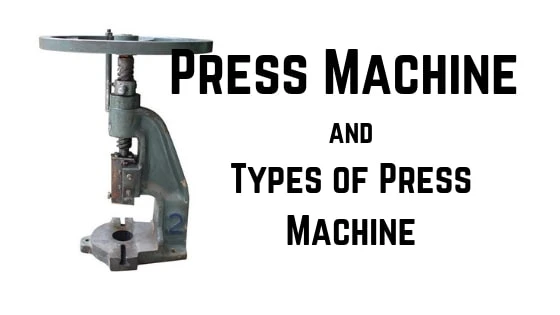
Press machines are essential tools in the manufacturing industry, used for operations such as bending, punching, stamping, cutting, and forming metal sheets. These machines vary widely in design, capacity, and application, allowing manufacturers to meet the diverse needs of automotive, electronics, construction, and general metalworking industries. Understanding the types of press machines produced by manufacturers helps businesses choose the right equipment for their specific production requirements.
A reputable Press Machine Manufacturer typically produces a variety of presses, each designed for specific tasks and operational demands. These manufacturers combine engineering expertise, advanced machining, and quality control to deliver presses that are reliable, safe, and efficient. By offering multiple types of machines, they ensure clients can select the ideal press for their materials, production volumes, and desired precision.
Mechanical Presses
Mechanical presses are widely used in industrial applications that require high-speed stamping or forming. They use a flywheel-driven crankshaft or eccentric mechanism to convert rotary motion into linear pressing force. Mechanical presses are ideal for mass production and operations where speed and consistency are critical, such as automotive body panel manufacturing. They are available in various tonnage capacities, enabling manufacturers to handle a wide range of material thicknesses.
Hydraulic Presses
Hydraulic presses use a hydraulic cylinder to generate controlled force over the ram, allowing for uniform pressure throughout the stroke. These presses are highly versatile and capable of handling heavier or more complex materials compared to mechanical presses. Hydraulic presses are often used for deep drawing, metal forming, and bending operations where precision and control are important. Manufacturers produce hydraulic presses in single- or double-acting configurations, depending on the application requirements.
Pneumatic Presses
Pneumatic presses utilize compressed air to drive the ram, providing lighter force suitable for softer materials or delicate tasks. They are ideal for small-scale production, assembly operations, or applications requiring quick cycles with minimal operator fatigue. Pneumatic presses are often used in electronics assembly, packaging, and small metalworking operations where precision and speed are needed without high tonnage requirements.
Servo Presses
Servo presses are among the most advanced types of presses, combining electric servo motors with precision control systems. These presses provide highly accurate ram positioning, adjustable speed profiles, and programmable force application. Servo presses are used in industries requiring complex forming, high repeatability, and low material wastage. Their flexibility allows manufacturers to optimize the press cycle for different production tasks, making them suitable for automotive, aerospace, and precision engineering applications.
C-Frame and H-Frame Presses
Press manufacturers produce both C-frame and H-frame presses to accommodate different operational layouts and workspace requirements. C-frame presses have an open-sided design that allows easier access for operators and die changes, making them suitable for smaller components and low- to medium-tonnage operations. H-frame presses, with their rigid, box-like structure, provide higher stability and tonnage capacity for large or heavy-duty applications. Both designs are available in mechanical, hydraulic, or servo-driven configurations.
Transfer and Progressive Presses
Transfer presses are designed for high-volume production lines where workpieces move automatically between multiple stations. Progressive presses perform multiple operations in a single stroke or cycle, making them highly efficient for stamping and forming components in large quantities. Manufacturers offering these types of presses focus on automation, tooling integration, and precise control systems to maintain consistency, reduce cycle times, and minimize material waste.
Specialized Press Machines
Many press machine manufacturers also produce specialized presses tailored for unique industrial applications. These may include powder compacting presses, multi-slide presses, or custom hydraulic forming presses designed for specific materials or production requirements. Specialized presses often involve customized tonnage, stroke length, and tooling options to meet precise industrial demands.
Conclusion
Manufacturers produce a wide range of press machines to address diverse industrial applications, from high-speed mechanical presses to precision servo and hydraulic presses. Other variations, such as pneumatic, C-frame, H-frame, transfer, progressive, and specialized presses, allow manufacturers to meet specific production, material, and design requirements. A reputable Press Machine Manufacturer leverages engineering expertise, quality materials, and advanced production techniques to deliver machines that provide reliability, precision, and efficiency. Understanding the different types of press machines helps businesses select the most suitable equipment for their operational needs, ensuring consistent output, reduced material waste, and long-term productivity.