Dental implants have revolutionized oral care in India, providing a reliable solution for missing teeth. For patients considering this treatment, it is essential to understand the types of dental implants available in India. Each type is designed to cater to specific dental needs, bone conditions, and aesthetic preferences.
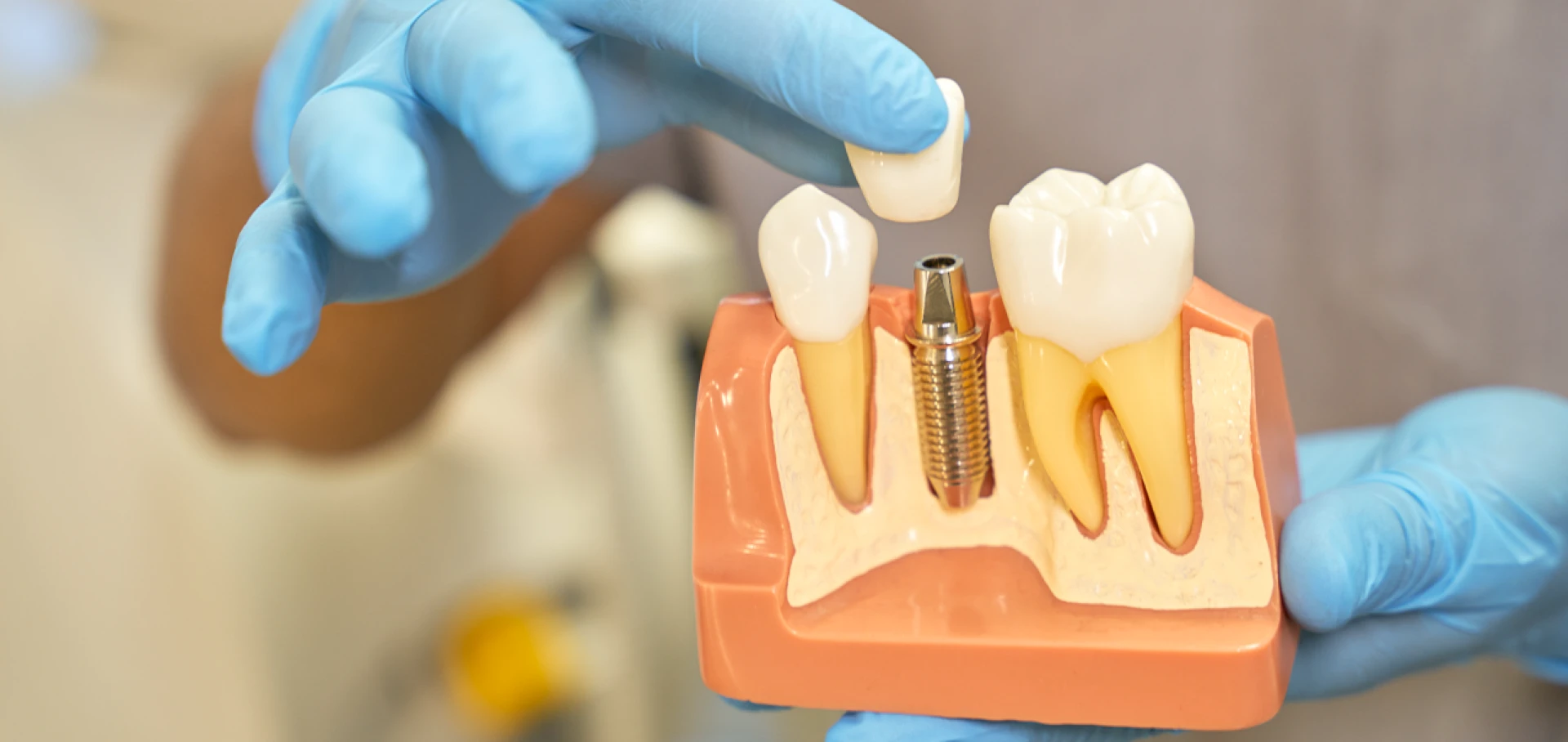
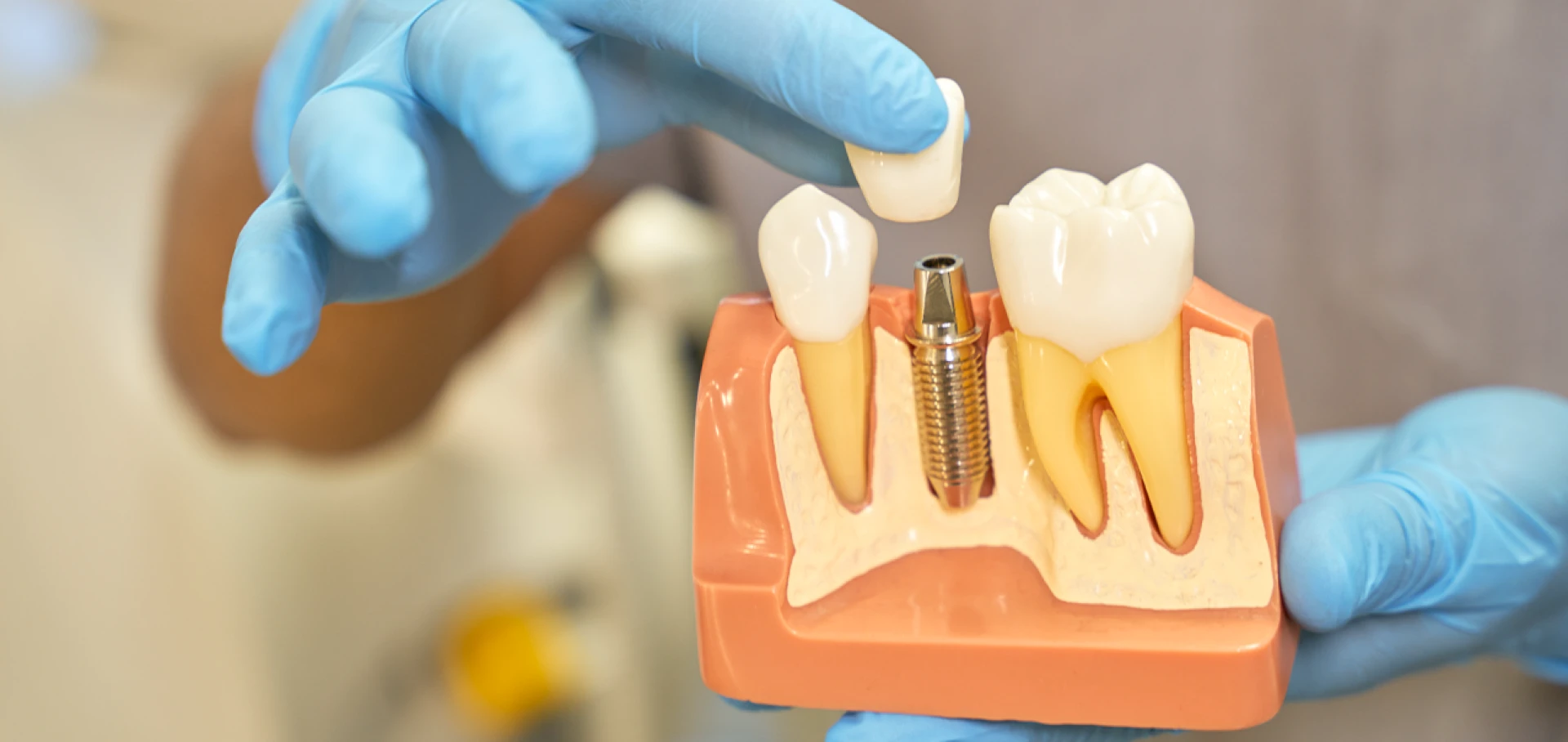
The most common type is the endosteal implant, which is placed directly into the jawbone. Endosteal implants are usually made of titanium and are suitable for patients with healthy bone structure. They are the most widely used implants due to their durability and high success rate. These implants can support single crowns, bridges, or even full-arch restorations depending on the patient’s requirements.
Another widely used type is the subperiosteal implant, which rests on top of the jawbone but beneath the gum tissue. This type is recommended for patients who do not have sufficient bone height for conventional implants and may not be suitable candidates for bone grafting procedures. Subperiosteal implants provide support for dentures or prosthetic teeth without invasive surgery, making them a preferred choice for specific clinical cases.
Zirconia implants are gaining popularity in India due to their natural tooth-like color and metal-free composition. Zirconia is biocompatible and reduces the risk of allergic reactions, making it an excellent option for patients with metal sensitivities. These implants offer both aesthetic appeal and functionality, making them suitable for visible areas in the mouth.
Mini dental implants (MDIs) are smaller in diameter than conventional implants and are often used for stabilizing lower dentures. They are less invasive, require minimal healing time, and can be an affordable solution for patients seeking immediate results. While not suitable for all cases, mini implants provide a quick and effective solution for certain dental needs.
All-on-4 and All-on-6 implants are innovative full-arch solutions designed to replace all teeth in one jaw with only four or six implants. These techniques reduce the need for multiple surgeries, provide faster results, and are ideal for patients with significant tooth loss. The angled placement of implants in All-on-4 or All-on-6 procedures maximizes support even in patients with limited bone density.
When selecting the right type of implant, several factors must be considered, including bone density, oral health, budget, and long-term goals. Patients should undergo a thorough consultation, including X-rays or 3D imaging, to determine the most suitable implant type for their specific needs. The choice of material, such as titanium or zirconia, also plays a crucial role in ensuring durability, aesthetics, and biocompatibility.
FAQs on Types of Dental Implants in India
Q1: What are the most common types of dental implants in India?
The most common types include endosteal implants, subperiosteal implants, zirconia implants, mini implants, and full-arch solutions like All-on-4 or All-on-6.
Q2: Which implant type is best for patients with low jawbone density?
Subperiosteal implants or All-on-4 techniques are often recommended for patients with limited bone height. Bone grafting may also be an option for endosteal implants.
Q3: Are zirconia implants better than titanium implants?
Zirconia implants offer a metal-free, tooth-colored alternative with high biocompatibility, but titanium implants are more widely used and highly durable.
Q4: Can mini implants support a full set of teeth?
Mini implants are primarily used for stabilizing dentures rather than supporting full-arch restorations. Full-arch solutions like All-on-4 are better suited for complete replacement.
Q5: How long do dental implants last?
With proper care and regular dental check-ups, most dental implants last 15–25 years or longer, making them a long-term solution for missing teeth.
In conclusion, highlighting the importance of “What are the types of dental implants available in India?”, patients can make informed choices based on their oral health, aesthetic needs, and lifestyle. Understanding the differences between endosteal, subperiosteal, zirconia, mini, and full-arch implants helps ensure successful outcomes. Patients seeking expert guidance and high-quality dental implant services in India can rely on The Dental Roots for personalized treatment plans, advanced technology, and exceptional care.