
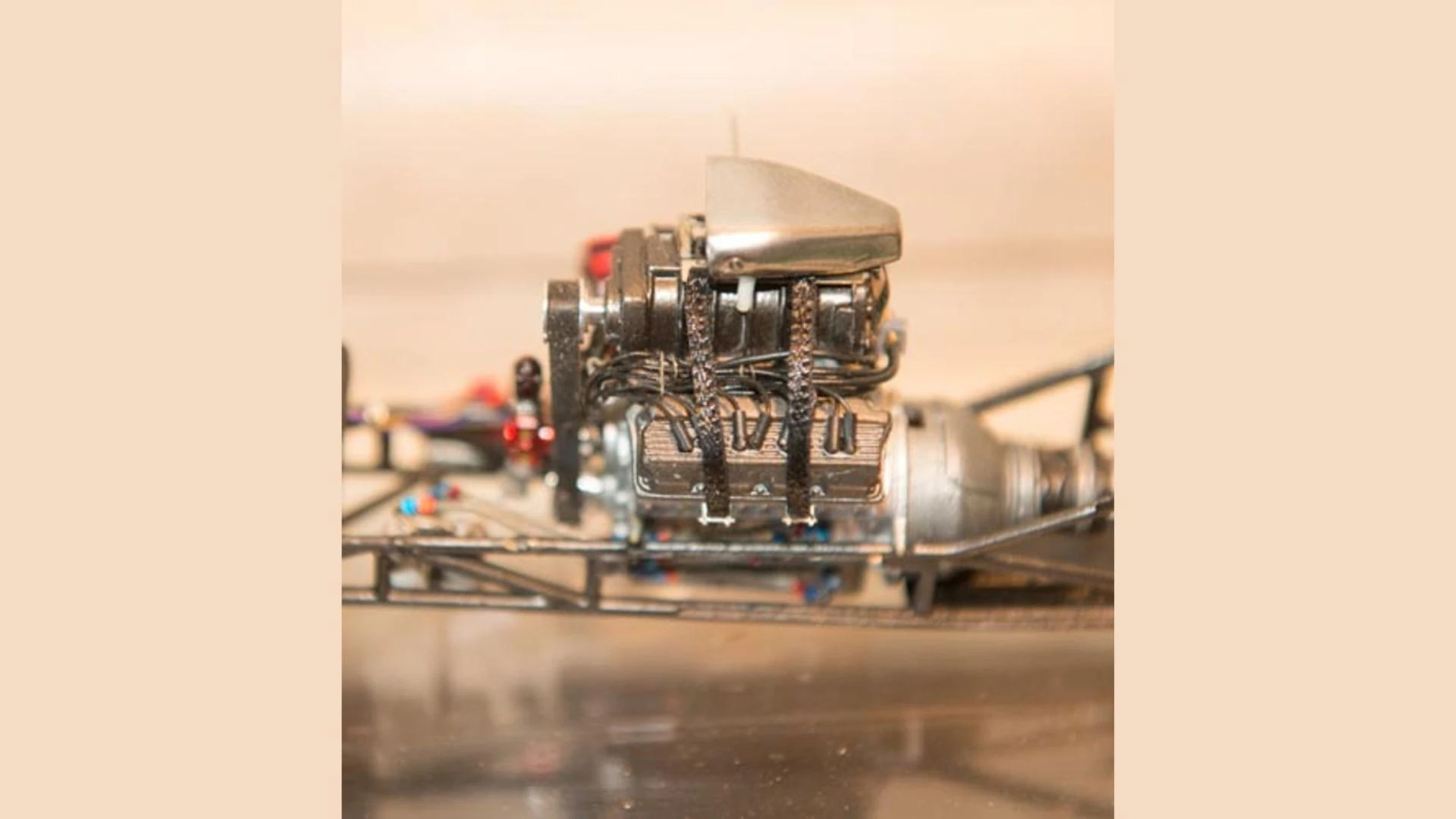
A model car’s character doesn’t end with the bodywork. What happens inside the cabin determines how convincing that model feels to the eye. The 1/25 interior & cockpit parts available at Ted’s Modeling Marketplace give builders the tools to recreate interiors that capture proportion, texture, and authenticity with professional accuracy.
While most enthusiasts start with exterior finishes, experienced builders know the cockpit is where realism either holds or falls apart. Every dashboard, seat, and console must sit within exact geometry. When parts are correctly scaled and detailed, the interior adds a layer of realism that transforms a model car from a display piece into a miniature recreation of engineering itself.
Core Elements of an Accurate Model Interior
- Dashboards and Instrument Panels – Each gauge and vent must align precisely with real-world layout.
- Seats and Headrests – Molded with shape memory that reflects stitching and padding styles.
- Door Panels and Consoles – Add structure and visual rhythm across the cabin space.
- Pedals, Shifters, and Handbrakes – Subtle but crucial for scale consistency.
- Steering Assemblies – Define the cockpit’s focal point and spatial balance.
These parts are not decorative extras. They set the physical structure on which detailing and color accuracy depend. Poor fitment in one element can disrupt symmetry across the entire cabin.
How Scale and Engineering Work Together?
At 1/25 scale, interior modeling is about reconciling proportion with perception. Every detail must hold its form when reduced to a fraction of its original size. Even a 1-millimeter shift can alter how the cabin reads under natural light.
Ted’s Modeling Marketplace sources parts that maintain consistent dimensional fidelity across different kits. This makes cross-brand assembly smoother, especially for builders who modify interiors or combine aftermarket components. A dashboard from one kit and seats from another can integrate seamlessly when the proportions are right.
This engineering discipline matters because model interiors function as structural components. They stabilize the body shell, guide windshield fitment, and influence how the car’s stance appears once assembled.
Material Illusion and Surface Logic
Realism in scale modeling depends on how materials appear, not what they actually are. A plastic seat can look like vinyl, cloth, or leather depending on finish and texture. Ted’s parts are designed to respond predictably to surface treatments like washes, matte coatings, and pigment shading.
Builders often rely on a combination of:
- Fine sanding to soften edges and create fabric-like textures.
- Layered painting for depth and shadow under contours.
- Matte or semi-gloss finishes to simulate correct reflectivity.
- Precision decals to replicate dashboard gauges and seat branding.
These processes rely on high-quality molding. The better the base part, the more convincingly it accepts paint and detail without losing form.
The Role of Cockpit Detailing in Scale Authenticity
The cockpit defines how viewers perceive realism.
A model with clear windows or an open-top design leaves the interior exposed, which makes even minor imperfections visible. Builders often spend more time on the cabin than any other section of the model.
A well-built interior conveys weight and ergonomics. The placement of pedals, the curve of the seatbacks, or the symmetry of vents makes the viewer subconsciously accept the scale as true. Ted’s collection of 1/25 interior & cockpit parts supports that kind of realism, providing pieces that mirror the technical design of full-sized vehicles with impressive precision.
This is where craftsmanship meets observation. Studying photos of actual cars, comparing dashboard angles, and adjusting console depth are all part of achieving that believable interior geometry.
Finishing the Story with Decals and Detailing
The structure may define realism, but surface graphics complete it. 1/25 modeling decals bring subtlety to the build, gauge clusters, seatbelt emblems, dashboard branding, or console labels. Decals don’t just decorate; they guide the eye, reinforcing the illusion of scale through familiar markings.
When used over properly detailed cockpit parts, decals elevate the interior from “assembled” to “engineered.” That’s the difference between a hobbyist model and a showcase piece.
Conclusion
Interior detailing is often the most demanding stage of building a scale car, but also the most rewarding. Every correctly placed part tells a story of patience and precision. Ted’s Modeling Marketplace gives builders a technical foundation for achieving proportion, realism, and balance within the cabin.
Once the components are assembled, 1/25 modeling decals provide the defining touches that turn craftsmanship into authenticity. Together, they allow modelers to build interiors that withstand close inspection, miniature spaces that echo the design discipline of the real thing.