Relaxation doesn’t automatically happen just because you’ve booked a massage.
If you arrive rushed, dehydrated, and still replying to messages in the car park, your body can stay in “go mode” long after the session starts.
In Pimlico and Townsville, it’s common to carry a background level of heat fatigue and busyness that makes switching off harder.
That doesn’t mean relaxation is out of reach; it just means a good session is partly about timing, expectations, and a small plan for after.
This article is a practical guide to choosing experienced massage therapists in Townsville for muscle tension that actually helps you feel calmer afterwards.
It’s general wellness information only and not medical advice.
Why relaxation doesn’t happen automatically
Most people think stress is a feeling.
Your body treats it more like a setting.
When you’ve been running hot all week—work demands, family logistics, training, poor sleep—your nervous system can stay elevated even when you finally stop moving. That’s why some people lie down for a massage and feel restless, chatty, or unable to “drop”.
A good relaxation session is often about creating the conditions for your body to shift gears.
That includes the therapist’s approach, but also the way you book the session and what you do immediately after.
Decision factors: choosing the right session
A useful massage choice is less about “which style is best” and more about what you want to feel afterwards.
Your real goal (not the vague one)
“Relax” can mean a few different things:
- switch off mentally
- ease general tension
- feel less wired at night
- unwind after a big week
- carve out quiet time without guilt
If you can describe the goal in one sentence, your therapist can shape the session better.
Pressure: lighter can be more effective
A common misconception is that firmer pressure equals better results.
For relaxation, too much pressure can make you brace and hold your breath, which keeps the body switched on.
If you’re unsure, start gentler and adjust.
A good therapist will check in and adapt.
Timing: book for the after, not just the hour
The biggest upgrade you can make is protecting the hour after your massage.
If you book straight before a stressful meeting, school pickup chaos, or a heavy gym session, you can undo the benefit quickly.
In North QLD, late afternoon can be a good window for many people because the day’s demands are easing and the heat is starting to drop.
Environment and comfort preferences
Little things can matter: temperature, music, talking vs quiet, sensitivity to scents, and whether you prefer a steady rhythm or a more targeted approach.
A professional therapist will welcome these preferences.
It’s not “being fussy”, it’s helping the session do its job.
Boundaries and consent
Relaxation only happens when you feel safe.
You should feel comfortable saying “less pressure”, “please avoid that area”, or “I’d rather not talk”.
A good session includes check-ins and clear boundaries without making things awkward.
Common mistakes that stop a massage from working
Booking when you’re already late and frazzled is the first.
If you start the session in a sprint, it can take most of the massage just to settle.
Another mistake is treating pain as proof it’s “working”.
For relaxation sessions, discomfort can keep your nervous system alert.
People also forget the landing.
If you finish a massage and immediately jump into errands, emails, and traffic stress, you don’t give your body time to hold onto the calmer state.
Finally, many people don’t mention what they want.
If the therapist has no goal to aim for, they’re guessing.
What to expect from a professional relaxation massage
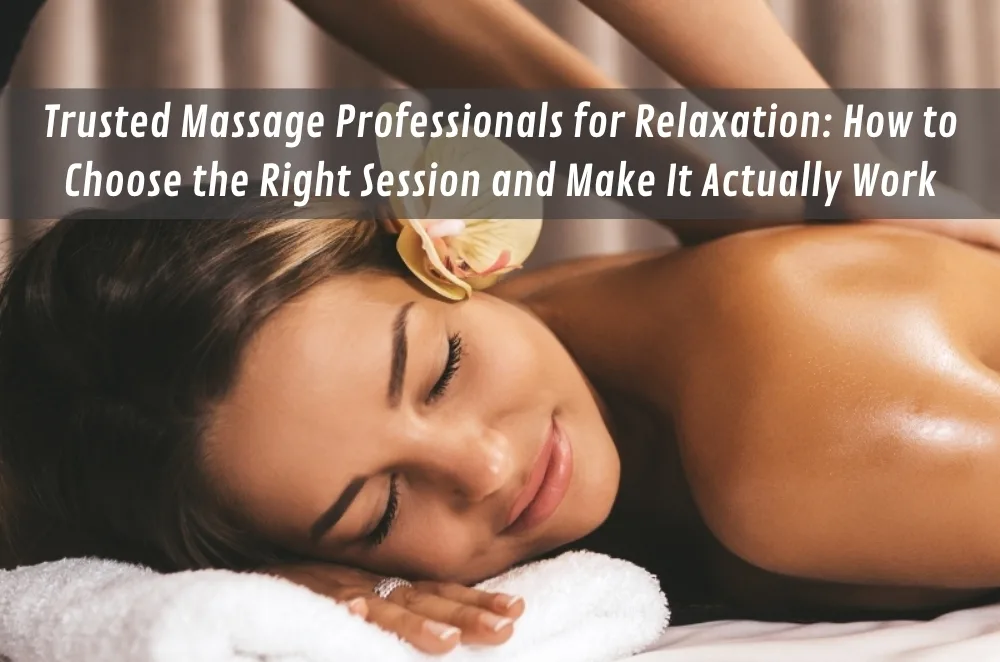
A professional relaxation massage should feel structured without feeling clinical.
It starts with a brief check-in about your goal, pressure preferences, and anything to avoid.
During the session, you should expect respectful communication and the option to adjust pressure.
You should also feel comfortable requesting quiet if you want it.
Afterwards, you should leave feeling more settled, not “done in”.
It’s normal to feel a bit floaty or quiet, especially if you’ve been running on adrenaline.
If you want to check what types of sessions are available and what to ask for when booking, the trusted massage professionals for relaxation page is a helpful reference before you lock in a time.
Simple first-action plan for the next 7–14 days
Day 1–2: Write your one-sentence goal for the session (sleep, unwind, calm mind, general tension release).
Day 2–4: Choose a time that protects the hour after, even if it means booking slightly earlier or later.
Day 4–6: Decide your pressure preference and one or two “avoid” areas if relevant.
Day 6–9: Prepare a simple post-massage landing plan: water, light food, quieter evening, earlier screen-off time.
Day 9–12: Book your session and share your goal when you book, not only when you arrive.
Day 12–14: After the session, note what worked (pressure, pace, time of day) so the next booking is easier.
Operator Experience Moment
The biggest shift often happens when someone stops chasing the “perfect technique” and starts protecting the context. When clients arrive a few minutes early, pick a clear goal, and give themselves a quiet hour afterwards, the same massage tends to feel twice as effective. The body needs permission to stay calm.
Local SMB mini-walkthrough (Pimlico / Townsville scenario)
A Townsville business owner notices they’re tense most evenings and sleeping lightly.
They book a massage on a day with fewer late meetings and avoid scheduling it right before a workout.
They tell the therapist they want a quieter session with moderate pressure, focused on general tension.
After the appointment, they skip errands, drink water, and keep the evening low-key.
They sleep earlier and wake up feeling less wired.
They booked the next session using the same timing, because it suited their week.
Practical Opinions
If you can’t protect the hour after, choose a different day.
Gentler pressure often works better for relaxation than “deep” work.
A clear goal turns a nice massage into a useful one.
Key Takeaways
- Relaxation is easier when you plan timing, pressure, and a small “after” routine.
- Your goal matters: sleep support, mental switch-off, or general tension relief needs slightly different approaches.
- Too much pressure can keep the body braced, so start gentler and adjust.
- A professional session includes consent-led communication and comfort preferences.
- A 7–14 day plan helps you build a repeatable reset routine, not a one-off treat.
Common questions we hear from businesses in Pimlico, Queensland / Townsville, Queensland
How often should I book a massage for relaxation?
Usually, it depends on stress level and budget, but consistency matters more than intensity. A practical next step is to start with a schedule you can maintain, then adjust based on sleep and tension patterns. In Townsville and Pimlico, busy weeks and heat can make regular resets feel more valuable.
What if I feel awkward telling the therapist what I want?
In most cases, therapists prefer clear direction because it helps them tailor the session. A practical next step is to share a one-sentence goal and one pressure preference when booking or at the start. In smaller North QLD communities, choosing a comfortable, respectful environment makes this easier.
Is deep pressure always better for stress relief?
It depends on how your body responds, but deep pressure can sometimes make people brace and stay alert. A practical next step is to start at a moderate pressure and adjust based on how your breathing and shoulders feel. In warm climates like Townsville, overheating can also make deep pressure feel more intense.
What should I do after a relaxation massage to keep the benefits?
Usually the best move is a gentle landing rather than jumping straight back into stress. A practical next step is to drink water, keep the evening lighter, and reduce screens before bed. In Pimlico and Townsville, planning around heat and traffic can also help you stay calm after the session.