Have you ever noticed how a small accessory can say more about a brand than a full brochure?
That’s exactly what’s happening with custom key chains in 2026. Buyers no longer want throwaway merch. They want items that feel intentional, useful, and worth carrying every day.
This post breaks down the design trends shaping the next wave of keychain marketing, what customers actually respond to, and how businesses can use these designs to stay visible without feeling salesy. If you want merch that sticks around, you’re in the right place.
Why Keychain Design Matters More Than Ever
People carry fewer physical items now. That makes every item more valuable. A keychain earns its place only if it looks good, feels right, and serves a purpose.
Modern buyers expect thoughtful design. They notice material quality. They care about shape, weight, and finish. They also want personality. This pushes brands to move beyond flat logos and generic shapes.
Keychains now act as micro-brand touchpoints. They live in pockets, bags, and cars. They show up daily. That repeated exposure builds familiarity quietly. When designed well, they outperform many short-lived digital impressions.
This change explains why businesses invest more time in design choices instead of bulk giveaways. Intentional design creates long-term brand recall.
Design Trends Shaping Keychains in 2026
Trends in 2026 focus on restraint, texture, and function. Loud designs fade fast. Clean forms last longer.
Minimalist layouts dominate. Think fewer colors, stronger contrast, and readable marks. Soft-touch finishes and matte acrylic surfaces feel premium without adding cost. Rounded edges improve comfort and reduce wear.
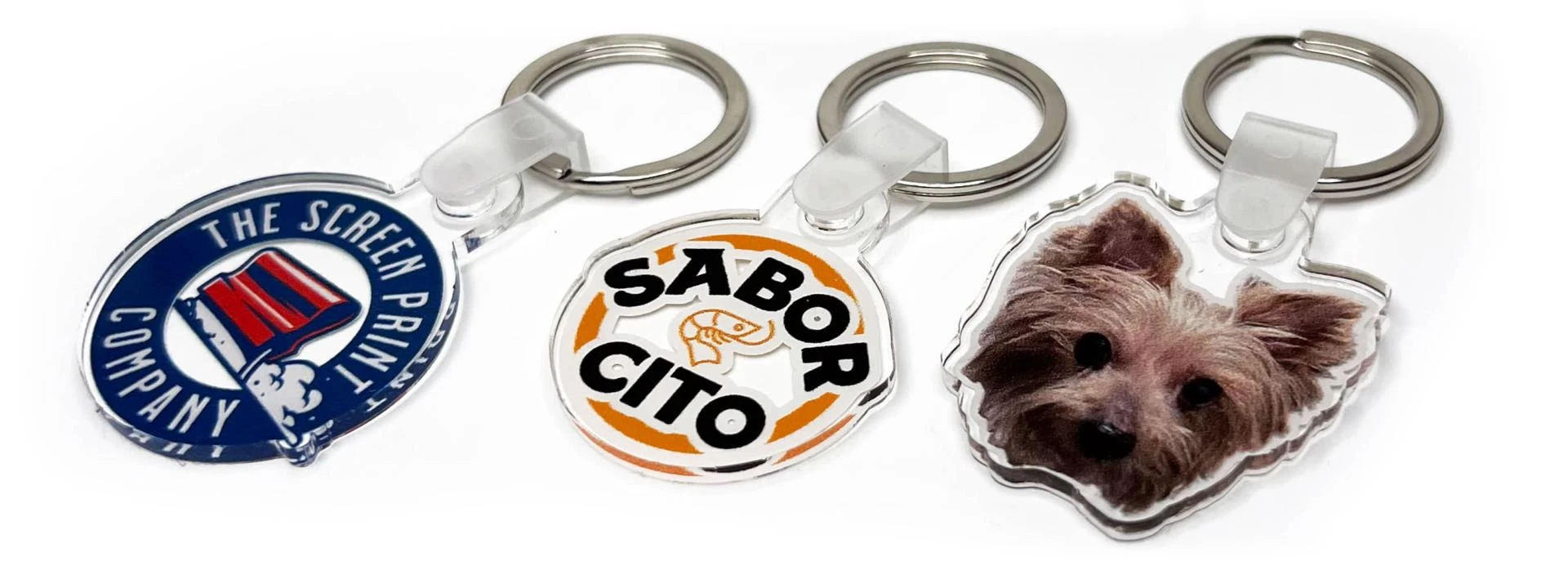
Another trend gaining traction is layered depth. Transparent acrylic layers with embedded graphics create visual interest without clutter. This technique works well for logos and icons. Functional design also matters more. Bottle openers, QR integrations, and detachable clips add value. When a keychain solves a small problem, people keep it longer.
Brands that adapt these trends turn everyday accessories into long-term brand assets.
Materials People Actually Want to Carry
Material choice shapes perception instantly. In 2026, acrylic remains popular because it balances durability, color clarity, and cost. But buyers expect better finishing now.
Polished edges signal quality. Frosted surfaces add subtle texture. Clear bases with bold graphics feel modern and collectible.
Metal accents also trend upward. Even small metal rings or clasps elevate the look. Silicone options appeal to casual brands but require strong color discipline.
Sustainability influences decisions, too. Recyclable materials and responsible sourcing matter, especially for younger audiences.
When selecting materials, brands focus less on price alone and more on how the item feels in the hand. That tactile moment matters.
How Custom Key Chains Fit Into Modern Branding
Custom key chains as everyday brand reminders
This is where custom key chains shine. They don’t interrupt. They integrate.
Unlike flyers or ads, they become part of daily routines. Every unlock, every drive, every bag check reinforces familiarity. That repetition builds trust naturally.
Brands use them across touchpoints. Welcome kits. Event swag. Loyalty rewards. Online order inserts. Each use reinforces the same identity.
What matters most is alignment. The design must match the brand tone. Playful brands lean bold. Premium brands lean subtly. When design matches identity, the item feels intentional, not promotional.
That’s why thoughtful brands treat keychains as brand extensions, not just merch.
Where Businesses Use Keychains Most Effectively
Smart placement matters as much as design. Retail brands include them in packaging to enhance unboxing. Service businesses use them as appointment reminders. Events use them as keepsakes instead of disposable swag.
Online sellers add them as order bonuses. That small surprise increases perceived value. It also boosts repeat purchases.
Some brands even use serialized designs. Limited runs create collectability. That drives sharing and organic exposure. When paired with thoughtful distribution, a simple accessory becomes a retention tool.
Design Mistakes That Still Hurt Results
Even in 2026, some mistakes persist.
- Overcrowded designs confuse the eye. Tiny text goes unread. Cheap hardware breaks trust instantly.
- Another issue is trend chasing without context. Not every trend fits every brand. A playful design on a serious brand feels off.
- Skipping usability testing also hurts. If it scratches, bends, or fades fast, it gets removed.
Strong results come from balance. Clear message. Solid build. Consistent branding.
FAQs
What makes a keychain design trend-ready in 2026?
Clean layouts, quality materials, and functional value define current trends. Buyers expect items that feel intentional and durable.
Are acrylic designs still popular?
Yes. Acrylic remains popular due to clarity, versatility, and affordability. Finishing quality now matters more than ever.
How do businesses track keychain effectiveness?
Many add QR codes or unique URLs. This helps measure engagement from physical touchpoints.
Do keychains work for premium brands?
They do when designed thoughtfully. Minimalist styles and quality hardware support premium positioning.
How often should designs be refreshed?
Most brands update annually or seasonally. Consistency matters more than constant change.
Final Thoughts
Trends change, but usefulness never goes out of style. In 2026, the most effective designs balance form, feel, and function. When done right, custom key chains become daily reminders, not disposable swag.
The right partner helps translate trends into tangible results. Now’s the time to rethink small merch. Design intentionally. Distribute strategically.
Let everyday items carry your brand forward!