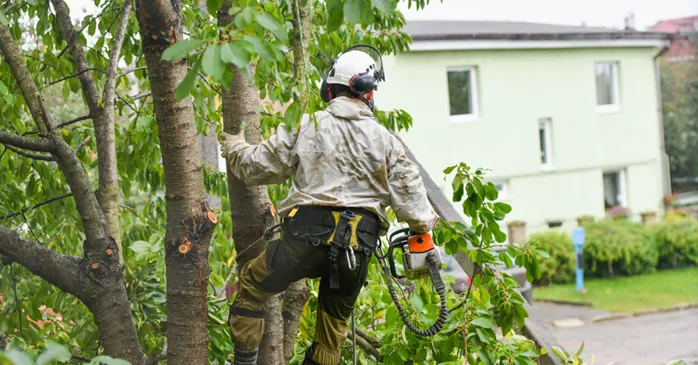
For most Houston homeowners, a large tree is a centerpiece of the landscape that adds both shade and value. However, the line between a beautiful asset and a structural liability can be thin, especially when extreme weather or age begins to take a toll. Dealing with a tree service emergency is often less about a sudden disaster and more about recognizing a gradual shift in the tree's stability. When a heavy limb begins to sag or a trunk develops an unexpected lean, the threat to your roofline and family safety becomes a technical problem that requires a fast, professional solution.
Recognizing the Signs of Structural Instability
A tree rarely fails without leaving physical evidence of its decline. To avoid a crisis, homeowners should periodically inspect their canopy for specific "red flags." Look for deep cracks in the bark or "included bark" at the crotch of a tree where two trunks meet. These V-shaped unions are significantly weaker than U-shaped ones and are the most common points of failure during high winds. Additionally, watch for "heaving" soil at the base, which suggests the root plate is no longer anchored securely to the earth.
The Physics of Tree Failure
A mature Oak or Pine can weigh several tons, and much of that weight is concentrated in the upper canopy. When a tree is healthy, it flexes with the wind. However, when internal rot or deadwood is present, the tree loses its flexibility. According to the National Weather Service, even moderate gusts can create enough leverage to snap a compromised trunk. In an urban environment, this weight is usually directed toward the nearest structure—your home. Understanding the weight distribution of your trees is the first step in thwarting a potential threat.
Preventative Measures vs. Emergency Response
The most effective way to handle a threat is to address it before it becomes an emergency. Standard maintenance, such as "crown thinning," reduces the wind-sail effect, allowing air to pass through the branches rather than pushing against them. However, when a storm is already moving in, you need a tree emergency service that can perform "triage" on your property. This involves identifying the most immediate risks and using specialized rigging to stabilize or remove limbs before they make contact with your shingles.
What to Do When a Threat is Imminent
If you identify a hazardous tree during a weather event, safety must be your absolute priority. Do not attempt to inspect the damage closely while the wind is blowing.
· Clear the Area: Ensure all family members and pets are away from the side of the house adjacent to the tree.
· Avoid Utility Lines: If a tree is leaning toward power lines, stay back at least 35 feet and notify your local energy provider immediately.
· Consult a Professional: Emergency removals are high-risk operations. According to OSHA, these tasks require specialized equipment and certified climbers to ensure the limb is lowered safely without causing further impact damage.
Your Safety, Our Mission: The Czar’s Promise
At The Lone Star Tree Czar, we believe that professional tree care is a matter of public safety. We built our reputation on veteran-owned integrity, focusing on honest assessments rather than fear-based sales. Our "results-first" approach ensures that you are never left in the lurch during a crisis. Our policy remains the same: you don't pay a single cent until the hazard is cleared and you are 100% satisfied with the work. Let’s secure your property together so you can have total peace of mind regardless of the weather.