If you are planning a journey from Britain to India, amritsar city india deserves serious consideration for a culturally rich short stay. In Punjab, Amritsar brings together the Golden Temple, Sikh heritage, important sites from India’s modern history, Punjabi food, colourful markets and a very different pace from India’s larger metropolitan cities.
Why Amritsar Is Worth Adding to an India Trip
Amritsar is especially appealing to travellers who want more than sightseeing. The city offers opportunities to understand Sikh traditions, explore the legacy of Partition and experience everyday Punjabi culture within a relatively compact destination.
The Golden Temple is the obvious centrepiece, but it is only part of the experience. The surrounding old city, historic landmarks, food streets and bazaars give visitors plenty of reasons to slow down rather than rush from one attraction to another.
For UK travellers, Amritsar can also work well as a starting or finishing point for a wider North India itinerary. Depending on your route, it can be combined with Delhi, Agra, Jaipur or other destinations across Rajasthan and Punjab.
The Golden Temple: The Heart of the City
Visit at More Than One Time of Day
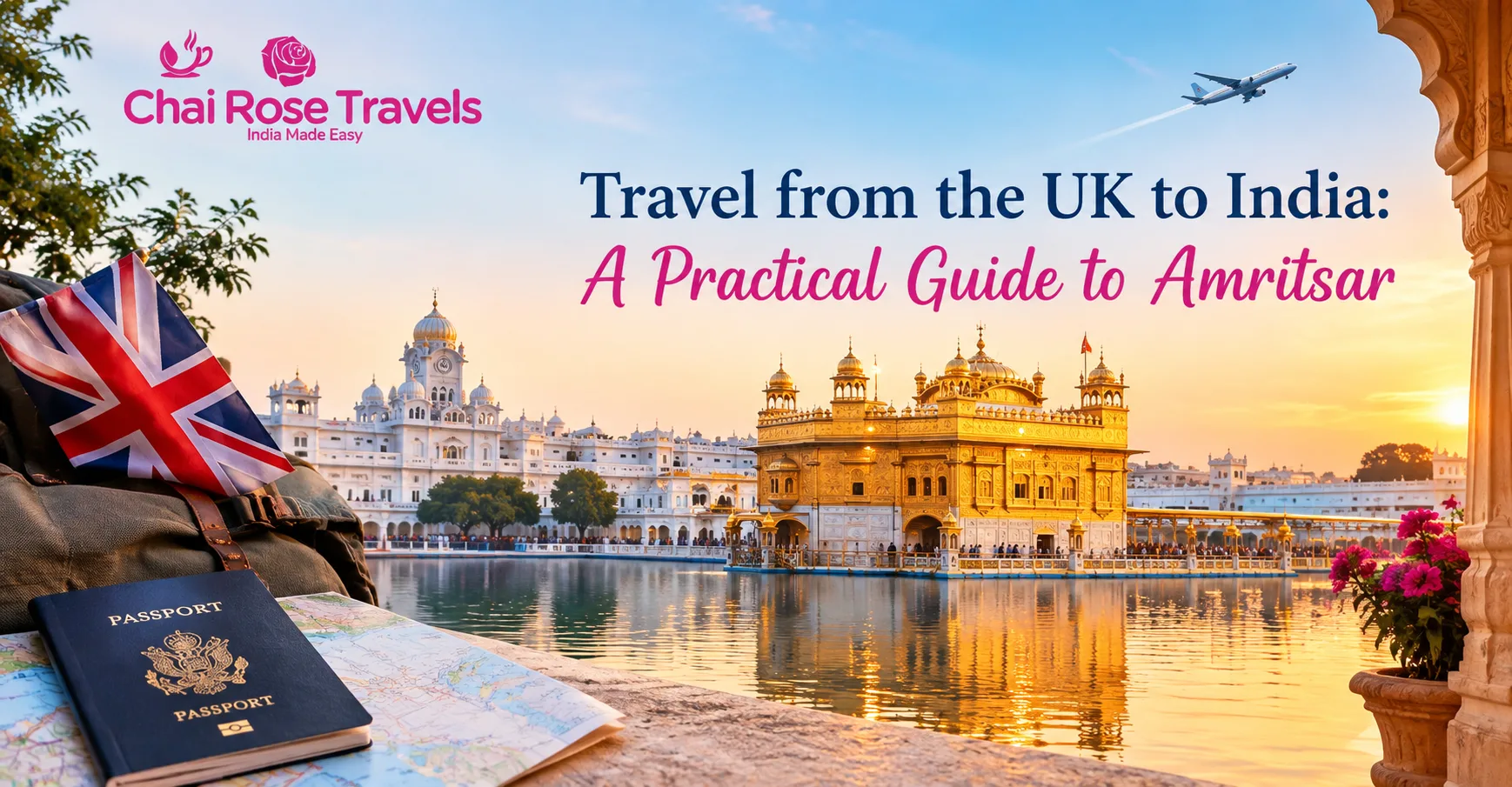
Sri Harmandir Sahib, widely known as the Golden Temple, is the spiritual heart of Amritsar and one of the most significant Sikh places of worship. Its golden architecture reflected in the Amrit Sarovar creates a striking scene, particularly when the surroundings are quieter.
Rather than treating the temple as a quick photo stop, allow enough time to experience the atmosphere. Early morning can feel particularly peaceful, while an evening visit offers a completely different view as the illuminated shrine reflects across the sacred pool.
Understand Temple Etiquette
Visitors of all faiths are welcome, but respectful behaviour matters.
- Cover your head before entering.
- Remove your shoes as required.
- Dress modestly.
- Follow photography restrictions where displayed.
- Avoid loud conversations inside sacred areas.
- Treat worshippers and religious ceremonies with respect.
The Golden Temple also provides a chance to experience langar, the community kitchen where meals are served as an expression of equality and selfless service.
Jallianwala Bagh and India's Difficult History
Jallianwala Bagh is one of the most important historical sites in Amritsar. On 13 April 1919, British troops under General Dyer opened fire on a gathering of unarmed people, making the site a painful part of India's colonial history.
For UK visitors, this stop deserves particular thought because it connects directly with the history of British rule in India. It is not simply another attraction to photograph; it is a place where understanding the historical context adds meaning to the visit.
Allow time to walk through the memorial quietly and read the information provided. Pairing the visit with the Partition Museum can give you a broader understanding of the events that shaped modern India.
The Partition Museum and the Story of 1947
The Partition Museum explores the human impact of the 1947 division of British India into India and Pakistan. Its collections focus on personal stories, migration, displacement and the experiences of communities affected by Partition.
This makes the museum particularly valuable for travellers interested in family history, British-Indian history or South Asian culture. Even visitors without a personal connection to Partition can gain a better understanding of why the history of Punjab remains so important today.
A useful approach is to visit Jallianwala Bagh and the Partition Museum on the same day. Both are close to the Golden Temple area, making it easier to build a focused historical itinerary.
What to Know About Wagah-Attari Border
The Wagah-Attari border ceremony is traditionally one of the best-known excursions from Amritsar. The ceremonial closing of the border has long attracted visitors because of its military drills, music and patriotic atmosphere.
However, travel conditions can change, and this is especially important right now. As of September 2026, the UK Foreign, Commonwealth & Development Office advises against all travel within 10 kilometres of the India-Pakistan border and states that the Wagah-Attari border crossing is closed.
Do not build your itinerary around the ceremony without checking the latest official advice immediately before travelling. If restrictions change, follow local authorities and current FCDO guidance rather than relying on older travel articles.
Discover Punjabi Food in Amritsar
Food is one of the easiest ways to connect with local culture. Amritsar is known for hearty Punjabi dishes, rich flavours and generous portions.
Look out for:
- Amritsari kulcha served with chickpeas and accompaniments.
- Dal makhani cooked slowly for a rich texture.
- Paneer tikka for a vegetarian option.
- Chole bhature for a filling breakfast or lunch.
- Punjabi lassi, available in sweet or savoury styles.
- Tandoori dishes cooked in traditional ovens.
You do not need to plan every meal around famous restaurants. Some of the most enjoyable experiences can come from trying busy local eateries, traditional dhabas and food markets while keeping basic hygiene precautions in mind.
Markets, Architecture and Everyday Life
Amritsar becomes more interesting when you step beyond its headline attractions. The old city has busy lanes, traditional shops, colourful textiles and markets selling everything from Punjabi clothing to handicrafts.
Hall Bazaar and Katra Jaimal Singh are useful areas for browsing traditional products, while local shops can be a good place to look for phulkari embroidery, Punjabi suits, juttis and small souvenirs. Chai Rose Travels also highlights Amritsar's shopping areas, heritage attractions and food experiences as part of its destination information.
Take your time rather than trying to cover every market. A relaxed walk, a local meal and a little people-watching can reveal a side of Amritsar that organised sightseeing often misses.
When Should UK Travellers Visit Amritsar?
The most comfortable period for many visitors is during the cooler months, particularly from late autumn through winter. Temperatures can be more manageable for walking, sightseeing and spending time outdoors.
Consider the Season Carefully
- October to November: Generally more comfortable for exploring, with festive activity in parts of India.
- December to February: Cooler weather can make sightseeing pleasant, although mornings and evenings may feel chilly.
- March: Temperatures begin rising, but conditions can still be suitable for travel.
- April to June: Heat can become intense, so outdoor sightseeing requires more planning.
- Monsoon months: Rain and humidity may affect travel plans, although conditions vary.
Festival dates can also change the atmosphere and demand for accommodation. Check dates before booking if you want to experience a particular celebration.
How Long Should You Spend in Amritsar?
Two or three nights is a sensible starting point for most first-time visitors. That gives you enough time for the Golden Temple, Jallianwala Bagh, the Partition Museum, food experiences and relaxed exploration without making the trip feel rushed.
A Simple Three-Day Plan
Day 1:
Arrive, settle into your accommodation and explore the Golden Temple area. Return to the Golden Temple in the evening if your schedule allows.
Day 2:
Visit Jallianwala Bagh and the Partition Museum, then spend time exploring markets and trying Punjabi food.
Day 3:
Use the morning for a slower cultural experience, shopping or another temple visit. Keep the afternoon flexible for onward travel or changes caused by weather and transport.
If border-area restrictions remain in place, use the extra time for city-based heritage and cultural experiences instead of planning a visit to Wagah.
Getting to Amritsar From the UK
Amritsar is served by Sri Guru Ram Dass Jee International Airport, making air travel the most straightforward option for many international visitors. Flight availability changes by season, airline schedules and departure airport, so compare routes rather than assuming one UK airport will always be the cheapest or fastest option.
You can also reach Amritsar by domestic flight or train when connecting from another Indian city. Delhi is a particularly useful gateway for travellers combining Amritsar with the Golden Triangle.
When planning a multi-city itinerary, consider travel time as well as distance. India is large, and an itinerary that looks simple on a map can involve long journeys.
Visa and Entry Planning for UK Travellers
British citizens generally need an Indian visa unless they qualify for an exemption such as holding an OCI card. The UK government advises travellers to check the latest Indian entry requirements because visa rules, documents and procedures can change.
The Indian government’s official visa portal is the safest place to check eligibility and apply for an e-Visa where appropriate. Foreign travellers also need to pay attention to the separate e-Arrival process, which is not a replacement for a visa.
Before departure, check:
- Passport validity.
- Visa or OCI requirements.
- Airline documentation requirements.
- Current UK travel advice.
- Entry and arrival procedures.
- Travel insurance conditions.
Do this before booking non-refundable arrangements.
Practical Tips for a Smoother Trip
Amritsar can be easy to explore, but a little preparation makes a noticeable difference.
Stay near the Golden Temple: This reduces unnecessary travel and makes early or evening visits easier.
Carry some Indian rupees: Cards and digital payments are increasingly common, but small vendors and transport providers may still prefer cash.
Dress for the weather: Lightweight clothing works during hotter months, while winter evenings can require an extra layer.
Use reputable transport: For airport transfers and longer excursions, arrange transport through a trusted provider or your accommodation.
Keep your itinerary flexible: Weather, traffic, flight delays and local restrictions can affect plans.
Respect religious spaces: Amritsar is deeply connected with Sikh faith and traditions, so cultural awareness should be part of your travel planning.
Common Mistakes to Avoid
One common mistake is trying to see everything in one day. Amritsar rewards slower travel, particularly around the Golden Temple and its surrounding heritage sites.
Another mistake is relying on outdated information about border excursions. The current FCDO warning concerning the India-Pakistan border means travellers must check official advice rather than copying an old itinerary from a blog or social media post.
Other mistakes include:
- Visiting religious sites without checking etiquette.
- Booking every activity before understanding travel times.
- Ignoring the heat when planning midday sightseeing.
- Leaving visa checks until the last minute.
- Assuming historical sites are simply photo opportunities.
- Forgetting to allow recovery time after a long UK-to-India flight.
Planning a Wider India Holiday
Amritsar works particularly well when combined with other North Indian destinations. A longer trip could include Delhi for major historical landmarks, Agra for the Taj Mahal and Jaipur for Rajasthan's forts, palaces and markets.
Families may prefer a slower itinerary with fewer hotel changes, while couples can combine cultural sightseeing with boutique stays and relaxed evenings. Solo travellers may appreciate the compact nature of the central heritage area, provided they plan transport and accommodation carefully.
The best itinerary is rarely the one with the largest number of destinations. Give each place enough time to feel different rather than spending most of the holiday travelling between hotels and airports.
Conclusion
For UK travellers looking for a meaningful Indian experience, Amritsar combines spirituality, history, food and Punjabi culture in a compact destination that can fit naturally into a wider India holiday. Plan around the Golden Temple, give the city's historical sites the attention they deserve, check current travel restrictions and leave room for spontaneous local experiences. For anyone searching for an Amritsar travel guide, the key is simple: travel thoughtfully, verify current official advice and allow enough time to experience the city rather than merely passing through.
FAQs About Visiting Amritsar
Is Amritsar suitable for a first trip to India?
Yes. Its major cultural and historical attractions are concentrated around a manageable area, making it easier to plan than some larger Indian cities. It also offers a strong introduction to Sikh heritage, Punjabi cuisine and India's modern history.
How many nights should I book in Amritsar?
Two nights can cover the main highlights, while three nights gives you more breathing room. A longer stay makes sense if you enjoy food, photography, shopping, heritage and slower cultural experiences.
Is the Golden Temple free to visit?
The Golden Temple is a place of worship rather than a conventional ticketed attraction. Visitors should follow the site's rules on clothing, head covering, footwear, photography and behaviour.
Can I visit Wagah Border from Amritsar?
The situation can change. As of September 2026, the FCDO advises against all travel within 10 kilometres of the India-Pakistan border and states that the Wagah-Attari crossing is closed. Check the latest official advice before considering any border-area excursion.
What food should I try in Amritsar?
Amritsari kulcha, dal makhani, paneer dishes, chole bhature and lassi are good starting points. Try a mixture of established eateries and local food experiences while choosing places with good hygiene standards.