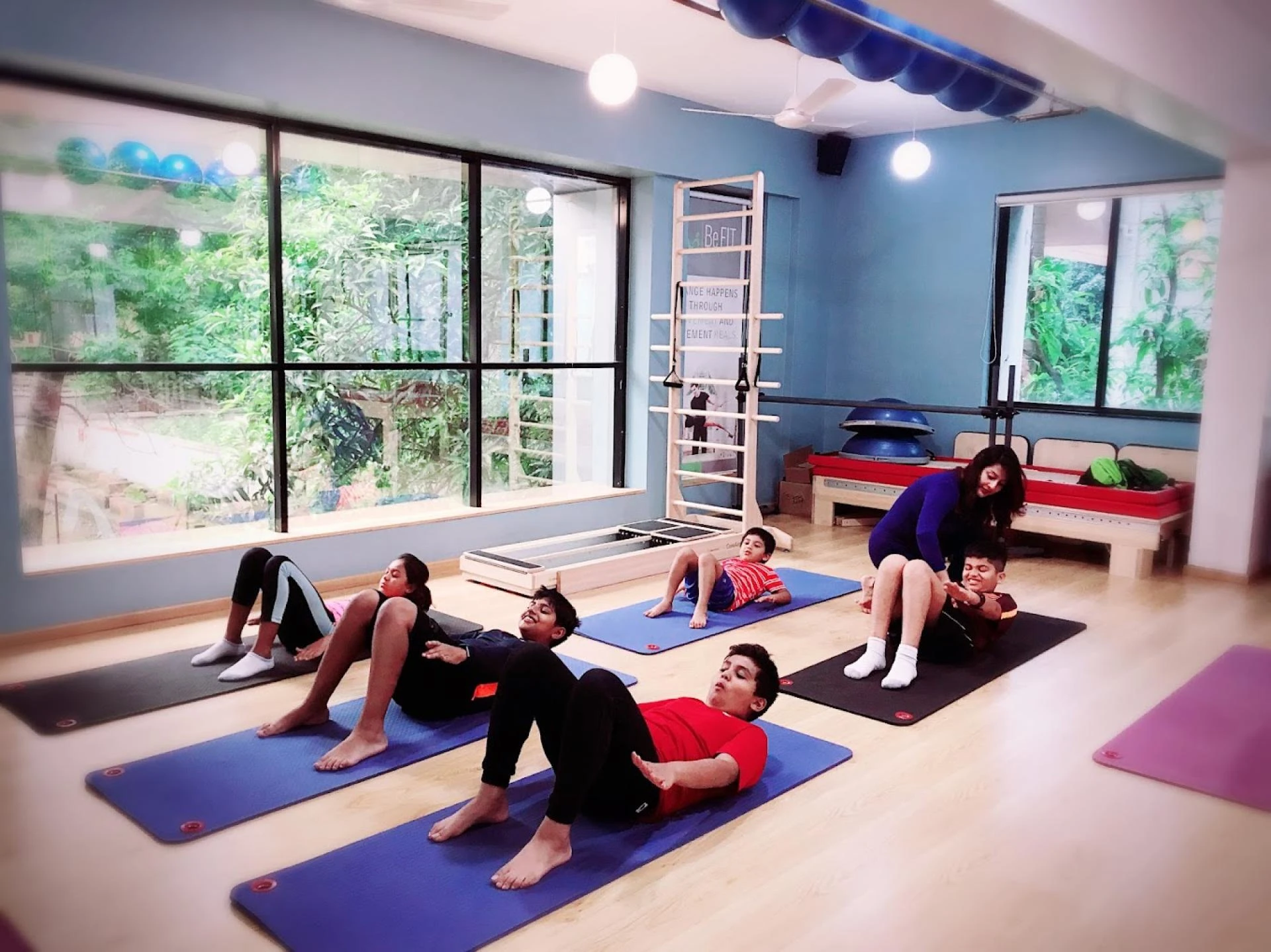

Pilates is a widely recognized exercise method that enhances strength, flexibility, and overall body awareness. Among the many pieces of equipment used in Pilates, the trapeze table stands out as one of the most versatile and effective apparatuses. It offers a range of exercises that target different muscle groups, making it beneficial for individuals of all fitness levels. This article explores the features, benefits, and uses of the trapeze table in Pilates practice.
What is a Trapeze Table?
A trapeze table, also known as a Cadillac, is a Pilates apparatus designed to facilitate a variety of exercises that involve resistance, support, and suspension. It consists of a raised, padded platform surrounded by a sturdy frame with various bars, straps, springs, and pulleys. These attachments enable users to perform exercises that focus on core stability, muscle strength, and flexibility.
Key Features of the Trapeze Table
The trapeze table Pilates is distinguished by its multiple components, each serving a specific function:
- Vertical and Horizontal Bars: Provide support for hanging and stretching exercises.
- Springs and Resistance Attachments: Offer adjustable levels of resistance for strengthening muscles.
- Push-Through Bar: Assists with controlled movements to improve flexibility and coordination.
- Fuzzy Straps: Allow users to suspend their legs for relaxation and strengthening exercises.
- Sliding Trapeze: Facilitates dynamic movements that enhance balance and stability.
These features make the trapeze table suitable for a wide range of movements, from gentle stretching to advanced strength training.
Benefits of Using a Trapeze Table in Pilates
Incorporating the trapeze table into a Pilates routine offers numerous benefits for practitioners of all levels. Some of the key advantages include:
1. Enhanced Core Strength
The trapeze table encourages controlled movements that engage the core muscles, leading to improved strength and stability. Exercises such as leg springs and roll-downs specifically target the abdominal muscles, promoting better posture and balance.
2. Improved Flexibility
The apparatus supports a variety of stretching exercises that lengthen the muscles and enhance flexibility. The push-through bar and straps allow users to deepen their stretches safely, reducing muscle tightness and increasing range of motion.
3. Rehabilitation and Injury Prevention
The trapeze table is widely used in rehabilitation settings due to its ability to provide support and controlled resistance. It helps individuals recovering from injuries by allowing them to perform low-impact exercises that strengthen muscles without excessive strain.
4. Full-Body Conditioning
Unlike some workout methods that focus on isolated muscle groups, the trapeze table promotes full-body engagement. Exercises involve coordinated movements that strengthen the arms, legs, back, and core, leading to overall muscle balance and improved functional fitness.
5. Increased Stability and Control
By using the bars and springs for resistance, users learn to control their movements more effectively. This increased body awareness translates to better coordination and stability, reducing the risk of falls and injuries in daily activities.
6. Customizable Workouts
The adjustable nature of the trapeze table allows practitioners to modify exercises based on their fitness level and specific needs. The intensity can be easily adjusted by changing the resistance of the springs or altering the positioning of the body.
Common Exercises on the Trapeze Table
There are numerous exercises that can be performed on the trapeze table, catering to beginners and advanced practitioners alike. Some popular movements include:
- Leg Springs Series: Involves controlled leg movements using spring resistance to strengthen the lower body.
- Roll Down with Push-Through Bar: Enhances spinal mobility and core engagement.
- Hanging Pull-Ups: Focuses on upper body strength and control.
- Mermaid Stretch: Improves flexibility in the spine and side body.
- Teaser with Fuzzy Straps: Challenges balance and core strength while engaging the entire body.
Who Can Benefit from Trapeze Table Pilates?
The trapeze table is suitable for a diverse range of individuals, including:
- Beginners: Provides support and stability, making it easier to perform exercises correctly.
- Athletes: Enhances strength, coordination, and flexibility to improve performance.
- Seniors: Offers low-impact exercises that support mobility and joint health.
- Individuals in Rehabilitation: Assists with controlled movement to aid in recovery and prevent further injuries.
- Advanced Pilates Practitioners: Allows for challenging exercises that deepen body awareness and muscle engagement.
Incorporating the Trapeze Table into a Pilates Routine
To maximize the benefits of the trapeze table, it is essential to incorporate it into a well-rounded Pilates routine. Here are some tips for effective practice:
- Start with Basic Movements: Beginners should focus on foundational exercises to build strength and familiarity with the equipment.
- Use Proper Form: Engaging the core and maintaining proper alignment ensures safety and effectiveness.
- Adjust Resistance as Needed: Modifying the tension of springs helps tailor the workout to individual needs.
- Work with a Certified Instructor: A trained professional can provide guidance and ensure correct technique.
- Combine with Mat Pilates: Integrating mat-based exercises enhances overall strength and flexibility.
Conclusion
The trapeze table is a powerful tool in the world of Pilates, offering a range of exercises that improve strength, flexibility, and overall body awareness. Its versatility makes it suitable for people of all fitness levels, from beginners to advanced practitioners. Whether used for rehabilitation, full-body conditioning, or core strengthening, this apparatus provides a dynamic and effective workout experience. By incorporating the trapeze table into a regular Pilates routine, individuals can enhance their physical well-being and achieve a greater sense of body control and alignment.