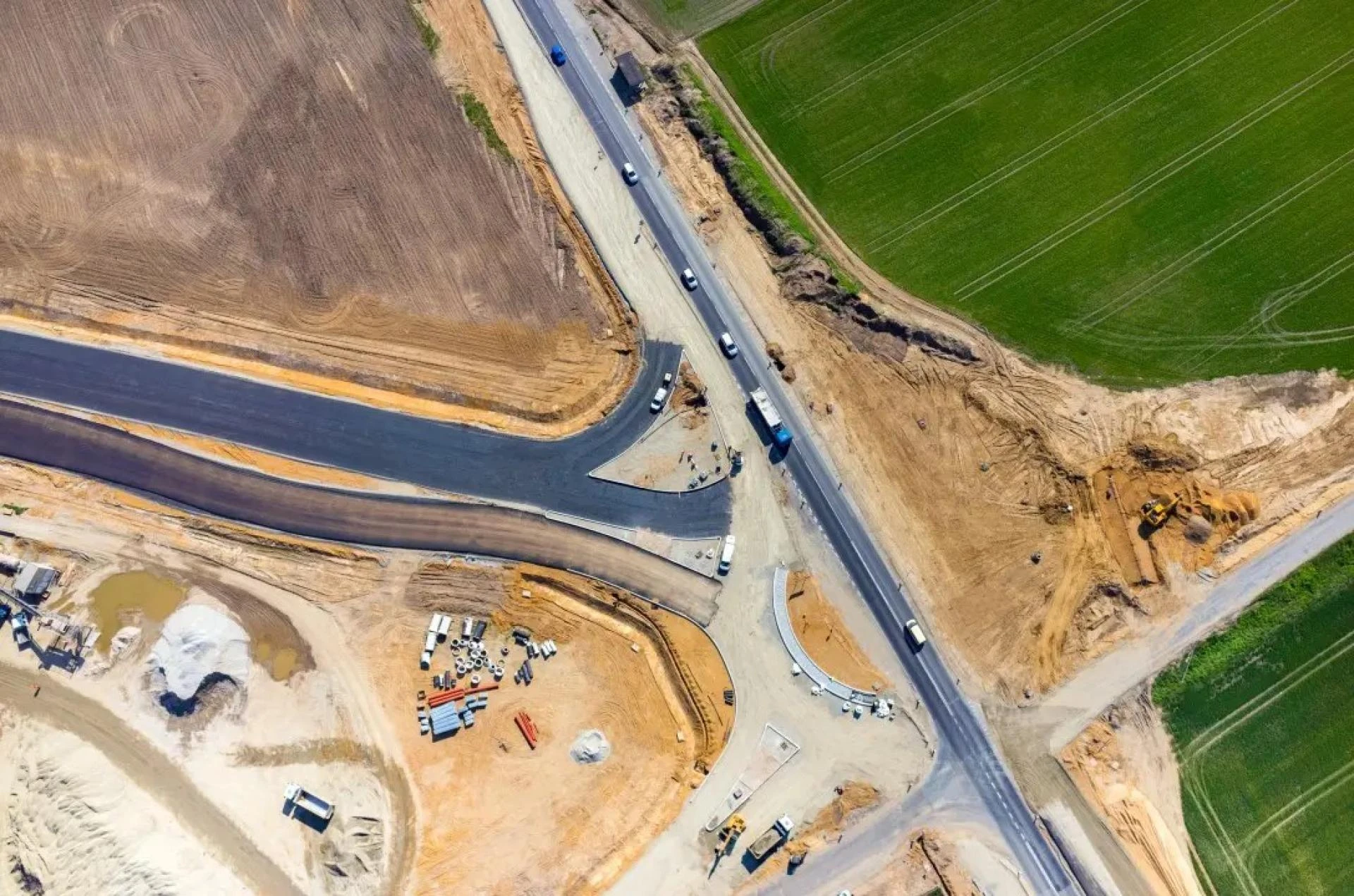
The agricultural industry is continuously evolving, and one of the most significant technological advancements in recent years is drone agriculture mapping. This innovative method not only streamlines farming operations but also enhances crop management and environmental sustainability. In this blog post, we will delve deep into what drone agriculture mapping is, its benefits, applications, and its future in the world of agriculture.
What is Drone Agriculture Mapping?
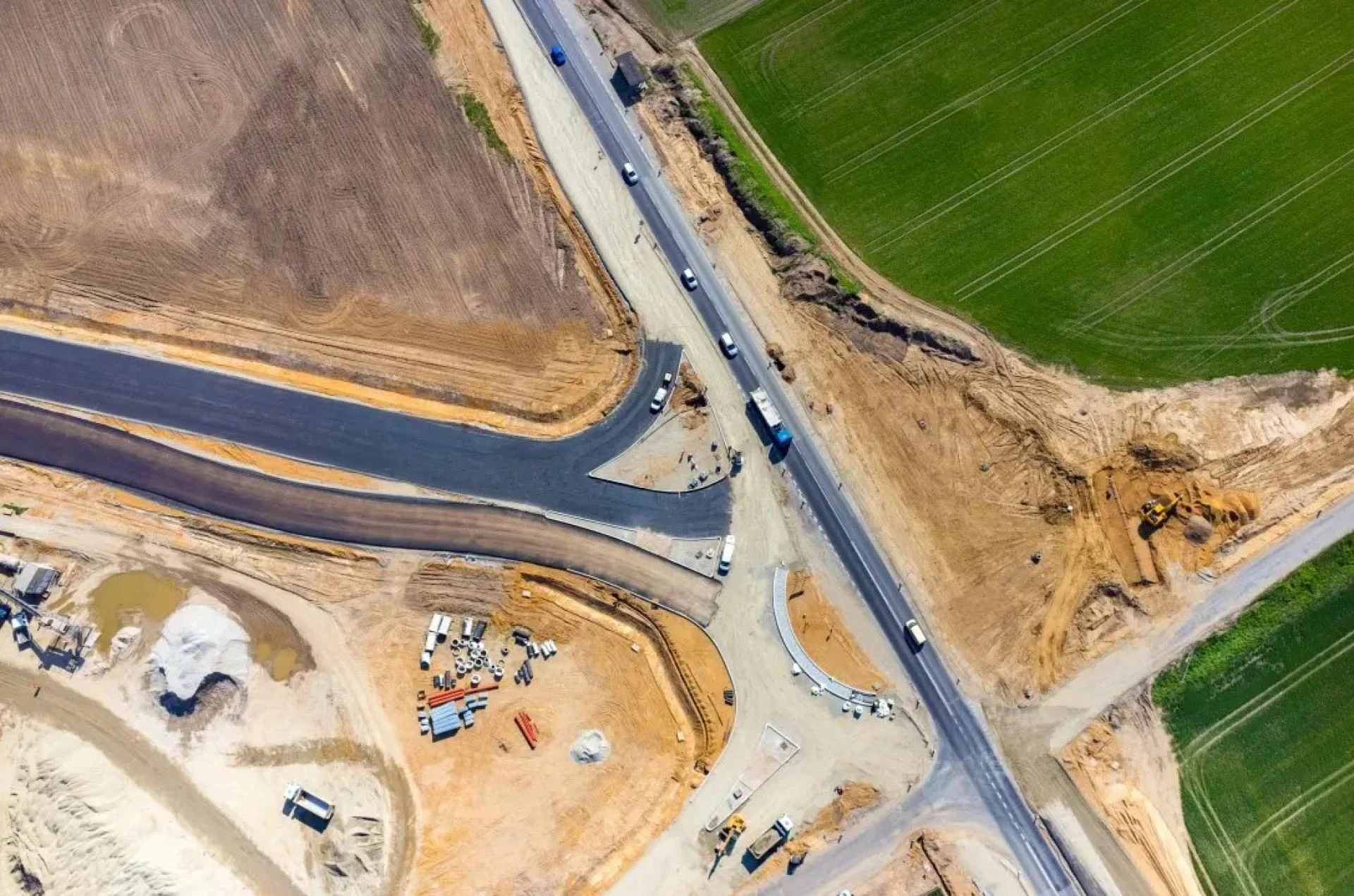
Drone agriculture mapping involves the use of unmanned aerial vehicles (UAVs), commonly known as drones, to collect geospatial information across agricultural fields. Equipped with cameras and sensors, these drones capture high-resolution images and data that can be used to create detailed maps of farmland. These maps provide insights into plant health, soil conditions, and crop types, allowing farmers to make informed decisions.
How Drone Agriculture Mapping Works
Drone mapping typically follows these steps:
- Planning the Flight: Farmers outline the area to be mapped, establish flight paths, and set parameters for data collection. This planning is crucial for efficient mapping and ensuring comprehensive coverage of the agricultural area.
- Data Collection: Drones equipped with multispectral cameras capture images of the farmland from above. The data collected can include visible light imagery, infrared imagery, and thermal data.
- Data Processing: The images captured are processed using specialized software to generate maps and reports that highlight various metrics such as crop health, moisture levels, and area coverage.
- Analysis and Decision Making: Farmers analyze the data to identify areas requiring attention. This analysis can include identifying pest infestations, nutrient deficiencies, or irrigation issues.
Benefits of Drone Agriculture Mapping
1. Precision Agriculture
One of the primary benefits of drone agriculture mapping is its contribution to precision agriculture. By providing detailed maps and data, farmers can apply water, fertilizers, and pesticides more precisely and effectively, optimizing resources and minimizing waste.
2. Cost-Efficiency
While purchasing drones and the associated technology may require an initial investment, the long-term savings are significant. Farmers can reduce their operating costs by applying inputs more efficiently, thus increasing profits.
3. Time-Saving
Conducting field surveys and assessments manually can be incredibly time-consuming. Drones can map large areas of farmland in a fraction of the time, allowing farmers to focus on other crucial aspects of their operations.
4. Enhanced Crop Management
Drones help in early detection of crop issues by providing real-time data. Farmers can identify problems before they escalate, ensuring better crop yields and quality.
5. Environmental Monitoring
With increasing concerns about sustainability in agriculture, drones play a vital role in environmental monitoring. They enable farmers to assess the impact of their practices on the surrounding ecosystem, facilitating more sustainable farming operations.
Applications of Drone Agriculture Mapping
1. Crop Health Monitoring
Drones can detect variations in crop health, which can be crucial for maximizing yield. Using multispectral imaging, farmers can view their crops in different wavelengths, allowing for the assessment of plant health that is not visible to the naked eye.
2. Soil Analysis
Understanding soil conditions is essential for effective farming. Drones can gather data on soil moisture levels and composition, enabling precise soil management.
3. Irrigation Management
Drones can help monitor irrigation efficiency and effectiveness. By assessing moisture levels across vast fields, farmers can optimize their irrigation practices, preventing over- or under-watering.
4. Pest and Disease Detection
Early detection of pests and diseases is critical for preventing crop damage. Drones equipped with thermal cameras can identify stressed plants, allowing farmers to act quickly to mitigate threats.
5. Yield Estimation
At the end of each growing season, predicting yields is vital for planning. Drones can estimate yields accurately based on data collected, assisting farmers in making informed marketing and selling decisions.
The Future of Drone Agriculture Mapping
The future of agriculture is undeniably tied to the advancement of technology. As drone technology continues to evolve, we can expect improvements in data accuracy, processing speed, and operational efficiency. Additionally, the integration of artificial intelligence (AI) and machine learning into drone mapping will further enhance decision-making capabilities, providing farmers with specific recommendations based on collected data.
FAQs about Drone Agriculture Mapping
1. How much does drone agriculture mapping cost?
The cost can vary significantly depending on factors such as the type of drone used, the software needed for data processing, and whether you plan to purchase or lease the equipment. Prices typically range from a few thousand to tens of thousands of dollars.
2. Do I need a license to operate a drone for agriculture?
Yes, in many countries, you need to follow aviation regulations that require a drone operator to have a pilot’s license or certification, especially when flying for commercial purposes. It’s essential to check local regulations before operating a drone.
3. What types of sensors are used in agricultural drones?
Agricultural drones commonly use various types of sensors, including multispectral, thermal, and RGB cameras, each designed for specific types of data collection.
4. Can drone agriculture mapping be used for large-scale farms?
Absolutely! Drones are ideally suited for large-scale farms since they can cover vast areas in a short time, providing crucial data and insights to farmers efficiently.
5. How often should I conduct drone mapping on my farm?
The frequency of drone mapping can depend on various factors, including the type of crop and the specific agricultural goals. Generally, it can be beneficial to conduct mapping throughout the growing season to monitor progress and address issues as they arise.
Conclusion
Drone agriculture mapping is revolutionizing the agricultural landscape by providing farmers with the tools they need to enhance productivity, efficiency, and sustainability. As technology continues to advance, the capabilities of drones in agriculture are likely to grow, offering even more benefits for farmers striving to meet the demands of a growing population while minimizing their environmental impact. Embracing this technology is no longer a luxury but a necessity for modern farming.