
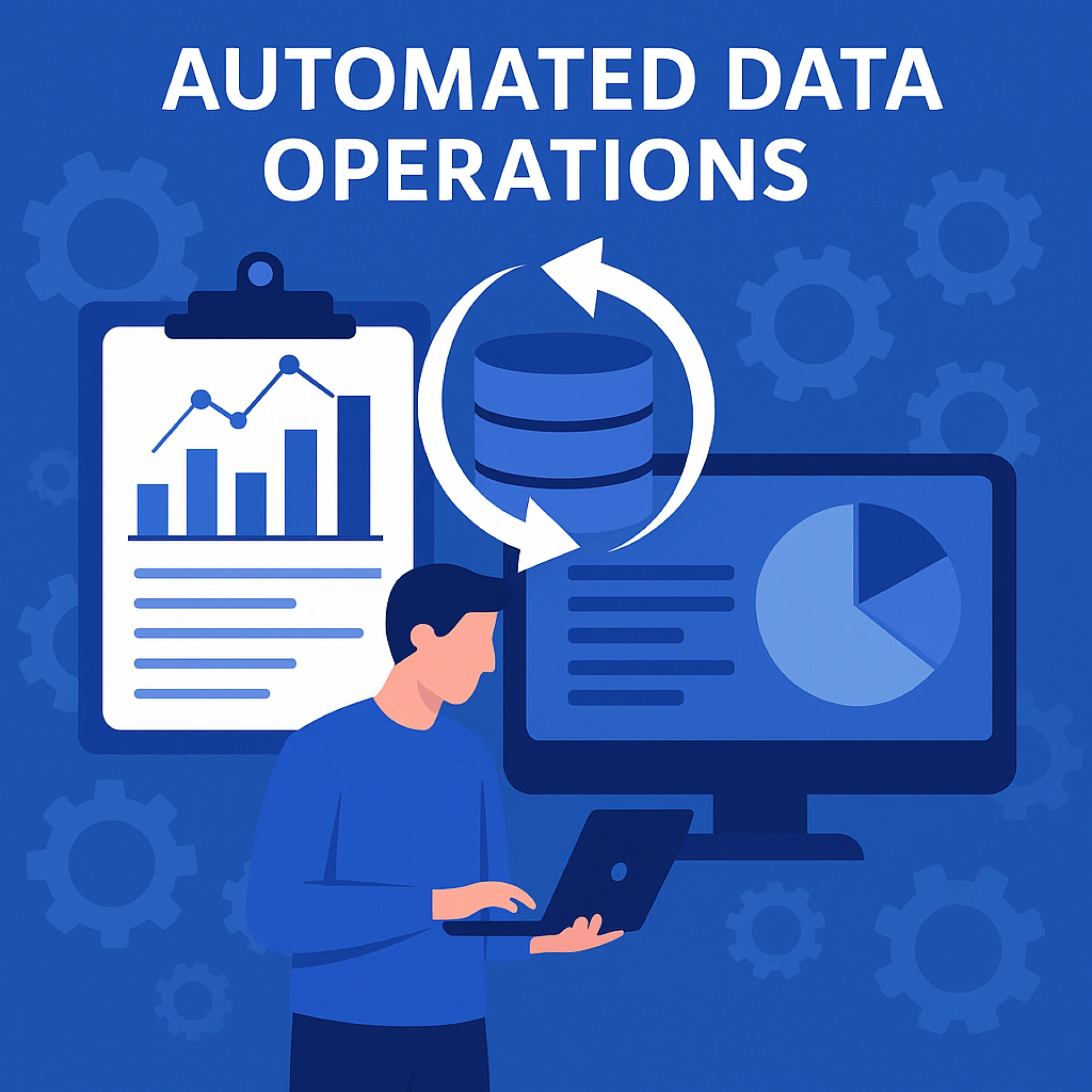
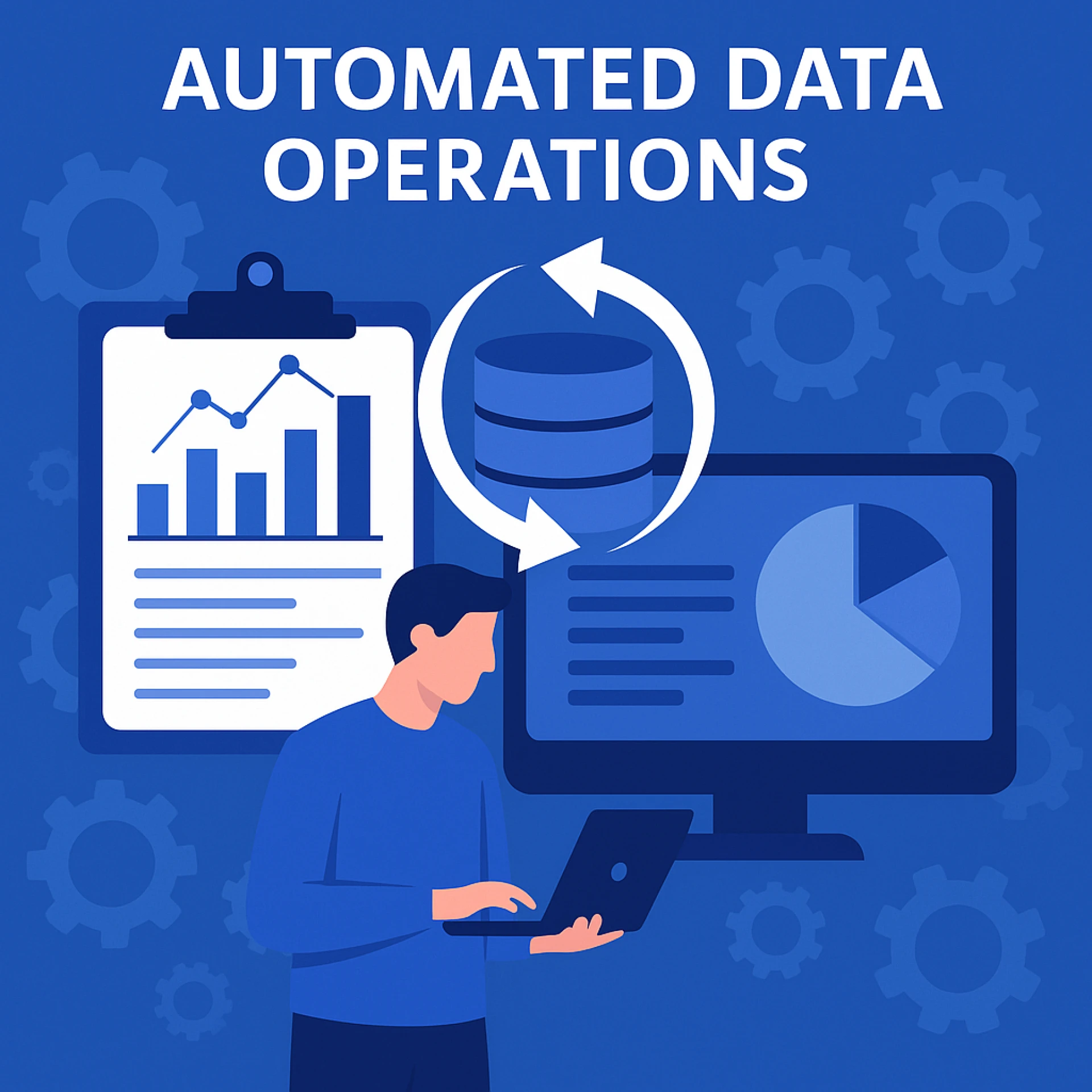
In today's data-driven world, businesses often find themselves overwhelmed by the sheer volume and complexity of information. Managing vast amounts of data from various sources can feel like trying to juggle flaming swords exciting but risky. Enter automated data operations, the unsung heroes transforming this chaos into streamlined processes.
What Are Automated Data Operations?
Automated data operations involve using software to handle data ingestion, processing, and management without manual intervention. This approach ensures that data flows smoothly from source to storage, ready for analysis. Think of it as setting up an automatic car wash for your data; efficient, consistent, and time-saving. Discover more data-related info at bettrdata.io
Why Should Businesses Care?
Consider this: According to a study by IBM, poor data quality costs organizations an average of $15 million per year. That's a trillion with a 'T'. Automating data operations can significantly reduce errors, enhance data quality, and free up valuable human resources for more strategic tasks.
Key Benefits of Automation
- Efficiency: Automated systems process data faster than manual methods, reducing the time from data collection to actionable insights.
- Accuracy: Automation minimizes human errors, ensuring that data is consistent and reliable.
- Scalability: As your business grows, automated systems can handle increased data volumes without a hitch.
- Compliance: Automated processes can be designed to adhere to regulatory standards, reducing the risk of non-compliance.
Real- World Impact
Take the example of Infinity Direct, a company that reduced data delivery times from days to minutes using automated data operations. Their team was astounded by the time and resource savings, allowing them to focus on innovation rather than data wrangling.
Is Automation the Silver Bullet?
While automation offers numerous advantages, it's not a one- size- fits- all solution. Businesses must assess their unique needs, existing data infrastructure, and the quality of their current data. Implementing automation requires careful planning, a clear strategy, and ongoing monitoring to ensure that the automated processes align with business objectives.
Conclusion
Automated data operations are revolutionizing how businesses handle data, turning what was once a chaotic process into a well-oiled machine. By embracing automation, companies can unlock efficiencies, improve data quality, and position themselves for success in an increasingly data-centric world. So, are you ready to let automation take the wheel and drive your data strategy forward?