
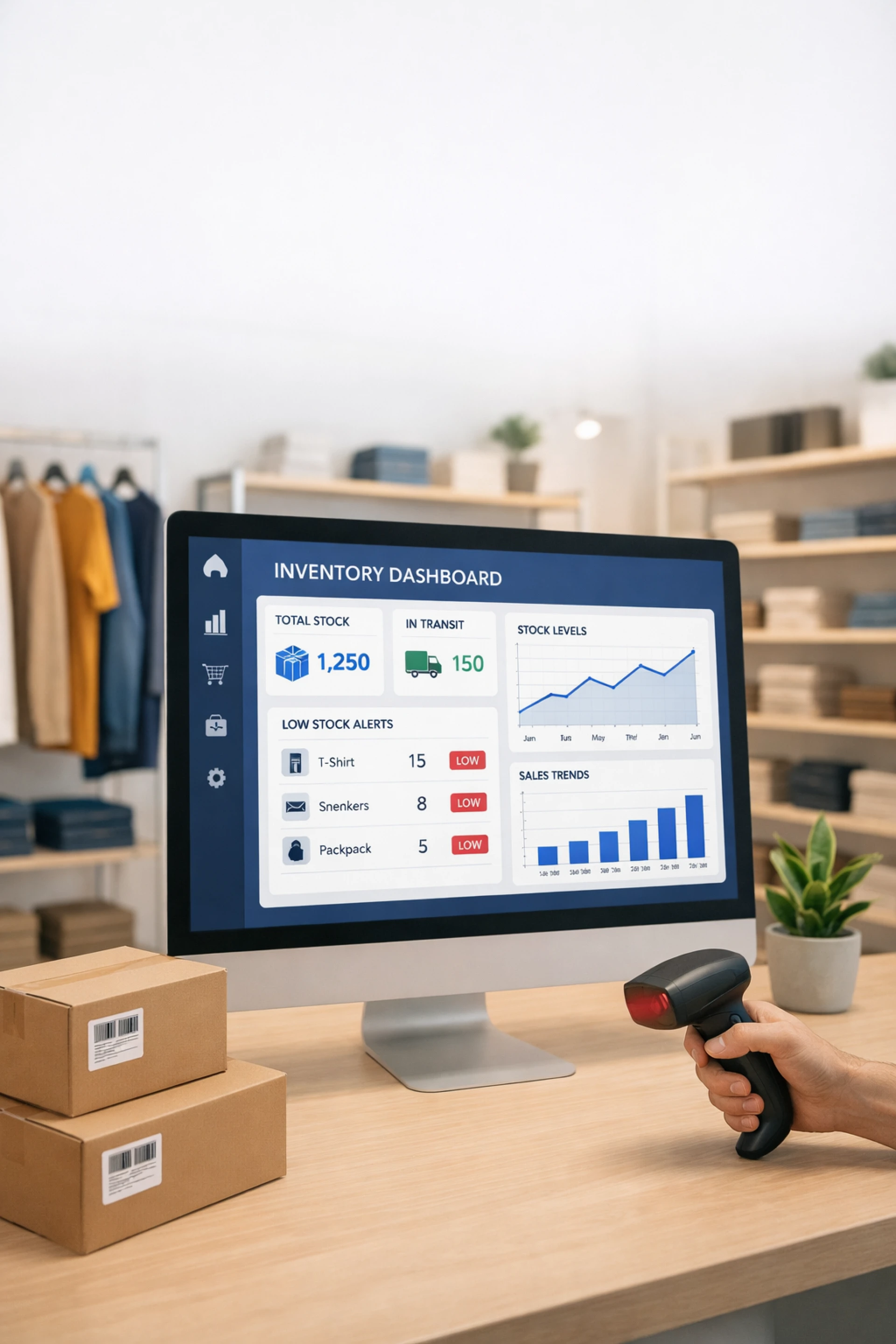
Monitoring inventory in stores isn’t just about knowing what’s on the shelves—it’s about having the right products, at the right time, in the right place. To stay competitive, businesses must monitor inventory in stores using modern, real-time solutions that eliminate guesswork and inefficiencies. Poor inventory management can lead to stockouts, overstocking, lost sales, and frustrated customers. Custom retail software development solutions provide a way to streamline these operations, giving businesses accurate, real-time insights that improve efficiency and profitability.
Why Inventory Monitoring is Critical for Retail
Inventory is the backbone of any retail business. Without proper visibility, even the most well-run stores can face serious challenges. Stockouts cause missed sales opportunities, while overstocking ties up capital in unsold goods. Manual inventory tracking is prone to errors, and delayed data can prevent timely decision-making. Shrinkage due to theft or mismanagement further complicates matters. Effective inventory monitoring ensures that businesses always know what products are available, where they are located, and when to reorder.
How Custom Retail Software Can Help
Custom retail software takes inventory monitoring to the next level. Off-the-shelf solutions may offer basic tracking features, but they often cannot accommodate unique business workflows. Custom solutions are scalable and flexible, allowing businesses to adapt features to their specific needs. They can integrate seamlessly with POS, ERP, and eCommerce platforms while enhancing data security. By building a solution tailored to your business, you can gain a competitive advantage and create processes that match exactly how you operate.
Key Features of Inventory Monitoring Software
Modern inventory monitoring software provides capabilities far beyond basic tracking. Real-time inventory updates across multiple store locations reduce discrepancies and errors. Automated alerts notify managers when stock reaches critical levels, preventing stockouts. Barcode and RFID technology speeds up the tracking process and reduces human mistakes. Data analytics enable demand forecasting, helping businesses predict future sales trends and optimize stock levels. Reporting tools provide detailed insights into sales patterns, stock movement, and product performance, while supplier management features help track vendor performance and streamline procurement.
Benefits of Implementing Custom Inventory Software
The benefits of implementing custom inventory software are significant. Automation improves data accuracy, ensuring inventory numbers are reliable. Real-time insights support informed decision-making for purchasing, pricing, and promotions. Customers benefit from consistently available products, boosting satisfaction and loyalty. Businesses also save money by avoiding overstocking and reducing losses from unsold inventory. For retailers with multiple channels—physical stores, online shops, and mobile apps—a unified inventory system ensures that stock levels are consistent everywhere.
A Real-World Example
Consider a retail chain managing inventory manually across multiple stores. Frequent stock mismatches, delayed restocking, and lost sales were common problems. After implementing custom retail software, inventory updates happened in real time, automated alerts prevented stockouts, and data analytics optimized product selection. The result was increased efficiency, lower operational costs, and higher sales—a clear demonstration of the transformative power of technology.
Advanced Technologies Behind Inventory Management
Custom retail solutions leverage advanced technologies like cloud computing, AI, IoT, and mobile applications to further enhance inventory management. Cloud-based systems provide real-time access from anywhere, while AI-powered tools improve demand forecasting and decision-making. IoT devices can track stock automatically, and mobile apps allow managers to oversee inventory on the go. API integrations connect different business systems, creating a seamless workflow across the organization.
Best Practices for Successful Implementation
Implementing inventory monitoring software successfully requires careful planning. Businesses should clearly define their requirements and work with experienced development partners who understand retail operations. Proper integration with existing systems, staff training, and ongoing optimization are key to ensuring the software delivers long-term value. While development costs and maintenance are considerations, the return on investment is often substantial.
The Future of Inventory Monitoring in Retail
The future of retail inventory management is increasingly automated and data-driven. Predictive inventory systems, AI-powered decision-making, and real-time global inventory visibility are becoming the norm. Retailers who embrace these innovations can achieve greater efficiency, reduce costs, and provide superior customer experiences, positioning themselves for sustained growth and profitability.
Conclusion
Inventory monitoring is a strategic priority for modern retail businesses. Custom retail software development provides the tools needed to gain full visibility into inventory, streamline operations, and deliver better customer experiences. Businesses still relying on manual processes or outdated systems can significantly benefit from investing in tailored solutions that support growth and long-term success.