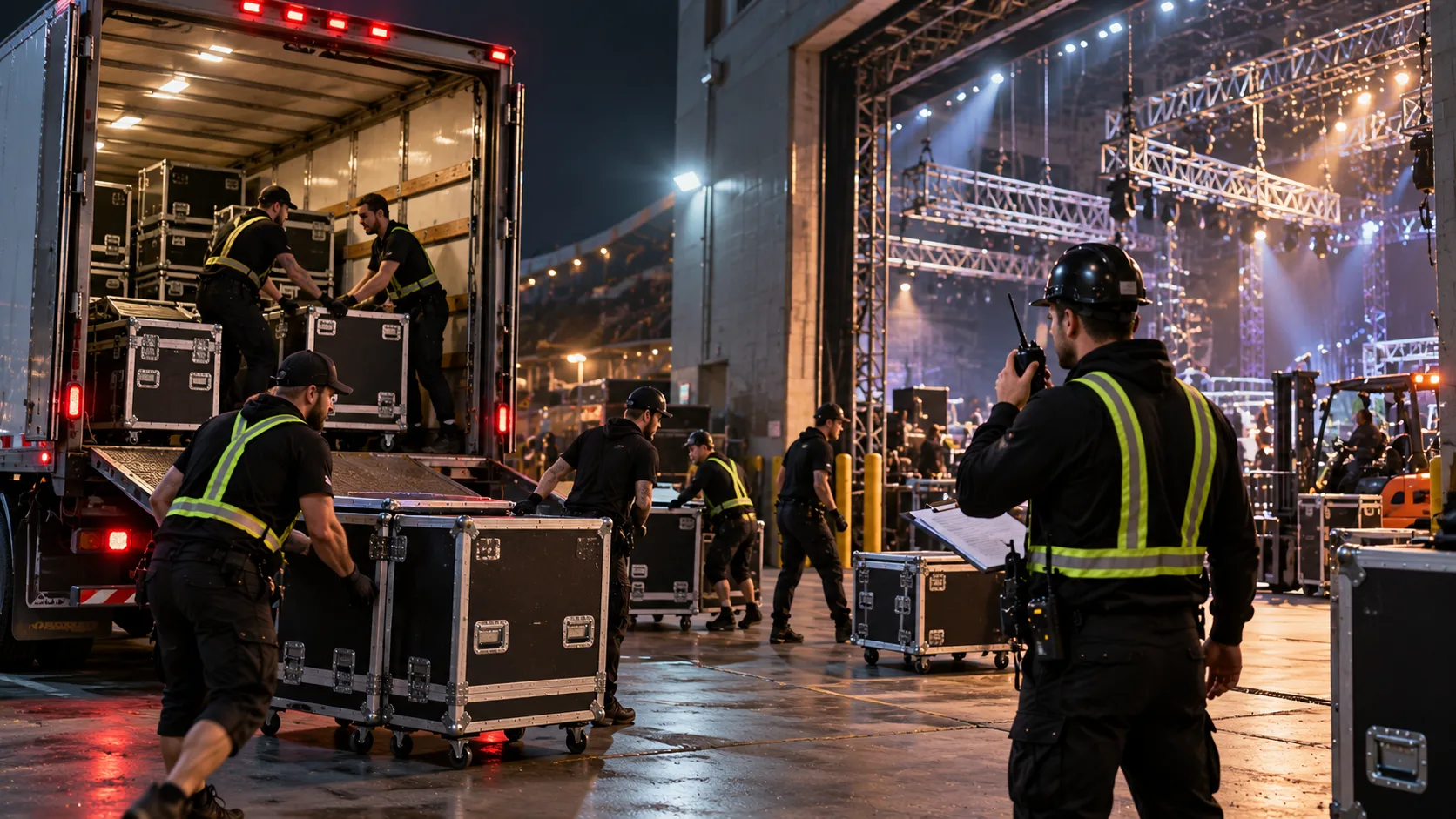
A show that runs perfectly in London can fall apart in another city. A different local crew, a new venue and a tight get-in window are often all it takes. For promoters and production managers running tours, roadshows or multi-venue events, keeping crew standards the same everywhere is one of the hardest parts of the job.
The good news is that it can be planned. With the right event production crew, a clear process and a trusted supplier, your show can look and run the same in Birmingham, Manchester and Liverpool as it does in London. Teams like Event Production Crew UK specialists help touring shows stay consistent from the first date to the last. This guide shares practical steps to help you do the same.
Why Do Crew Standards Change From City to City?
Standards slip when every venue brings in a different team with a different way of working. Even skilled local crew need time to learn your show, and that time is often not available.
Common causes include:
- New crew at every stop, with no knowledge of your production
- Different venue rules, loading docks and curfews
- Short build windows that leave no time to explain things twice
- Weak handovers between the touring team and local crew
- No single point of contact responsible for crew quality
What Does a Touring Event Production Crew Do?
A touring production crew helps load in, build, run and break down the show at each venue. They work alongside the touring team and local venue staff.
Typical roles include:
- Crew chiefs, who lead the local team and keep the build on schedule
- Stage crew, who build sets, risers and staging
- Riggers and ground riggers, who help with truss, lighting and overhead kit
- AV and lighting crew, who support screens, sound and lighting setups
- Loaders and runners, who move equipment and keep things flowing
- Plant operators, such as forklift and telehandler drivers with IPAF or CPCS qualifications
How Can You Keep Every Show Consistent?
Consistency comes from planning, clear information and the same standards at every stop. Here are the steps that make the biggest difference.
Build a Simple Show Pack
Create one document for every venue. It should include:
- Stage plans and build order
- Crew numbers and roles for each stage of the day
- Load-in, show and load-out times
- Safety notes and risk assessments
- Contact names for the production team
Send it to your crew supplier well before each date.
Use One Supplier Across the Tour
Working with one crew provider across the UK means one set of standards, one booking process and one point of contact. Familiar crew chiefs can also travel between dates, so key people already know your show.
Brief Crew Before They Start
A five-minute briefing at the start of each call saves hours later. Explain the build order, safety rules and who to report to. Crew who understand the plan work faster and make fewer mistakes.
Review After Each Date
Spend a few minutes after each show noting what worked and what didn’t. Share this with your supplier so the next city runs even better.
What Should You Ask a Crew Supplier Before a Tour?
Before booking stage crew hire for a tour, ask these questions:
- Can you supply crew in every city on our route?
- Will the same crew chief lead each date?
- How do you check skills and qualifications?
- How quickly can you replace a crew member who drops out?
- Do you have public liability and employer’s liability insurance?
- Can you offer flexible rates across the whole tour?
Clear answers help you avoid surprises once the tour is on the road.
How Do Venue Differences Affect Your Crew Plan?
No two venues are the same. A city-centre theatre, an arena and a conference centre can all need a different number of crew for the same show.
Before each date, check:
- Loading access, such as dock size, lifts and distance to the stage
- Curfews and noise limits, which can shorten your build or get-out time
- House crew rules, including which tasks venue staff must do themselves
- Power and rigging points, which can change how long installs take
- Parking and vehicle access for trucks and vans
Share these details with your crew supplier early. A venue with a long push from the dock, for example, may need extra loaders to keep the build on schedule.
Frequently Asked Questions
What is a local crew on a tour?
Local crew are workers hired in each city to help the touring team load in, build and break down the show. A good crew supplier provides skilled local crew who are briefed on your production before they start.
How many crew does a touring show need?
It depends on the size of the production, the venue and the build time. Small corporate roadshows may need only a few crew, while large concert tours can need dozens. Share your show pack with your supplier to get an accurate number.
Can one supplier provide crew across the UK?
Yes. Many crew companies supply teams in several cities, which helps keep standards and booking simple. Always check which cities they cover before you confirm your tour dates.
How far ahead should I book crew for a tour?
Book as early as possible, ideally 8 to 12 weeks before the first date. Tours often run during busy periods, so early booking helps secure the best crew for every stop.
Final Thoughts & Conclusion
A touring show is only as strong as its weakest date. Different crews, new venues and tight schedules make consistency hard, but clear planning makes it possible.
Build a simple show pack, work with one trusted supplier, brief crew at every call and review after each date. These steps help your production look and feel the same in every city on the tour.
If your next tour or roadshow covers London, Birmingham, Manchester or Liverpool, Soundboy Crew can provide skilled production crew, crew chiefs and qualified plant operators, including large teams at short notice. Check availability for your tour dates today.