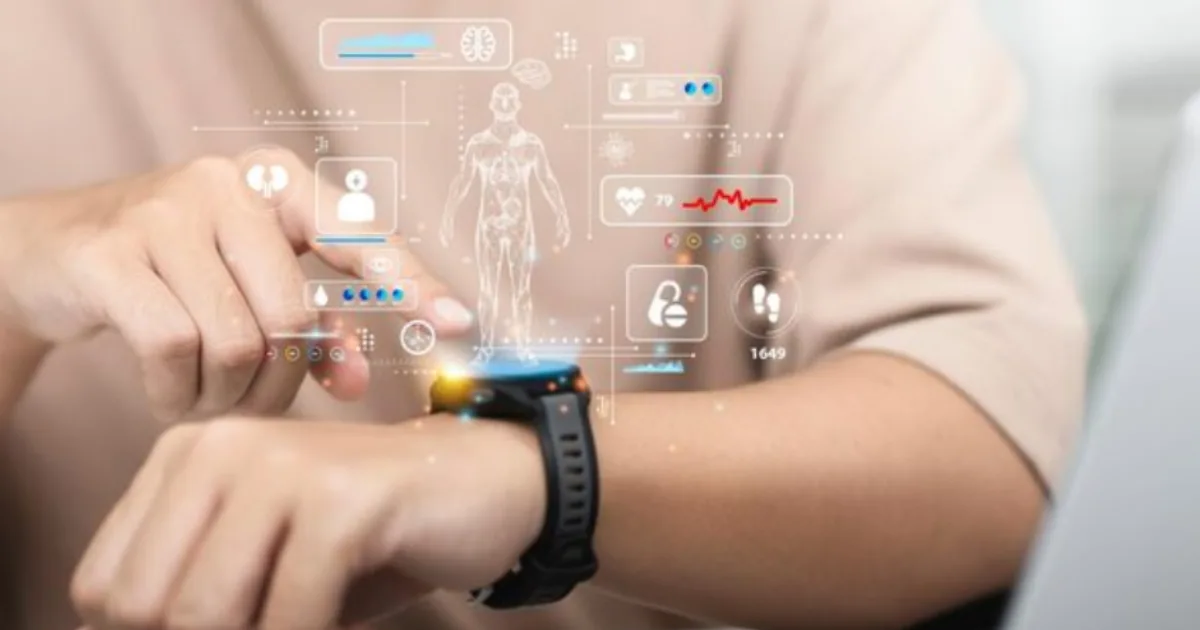
The healthcare and wellness industry is experiencing a major digital transformation, with wearable technology playing a crucial role in improving patient care, preventive healthcare, and overall wellness management. From smartwatches and fitness trackers to remote patient monitoring devices, wearables are helping healthcare providers and wellness businesses collect real-time health data, improve engagement, and deliver personalized experiences.
As the demand for connected healthcare solutions continues to rise, businesses are increasingly investing in professional wearable device app development services to create secure, scalable, and user-friendly applications that seamlessly integrate with wearable devices.
In this article, we explore the most valuable wearable app development services that healthcare organizations, fitness brands, and wellness companies should consider to stay competitive in the evolving digital health landscape.
Why Wearable Apps Matter in Healthcare and Wellness
Wearable devices have moved beyond simple activity tracking. Modern healthcare wearables can monitor heart rate, blood oxygen levels, sleep quality, stress levels, physical activity, and even chronic disease indicators. These capabilities enable healthcare providers and wellness businesses to deliver proactive and data-driven services.
Key benefits include:
- Continuous health monitoring
- Improved patient engagement
- Enhanced preventive care
- Real-time health insights
- Reduced hospital readmissions
- Better chronic disease management
- Personalized wellness recommendations
To unlock these benefits, organizations require specialized wearable device app development services that ensure reliable device connectivity, secure data handling, and seamless user experiences.
Top Wearable Device App Development Services
1. Healthcare Wearable App Development
Healthcare wearable applications help hospitals, clinics, and healthcare providers monitor patient health remotely. These apps connect with wearable sensors to collect and analyze vital health data in real time.
Common features include:
- Heart rate monitoring
- Blood pressure tracking
- ECG integration
- Medication reminders
- Health alerts and notifications
- Telehealth integration
2. Remote Patient Monitoring Solutions
Remote Patient Monitoring (RPM) has become a critical component of modern healthcare. Wearable-powered RPM applications enable providers to monitor patients outside clinical settings while improving care outcomes.
Benefits include:
- Continuous patient observation
- Reduced hospital visits
- Early detection of health risks
- Improved treatment adherence
3. Fitness and Wellness App Development
Fitness-focused wearable applications help users track workouts, calories burned, sleep quality, and overall wellness metrics. These apps often integrate with popular wearable devices such as smartwatches and fitness bands.
Popular features:
- Activity tracking
- Goal setting
- Workout analytics
- Personalized coaching
- Nutrition monitoring
4. Mental Health Wearable Solutions
The growing focus on mental well-being has created new opportunities for businesses offering mental health app development services. Wearable devices can collect valuable data related to stress levels, sleep patterns, heart rate variability, and emotional well-being.
By combining wearable technology with advanced analytics, businesses can build solutions that help users:
- Track stress levels
- Monitor sleep quality
- Practice mindfulness exercises
- Receive personalized wellness recommendations
- Detect behavioral patterns
Healthcare providers increasingly leverage wearable-enabled mental health app development services to improve patient engagement and support long-term mental wellness.
5. Chronic Disease Management Applications
Wearable-powered applications are increasingly used for managing chronic conditions such as:
- Diabetes
- Hypertension
- Cardiovascular diseases
- Respiratory disorders
These applications help patients and providers monitor health indicators continuously while enabling timely interventions.
6. Smartwatch App Development
Smartwatch applications remain one of the fastest-growing segments of wearable technology. Healthcare and wellness businesses can leverage smartwatch apps to deliver convenient access to health insights and notifications.
Core capabilities include:
- Real-time alerts
- Activity tracking
- Medication reminders
- Emergency assistance features
- Health dashboard access
7. AI-Powered Health Analytics Integration
Artificial intelligence enhances wearable applications by transforming raw sensor data into actionable health insights.
AI-powered capabilities include:
- Predictive health monitoring
- Risk assessment
- Personalized recommendations
- Anomaly detection
- Automated health reports
8. IoT Wearable Ecosystem Development
Healthcare organizations often require wearable apps to communicate with broader healthcare ecosystems.
This includes integration with:
- Electronic Health Records (EHR)
- Telemedicine platforms
- Hospital management systems
- Cloud-based healthcare platforms
- Third-party wellness applications
Essential Features of Modern Wearable Healthcare Applications
Successful wearable healthcare apps typically include:
- Real-time data synchronization
- Secure cloud infrastructure
- HIPAA-compliant architecture
- Device interoperability
- User-friendly dashboards
- AI-driven insights
- Emergency alerts
- Telehealth connectivity
- Data encryption
- Multi-device support
How to Choose the Right Wearable Device App Development Partner
When evaluating wearable device app development services, healthcare and wellness businesses should consider:
- Healthcare domain expertise
- Experience with wearable platforms
- Regulatory compliance knowledge
- Integration capabilities
- Security standards
- Scalability of solutions
- Post-launch support
A reliable development partner should understand both healthcare regulations and wearable technology ecosystems to deliver solutions that meet industry requirements.
Future Trends in Wearable Healthcare Technology
Several emerging trends are shaping the future of wearable healthcare applications:
- AI-powered predictive healthcare
- Advanced mental health monitoring
- Remote patient monitoring expansion
- Personalized wellness programs
- Digital therapeutics integration
- Smart sensor innovation
- Continuous health tracking
As wearable technology becomes more sophisticated, businesses that invest in advanced wearable device app development services will be better positioned to improve patient outcomes, increase engagement, and create innovative healthcare experiences.
Conclusion
Wearable technology is redefining how healthcare and wellness services are delivered. From remote patient monitoring and fitness tracking to advanced mental health solutions, wearable applications are helping organizations provide more personalized, proactive, and data-driven care.
By investing in professional wearable device app development services, healthcare and wellness businesses can leverage connected technologies to enhance user experiences, improve health outcomes, and stay ahead in an increasingly competitive digital health landscape. Furthermore, integrating wearable capabilities with modern mental health app development services creates new opportunities to address growing wellness needs while delivering meaningful value to users.