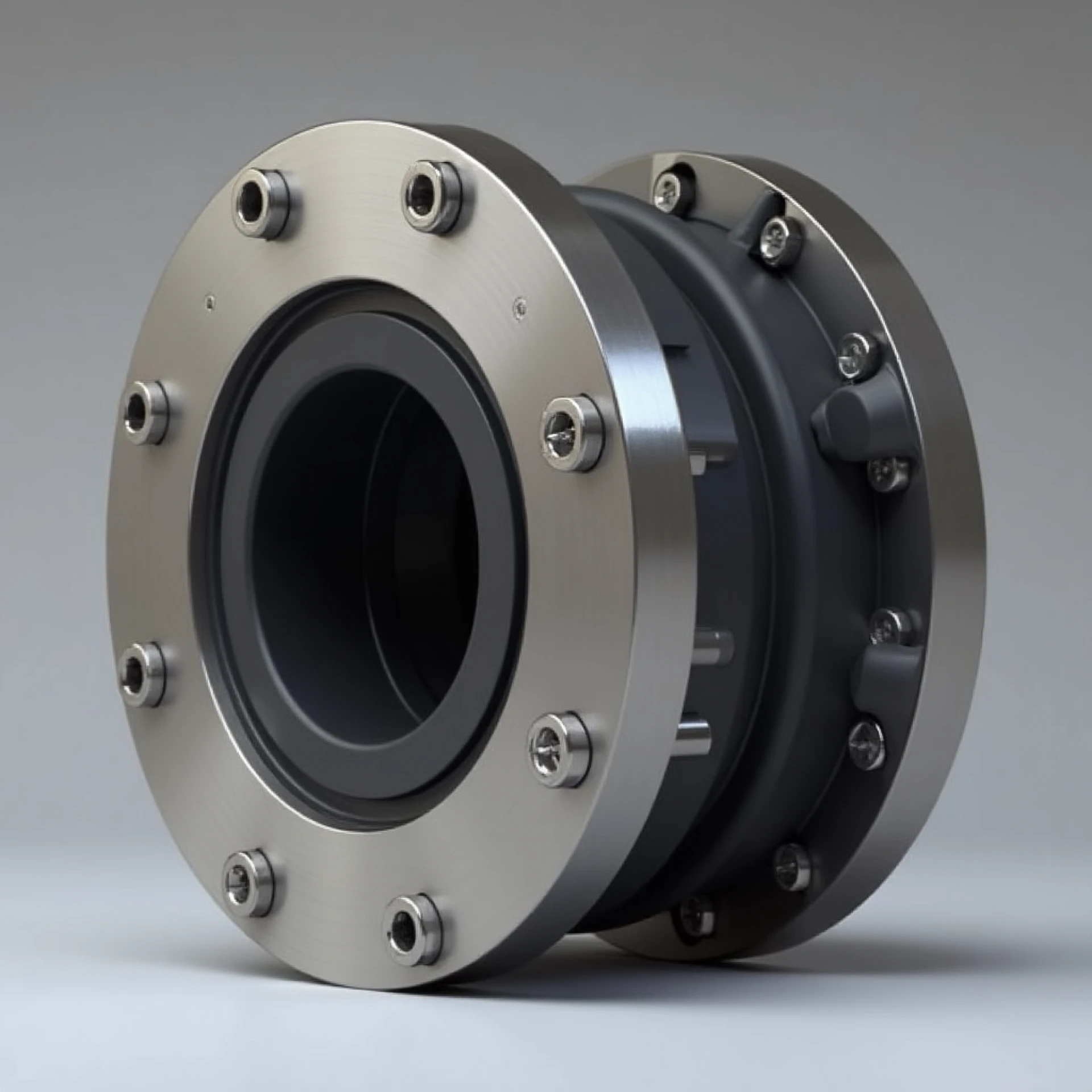
In the world of mechanical engineering and industrial operations, couplings play a critical role in ensuring smooth power transmission between shafts and machines. From heavy-duty plants to precision machinery, the right coupling can make a difference in performance, reliability, and longevity. Whether you’re searching for a trusted tyre coupling manufacturer, exploring the benefits of flexible couplings, or evaluating the efficiency of fluid couplings, understanding their applications is the first step toward optimized operations.
1. Tyre Coupling Manufacturer – Durability with Flexibility
Tyre couplings are widely used in industries that demand vibration absorption and flexibility. Made with rubber or synthetic tyres, these couplings can withstand misalignments, shocks, and heavy loads, making them perfect for applications in steel plants, mining, and power generation.
A reliable tyre coupling manufacturer ensures the use of high-grade materials and precision engineering, which guarantees durability even in challenging environments. Customers often look for manufacturers that provide custom sizes, easy installation, and minimal maintenance solutions. When chosen wisely, tyre couplings reduce downtime, extend machine life, and lower operational costs.
2. Flexible Couplings – Adapting to Industrial Needs
In every rotating machine, misalignments are inevitable. This is where flexible couplings come into play. Designed to accommodate angular, axial, and parallel misalignments, these couplings protect equipment from excessive wear and tear.
Industries such as automotive, petrochemical, and heavy engineering rely heavily on flexible couplings. Their ability to absorb shocks, vibrations, and torque fluctuations makes them a preferred choice over rigid couplings. Moreover, the ease of installation and adaptability to different shaft sizes add to their popularity.
3. Fluid Couplings – Smooth Transmission with Controlled Power
Among the most efficient types of couplings are fluid couplings, often used in conveyor belts, crushers, fans, and pumps. These hydraulic devices transmit power through fluid dynamics, ensuring smooth acceleration and protection against mechanical overload.
One of the biggest advantages of fluid couplings is their ability to provide a soft start, thereby reducing mechanical stress on motors and machines. This feature makes them indispensable in industries where sudden jerks or overloads can damage equipment. Additionally, fluid couplings improve efficiency, extend motor life, and enhance system performance.
4. General Couplings – The Backbone of Industrial Machinery
The term couplings encompasses a wide range of devices designed to connect two shafts for power transmission. Each type – rigid, flexible, fluid, or tyre – comes with unique advantages tailored to specific industrial needs.
Rigid couplings provide strong alignment for precision machinery, while flexible couplings allow misalignment adjustments. Tyre couplings offer shock absorption, and fluid couplings provide controlled torque. The choice of the right coupling depends on application requirements, load capacity, and operating conditions.
5. How to Choose the Right Coupling for Your Industry
Selecting the right coupling can be challenging without proper guidance. Here are some factors to consider:
- Application Type – Heavy-duty or light machinery?
- Misalignment Tolerance – Need rigid precision or flexible adaptability?
- Shock Absorption – Does your industry face frequent load variations?
- Maintenance Needs – Do you prefer low-maintenance designs?
- Cost & Efficiency – Does the coupling save operational costs long-term?
By evaluating these factors, industries can choose the right solution – whether it’s tyre, flexible, fluid, or general couplings – to maximize efficiency and minimize downtime.
Conclusion
From tyre coupling manufacturers delivering robust designs, to flexible couplings that adapt to misalignments, and fluid couplings ensuring smooth power transfer, couplings are the unsung heroes of industrial machinery. Choosing the right coupling not only improves performance but also safeguards your equipment from unnecessary wear and tear.
As industries evolve, couplings will continue to play a vital role in innovation, efficiency, and sustainability. Whether you are upgrading old machinery or setting up a new plant, investing in the right coupling is an investment in reliability and long-term success.