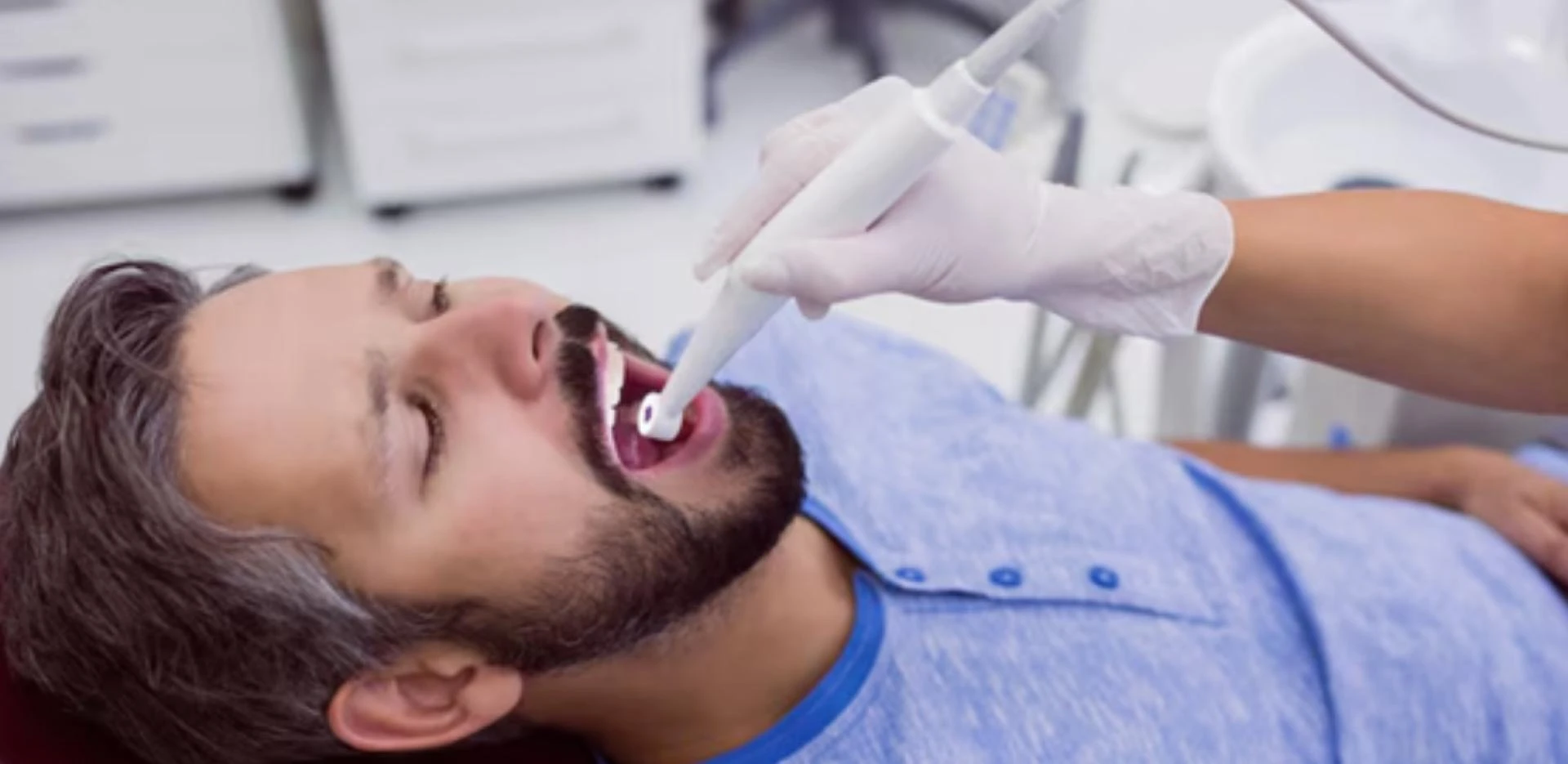
Receiving a tooth filling may seem like a minor procedure, yet it holds significant importance for your oral health. Whether addressing a cavity, a chipped tooth, or decay, a well-executed tooth filling in Abu Dhabi not only restores your smile but also safeguards your teeth from further harm. However, it is crucial to understand that your dental work is not a "set it and forget it" scenario. Proper maintenance of your filling is vital to prolong its lifespan and minimize additional visits to the dentist. If you are inquiring about the cost of tooth fillings in Abu Dhabi, you may already be contemplating this investment. Why not safeguard that investment by adopting a few straightforward yet effective habits? Here is a practical guide from Unity Cares Medical Center to ensure your filling endures for years while maintaining your dental health.
Be Mindful of Your Diet
It is easy to overlook the influence of our dietary choices on a filled tooth. Sticky candies, chewing gum, hard nuts, or ice can exert pressure on your filling, particularly during the initial days following treatment.
Advice: For at least 24–48 hours post-filling, opt for soft foods and refrain from biting directly on the filled tooth. Sugary and acidic beverages such as soda or citrus juices can also compromise the surrounding enamel, making it wise to rinse your mouth with water after consumption. Minor adjustments in your diet can significantly contribute to the protection of your filling and your overall oral health.
Establish a Robust Oral Hygiene Routine
Although the filling replaces a portion of your tooth, the remaining teeth still require care. Regular brushing and flossing will help avert decay around the filling.
Brush twice daily with a soft-bristled toothbrush and fluoride toothpaste. Floss every day to eliminate food particles and plaque from areas that a toothbrush cannot reach. Keep in mind that a filling does not render your tooth "immune." In fact, the edges of the filling are more susceptible to decay if proper hygiene is neglected. A consistent routine will keep your filling secure and your mouth feeling fresh.
Schedule Regular Dental Check-Ups
A filling is not merely a one-time solution. Regular check-ups enable your dentist to keep track of its condition. Even minor cracks or wear can be detected early, averting larger issues in the future. Most dental practices suggest check-ups every six months. During these appointments, your dentist can also clean hard-to-reach areas, thereby lowering the risk of cavities forming around the filling.
Avoid Bad Habits
Certain behaviors can greatly diminish the lifespan of your filling. Common offenders include:
Chewing ice or hard objects
Nail-biting or using teeth as tools
Grinding or clenching teeth (bruxism)
If you grind your teeth at night, a custom nightguard can safeguard your fillings and natural teeth. Simple changes in habits can lead to significant improvements, ensuring your filling endures for years rather than months.
Be Mindful of Sensitivity
Some sensitivity is typical after receiving a filling, particularly in the initial days. If your tooth feels sharp, hot, or cold, there is no need to panic. However, if the sensitivity continues or intensifies, it may signal an issue with the filling. Contact your dentist without delay.
Choose the Right Material and Clinic
The durability of your filling is influenced by the material utilized and the skill of your dentist. Composite resin fillings are favored for their natural appearance, while amalgam fillings are recognized for their strength. When contemplating tooth filling in Abu Dhabi, select a reputable clinic with skilled dentists. Although the cost of tooth filling in Abu Dhabi may differ, investing in quality care guarantees a longer-lasting outcome and fewer complications.
Know When to Replace Your Filling
Even the most well-maintained filling has a limited lifespan. Over time, fillings can deteriorate, crack, or detach from the tooth. Regular dental visits assist in determining when it is necessary to replace the filling before issues worsen.
Signs you may need a replacement include:
Visible cracks or chips
Persistent sensitivity or pain
Dark spots around the filling
Taking prompt action preserves your tooth and prevents costly procedures later.