Buying A car in Dubai is such a great, exciting experience. Buying a car with a label, on the other hand, has been known for its risks. Making a purchase of used cars in Dubai from the dealers of the private market, or any other seller, requires that a thorough pre-purchase car inspection be performed. If nothing but a thorough pre-purchase car inspection in Dubai is conducted, then the hidden fails found out before they could turn out to be much of an issue to deal with. The list below describes the most important elements that must be considered while conducting a proper inspection.
1. Vehicle History and Documentation
Before physically inspecting the car, verify its history and ownership documents. A legitimate pre purchase car inspection Dubai involves checking the vehicle’s registration, service records, and whether the car has any outstanding fines or legal issues. Use services like the Dubai Traffic Department to confirm the vehicle’s details and ascertain it’s not stolen or involved in any accidents.
2. Exterior Condition
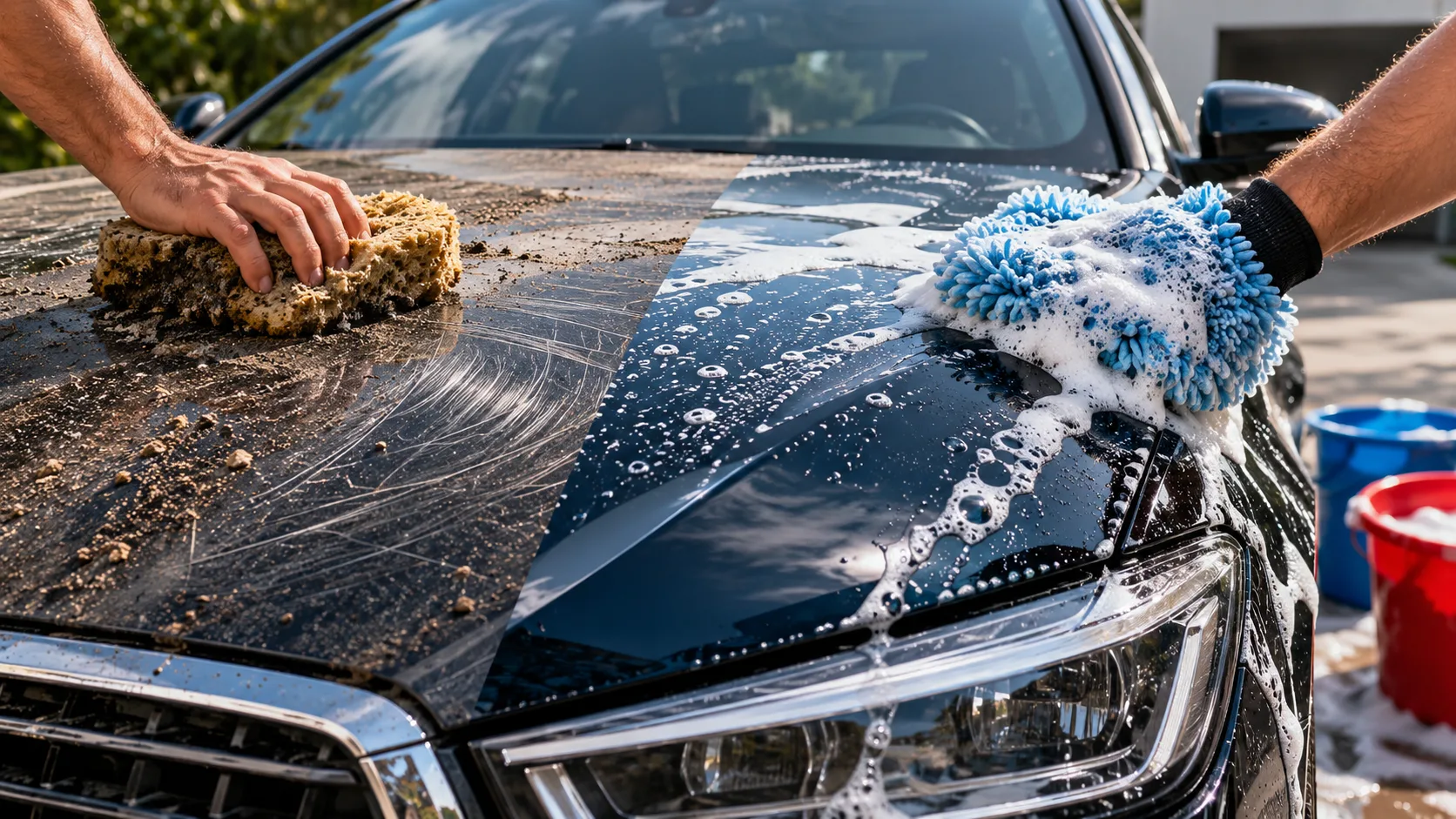
Inspect the car’s exterior for signs of accidents or repairs. Look for mismatched paint, dents, scratches, rust, or uneven panel gaps. These often indicate past collisions or poor repairs. Pay special attention to the condition of the tires, headlights, taillights, and windows, as replacing these can be costly.
3. Under the Hood
In a car, one of the most significant items to consider in a pre-purchase inspection is the engine bay. Look for fluid leaks, rust spots, as well as the condition of belts and hoses. The inspector might wish to touch the engine a little to look if there are signs of overheating or oil mist in the component. The engine is one of the biggest determiners for the car's performance, smooth operation, and longevity.
4. Test Drive
If there is one thing that should be done, it is that when evaluating a car on a test drive, passengers should determine how it handles, brakes, and accelerates. While on the drive, do well to listen carefully for any strange sounds, vibrations, or smells. It should also be checked that if it’s a stick shift, the shifts slip into gear easily. Make sure to evaluate and test all electronic components, including air conditioning, infotainment systems, and power windows, throughout the drive.
5. Interior and Comfort
In the vehicle, verify the condition of the carpet, seats, and dashboard. Verify that the controls and lights, and indicators are functioning perfectly. Check to make sure there are no unsuitable odors, which might be a clue to water damage or mold. The odometer number should be checked against the vehicle history report to verify.
6. Brakes and Suspension
During the inspection, the tester should test the brakes for immediate effect and the sounds of squeaks and grinds. For the suspension, the corners of the car should be pressed down to see if it bounces unacceptably, and may thereby need to be repaired. Brakes and suspension, well-dosed, are vital to safety.
7. Electronic and Safety Features
Check and maintain all safety items such as airbags, ABS, and parking sensors, as these have become obligatory in a nerve-wracking traffic situation.
8. Professional Inspection
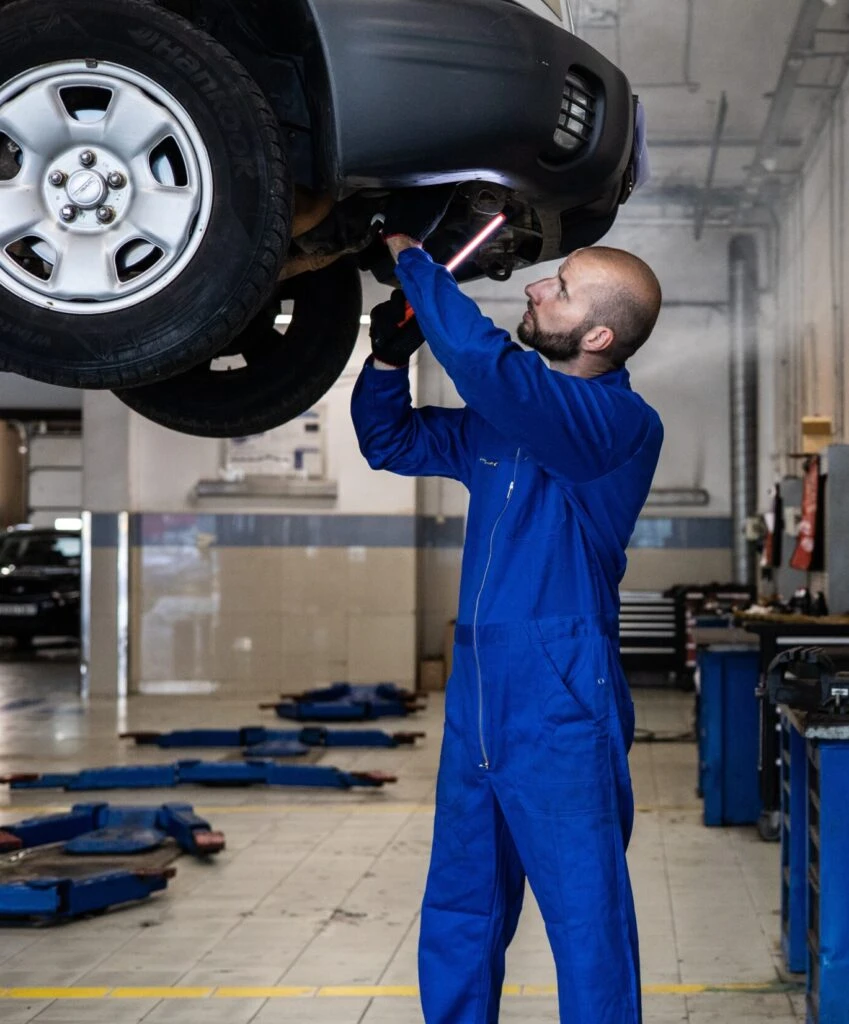
Checking things out visually is good. It is highly recommended to hire a professional mechanic for a detailed pre purchase car inspection in Dubai. They can use specialist tools that will help them find issues that are not visible to the naked eye.
When you get your car inspected by a professional, you usually can relax and know things will be done well, allowing you to roll away happily with the right car for the best price!