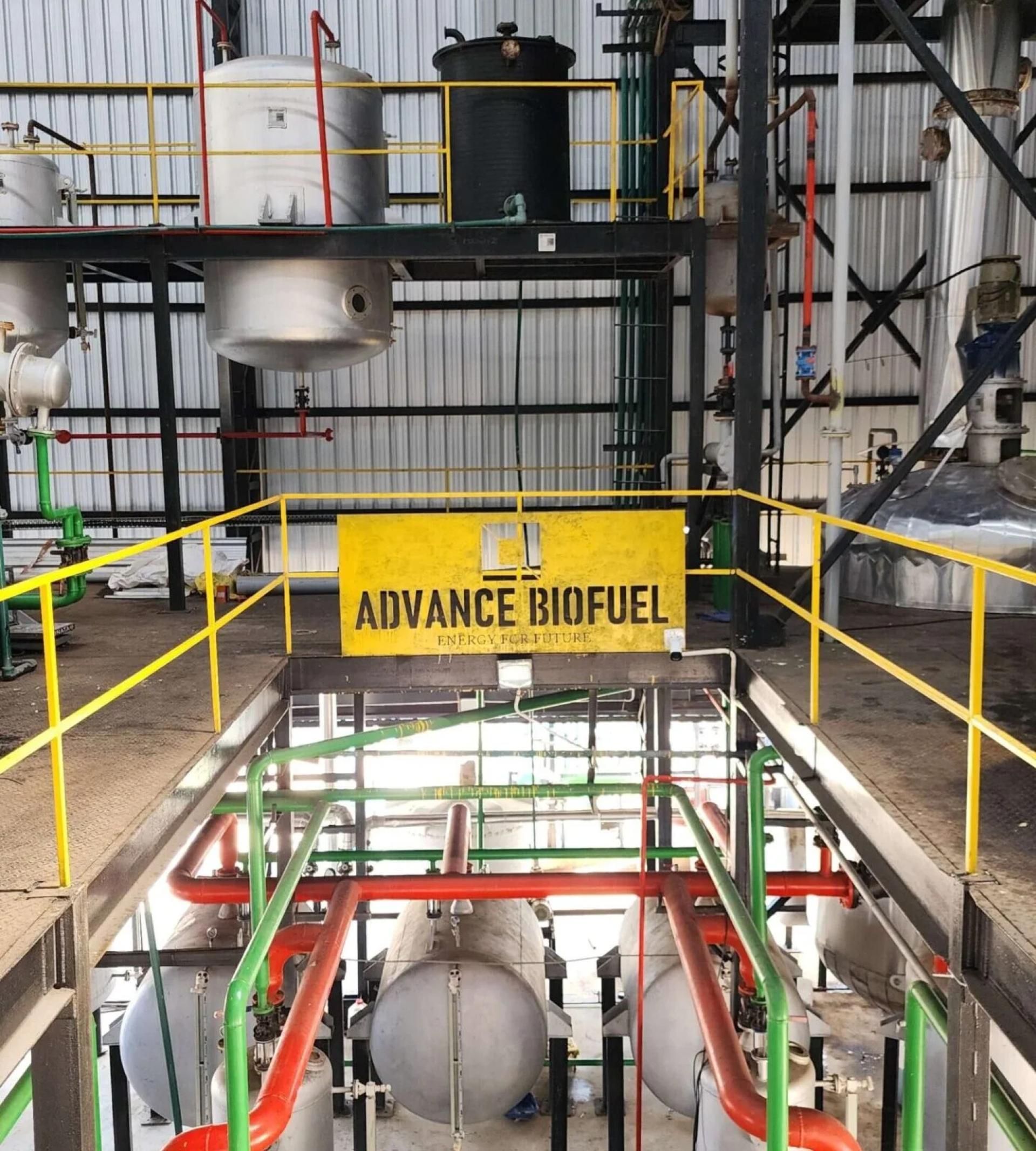
In today’s fast-evolving energy sector, biodiesel has emerged as a sustainable and eco-friendly alternative to conventional fossil fuels. Setting up a biodiesel plant in Kolkata is becoming increasingly attractive to entrepreneurs and industries aiming to invest in green energy. To maximize productivity and efficiency, it’s crucial to understand the latest technologies used in biodiesel plants. This article highlights the key technologies that enhance biodiesel production efficiency, providing valuable insights for business owners to make well-informed choices.
At the forefront of this advancement, leading industry players like Advance Biofuel have adopted cutting-edge methods to enhance biodiesel production processes.
What Makes a Biodiesel Plant Efficient?
Efficiency in biodiesel production depends on several factors including raw material processing, conversion techniques, and purification methods. Modern biodiesel plants focus on reducing production time, minimizing waste, and enhancing fuel quality. For anyone investing in a biodiesel plant in Kolkata, adopting advanced technologies ensures not only higher output but also better environmental compliance.
1. Feedstock Pretreatment Technologies
The choice and preparation of raw materials (feedstock) like vegetable oils, animal fats, or waste cooking oils are critical in biodiesel production. Pretreatment removes impurities such as water, free fatty acids, and solids that can hamper the conversion process.
Why Pretreatment Matters
Without pretreatment, the quality of biodiesel can be compromised, leading to engine problems and regulatory issues. Technologies like filtration, degumming, and neutralization are widely used to ensure feedstock purity.
Impact on Biodiesel Plants in Kolkata
In regions like Kolkata, where feedstock may vary seasonally, pretreatment technologies are vital. These methods help plants maintain consistent fuel quality year-round, making them more reliable and profitable. Companies like Advance Biofuel have implemented these pretreatment technologies to stabilize production quality.
2. Transesterification Reactor Technology
Transesterification is the core chemical process in biodiesel production, where oils react with alcohol (usually methanol) in the presence of a catalyst to produce biodiesel and glycerin.
Types of Reactors
- Batch Reactors: Suitable for small-scale plants, batch reactors process feedstock in separate batches.
- Continuous Flow Reactors: Ideal for larger plants, they allow uninterrupted processing, increasing efficiency and throughput.
Advancements in Reactor Technology
Modern biodiesel plants utilize continuous flow reactors with improved mixing and temperature control systems. These reactors enhance reaction speed and yield, making them indispensable for any biodiesel plant in Kolkata aiming for industrial-scale production.
3. Catalyst Technologies
Catalysts accelerate the transesterification reaction, directly impacting production time and fuel quality.
Common Catalysts
- Homogeneous Catalysts: Such as sodium hydroxide (NaOH) or potassium hydroxide (KOH), widely used due to cost-effectiveness.
- Heterogeneous Catalysts: Solid catalysts simplify separation and recycling processes, helping to minimize waste and lessen environmental harm.
Why Catalysts Matter
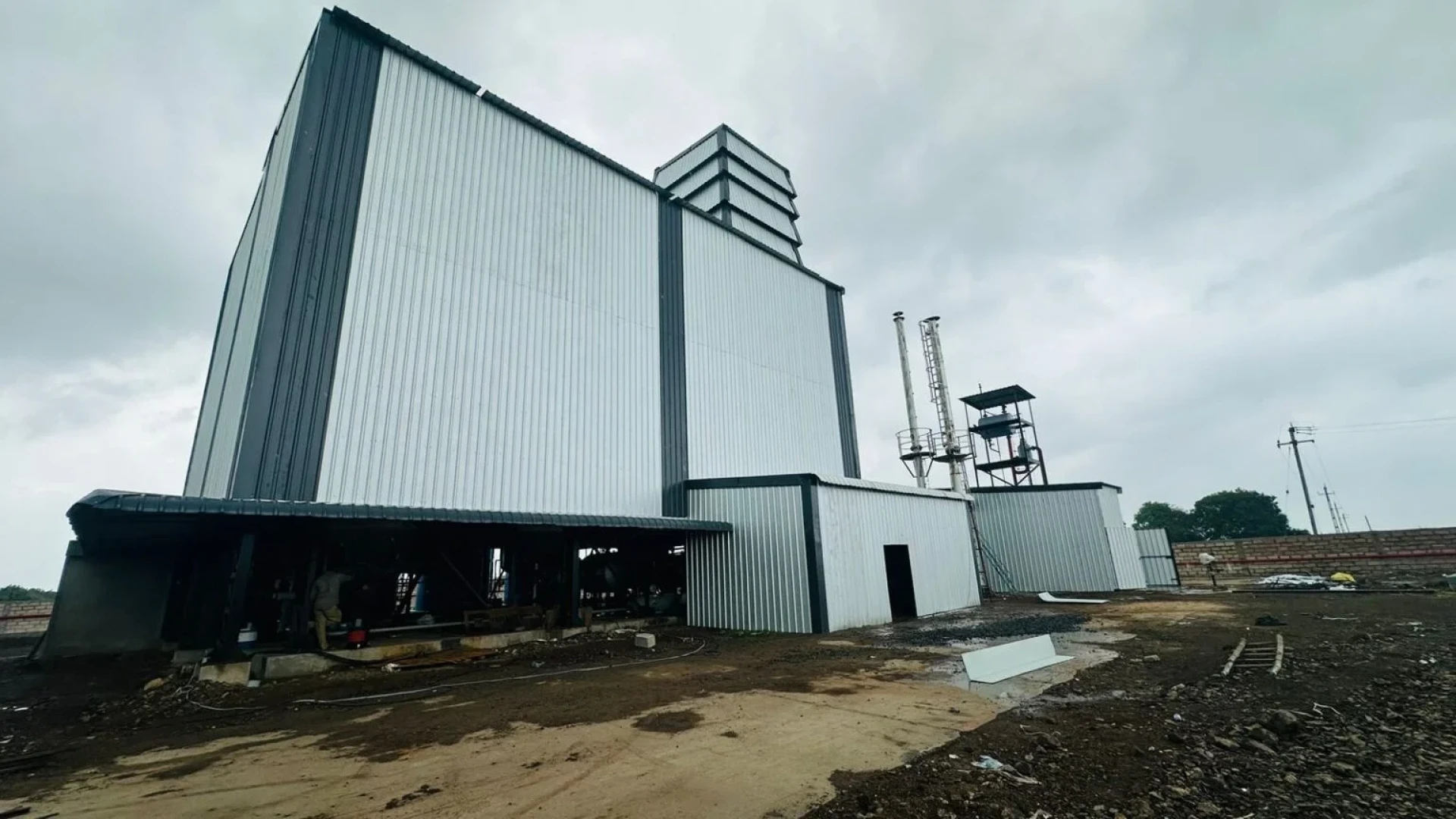
Advanced catalyst technologies, including enzymatic and nanocatalysts, are gaining popularity. These catalysts improve efficiency, reduce energy consumption, and simplify biodiesel purification, making them ideal for modern biodiesel plants.
At Advance Biofuel, research into catalyst improvements has contributed to higher production yields with minimal environmental impact.
4. Separation and Purification Technologies
After transesterification, the mixture contains biodiesel, glycerin, excess alcohol, and catalyst residues. Effective separation and purification are essential to meet fuel standards.
Common Separation Methods
- Gravity Settling: Simple but slow, relies on density differences.
- Centrifugation: Faster and more efficient, widely adopted in advanced plants.
Purification Techniques
Washing biodiesel with water or dry washing using adsorbents removes impurities, ensuring the final product’s quality.
For a biodiesel plant in Kolkata, adopting efficient separation and purification technologies reduces operational costs and meets strict fuel regulations. Advance Biofuel’s adoption of advanced purification systems highlights how technology boosts product quality.
5. Automation and Control Systems
Automation plays a crucial role in optimizing biodiesel plant operations. Advanced control systems monitor parameters like temperature, pressure, and reaction time in real-time, allowing for adjustments that improve consistency and efficiency.
Benefits of Automation
- Reduces human error
- Enhances safety
- Lowers operational costs
- Improves product quality
For business owners investing in a biodiesel plant in Kolkata, integrating automation ensures smoother operations and higher returns. Leading firms like Advance Biofuel have successfully integrated these systems to maintain precise control over production.
6. Waste Management Technologies
Biodiesel production generates by-products such as glycerin, methanol recovery waste, and wastewater. Efficient waste management not only complies with environmental norms but also enhances profitability.
Glycerin Recovery
High-purity glycerin can be sold or further processed, creating an additional revenue stream.
Methanol Recovery Systems
Recovering methanol reduces raw material costs and environmental impact.
Incorporating waste management solutions is essential for any biodiesel plant in Kolkata focused on sustainability and cost efficiency. Companies with a strong commitment to environmental responsibility, including Advance Biofuel, prioritize these technologies.
Conclusion: Investing in Advanced Technologies for a Successful Biodiesel Plant
The biodiesel industry is rapidly evolving with new technologies that improve efficiency, reduce waste, and enhance product quality. For entrepreneurs and investors in Kolkata, understanding and implementing these top technologies in your biodiesel plant is key to gaining a competitive edge.
From feedstock pretreatment and advanced reactors to automation and waste management, each technology contributes to a more efficient and profitable operation. By embracing innovation, a biodiesel plant in Kolkata can meet growing energy demands while supporting a greener, cleaner future.