
Gutters may not be the most noticeable part of a home, but they play a major role in protecting it from water damage. In Monmouth County, changing weather conditions, coastal storms, snow, and heavy rainfall can put extra pressure on gutter systems throughout the year.
Many homeowners do not think about their gutters until a serious issue appears. By then, the damage may already affect the roof, siding, landscaping, or even the home’s foundation. Knowing the warning signs early can help you avoid expensive repairs in 2026.
If you notice any of the following problems, it may be time to inspect your gutter system before the damage spreads further.
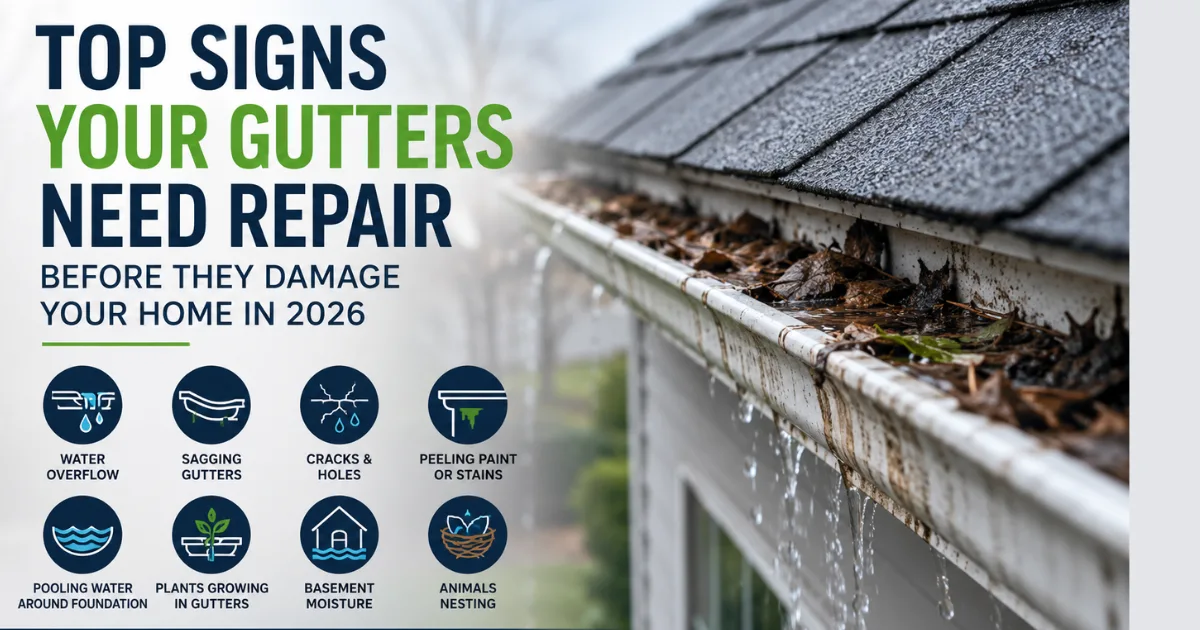
Water Overflowing During Rain
One of the clearest signs of gutter trouble is water spilling over the sides during rainfall. Gutters are designed to guide water safely away from the house. When they overflow, something is not working correctly.
Overflowing water is often caused by leaves, dirt, or debris blocking the system. In some cases, the gutters may be too damaged or poorly aligned to move water properly. Many homeowners search online for a “gutter company near me” after noticing water pouring over the edges during storms because it can quickly lead to siding stains and soil erosion around the property.
Sagging or Pulling Away From the Roof
Gutters should sit securely along the roofline. If sections begin sagging or separating from the house, it usually means they are carrying too much weight or the fasteners have weakened over time.
This issue is common in older homes and properties exposed to heavy snow or frequent storms. Sagging gutters can eventually collapse completely if ignored. They may also allow water to collect near the roof instead of draining correctly.
Checking your gutters from the ground after storms can help you catch this problem before it becomes dangerous.
Cracks, Holes, or Rust Spots
Even small cracks can lead to larger problems if water escapes through damaged sections. Tiny holes may not seem serious at first, but over time, they can cause water to drip onto siding, windows, and foundations.
Rust spots are another warning sign that the gutter material is starting to break down. Once corrosion spreads, the system may weaken quickly. In Monmouth County, exposure to moisture and seasonal weather changes can speed up this process.
Homeowners should inspect visible gutter sections regularly, especially after winter.
Peeling Paint or Water Stains
Paint peeling near rooflines or brown water stains along exterior walls often point to gutter issues. When gutters leak or overflow, water repeatedly runs down the side of the house instead of being directed away.
This constant moisture can damage paint, wood trim, and siding materials over time. In some cases, mold and mildew may also begin forming in damp areas.
Many homeowners assume peeling paint is simply due to age, but gutters are often the hidden cause behind the problem.
Pooling Water Around the Foundation
One of the most serious signs of gutter trouble is water collecting near the base of your home. Gutters and downspouts should move rainwater safely away from the foundation.
If water pools near the house, it can slowly weaken the foundation, damage landscaping, and increase the risk of basement moisture problems. Over time, this may lead to cracks or structural issues that are far more expensive to repair than the gutters themselves.
After heavy rain, walk around your property and look for puddles forming near exterior walls.
Plants Growing Inside Gutters
If you notice weeds, grass, or small plants growing inside your gutters, it usually means debris has been sitting there for a long time. Wet leaves and dirt create the perfect environment for plant growth.
Blocked gutters prevent proper drainage and increase the weight placed on the system. This extra weight can cause sagging and pull sections away from the roof.
Regular cleaning and inspections can help prevent severe clogs from developing.
Basement Moisture or Mold Smells
Gutter problems often show up inside the home before homeowners realize the source. If you notice damp basement walls, musty smells, or mold growth, poor drainage may be contributing to the issue.
When gutters fail to direct water away from the home, moisture can slowly seep into lower levels of the property. This problem becomes especially common during long periods of rain in Monmouth County.
Addressing gutter issues early may help reduce the risk of future moisture damage indoors.
Animals Nesting in Gutters
Birds, insects, and small animals are often attracted to clogged or damaged gutters. Standing water and debris create an ideal nesting environment.
Pests inside gutters can worsen blockages and increase drainage problems. In some cases, nests may even damage sections of the gutter system.
If you frequently notice birds gathering around your gutters, it may be time for a closer inspection.
Final Thoughts
Your gutters protect far more than just the roof of your home. They help prevent water damage, foundation issues, mold growth, and costly exterior repairs. For Monmouth County homeowners, paying attention to early warning signs can make a major difference in avoiding expensive problems in 2026.
Regular inspections and timely repairs can help your gutter system continue working properly through every season. Catching small issues early is often the best way to protect your home and your budget.