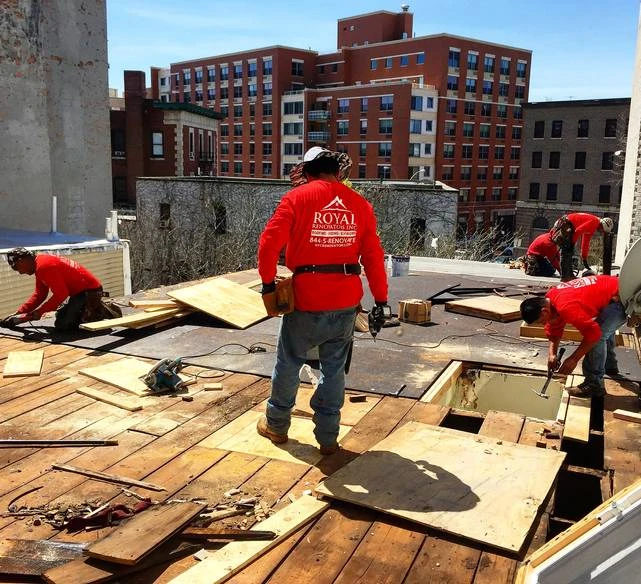
New York City is home to some of the most historically rich neighborhoods in the United States. Many residential buildings throughout the city were constructed decades ago, reflecting architectural styles and building practices from earlier generations. While these homes often possess strong structural foundations and timeless design, their roofing systems may face unique challenges as they age.
Over time, roofs naturally deteriorate due to constant exposure to weather conditions. In older homes, roofing materials may have reached the end of their lifespan, making regular inspections essential for maintaining safety and structural integrity. Homeowners often turn to roof inspection experts in NYC to evaluate aging roofs and identify potential risks before they lead to serious damage.
One of the most common problems in older roofs involves worn or deteriorating shingles. Asphalt shingles gradually lose their protective granules as they age. These granules shield the material from ultraviolet rays and help prevent water penetration. When they wear away, the underlying surface becomes vulnerable to heat, moisture, and cracking.
Another frequent issue in aging roofs is damaged flashing. Flashing is the metal material installed around chimneys, skylights, and roof joints to prevent water from entering the structure. Over time, flashing may corrode, loosen, or separate from surrounding materials. Even small gaps in these areas can allow rainwater to enter the roof system.
Leaks are perhaps the most recognizable sign of roofing problems, yet they often develop slowly. In older homes, small cracks or gaps may allow water to seep into the attic where it accumulates over time. This hidden moisture can damage insulation, weaken wood framing, and create conditions that encourage mold growth.
Ventilation problems are another common concern in older properties. Many older homes were built before modern ventilation standards were established. Without adequate airflow, warm air becomes trapped beneath the roof, causing condensation that gradually damages internal structures.
Structural sagging is a more serious issue that sometimes appears in aging roofs. Over decades of use, the weight of roofing materials, snow accumulation, and environmental stress can weaken support beams. If these structural elements deteriorate, portions of the roof may begin to sag, indicating that repairs or reinforcement are needed.
Gutter systems also play a significant role in roofing health. In older homes, gutters may become clogged with debris or detached from the roofline. When drainage systems fail, water can accumulate along the edges of the roof, increasing the risk of rot and water intrusion.
Another challenge facing older homes in New York is the accumulation of multiple roofing layers. In past decades, it was common practice to install new shingles over existing ones instead of removing the old materials. While this method saved time and labor, it also increased the weight placed on the roof structure.
Over time, multiple layers of roofing material can trap moisture and reduce ventilation efficiency. This combination accelerates deterioration and can shorten the lifespan of the entire roofing system.
Regular inspections help homeowners understand the true condition of their roofs. Professional inspectors evaluate not only the visible surface but also underlying structural components that may be hidden from view. By identifying early warning signs, homeowners can address problems before they escalate into major repairs.
Preventative maintenance is particularly valuable for older homes because it preserves both safety and historical character. Many homeowners choose to restore or upgrade roofing materials while maintaining the architectural style of the original building.
In a city known for its historic architecture, protecting aging homes requires careful attention to roofing systems. With professional guidance and proactive maintenance, homeowners can ensure that older properties remain safe, functional, and beautiful for generations to come.