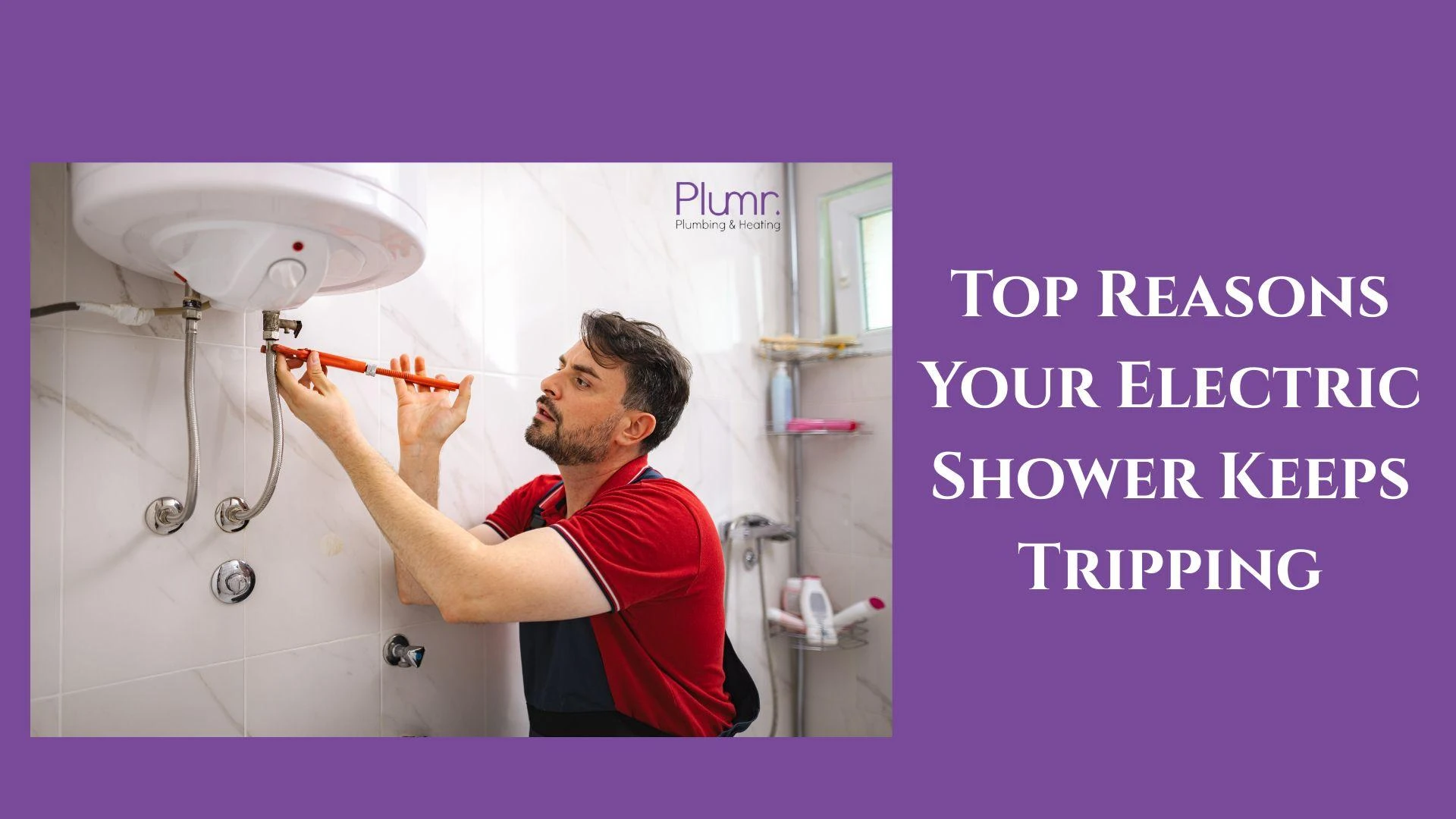
An electric shower offers convenience, energy efficiency, and quick access to hot water. However, many homeowners encounter the frustrating issue of their electric shower tripping the fuse or circuit breaker. If left unresolved, this not only disrupts your daily routine but can also pose potential safety risks. For many households, calling in experts for electric shower repairs becomes essential to ensure the system is restored safely and efficiently. Below, we explore the most common reasons your electric shower keeps tripping and provide actionable solutions to restore reliable performance.
1. Overloaded Electrical Circuit
One of the primary reasons an electric shower trips repeatedly is an overloaded circuit. Showers are high-powered appliances that demand significant electrical supply, often between 7.5 kW to 10.5 kW. If other appliances are running on the same circuit, the system may struggle to cope, resulting in tripping.
How to Fix It
- Ensure the shower has its own dedicated circuit, as required by UK electrical regulations.
- Consult a qualified electrician to assess if your consumer unit (fuse box) can handle the load.
- Upgrading the circuit breaker or RCD (Residual Current Device) may also be necessary for safe usage.
2. Faulty Heating Element
The heating element inside your electric shower is responsible for warming the water. Over time, this component can deteriorate or become damaged, especially due to limescale build-up in hard water areas. A failing heating element can cause short circuits, leading to frequent tripping.
How to Fix It
- Test the heating element using a multimeter to check resistance.
- If faulty, replace the heating element with a manufacturer-approved part.
- Consider fitting a water softener to reduce limescale accumulation and extend the life of your shower.
3. Water Leaks Inside the Shower Unit
Moisture where it doesn’t belong is a major cause of shower tripping issues. Internal leaks can reach electrical components, triggering the RCD to trip as a protective measure.
Signs of Water Leakage
- Visible condensation inside the shower casing.
- Drips or damp marks near the unit.
- A burning smell or crackling noises when the shower is in use.
How to Fix It
- Turn off the power supply immediately.
- Inspect seals, gaskets, and pipework for damage.
- Replace any worn-out seals and ensure all connections are watertight.
- Always allow a professional to perform internal repairs.
4. Damaged Shower Cables or Connections
Over time, wiring and electrical connections inside the shower may degrade due to heat, moisture, or wear and tear. Loose, frayed, or burnt cables can easily cause the unit to trip the circuit breaker.
How to Fix It
- Inspect the power cable for discolouration or scorching.
- Tighten all terminal screws and check for signs of melting plastic.
- Replace damaged cables with the correct size and rating to match your shower’s power output.
- Hire a certified electrician to handle wiring safely.
5. Defective Pull Cord Switch
Most electric showers are operated via a ceiling-mounted pull cord switch. This switch can wear out over time, especially if frequently used, leading to overheating or electrical arcing. This malfunction can trip the fuse.
How to Fix It
- Check for buzzing noises or a stiff pull cord.
- Replace the pull cord switch with a high-quality alternative.
- Ensure the replacement is properly rated for your shower’s power demand.
6. Incorrect Shower Installation
Improper installation is a common yet overlooked reason for electric showers tripping. If the shower is not connected to a suitable circuit or incorrectly earthed, the system will keep cutting out for safety.
How to Fix It
- Verify the installation was carried out in compliance with Part P of UK Building Regulations.
- Confirm that the shower has an isolator switch and a correctly rated circuit breaker.
- Seek a certified electrician’s inspection to identify and correct any mistakes.
7. Low Insulation Resistance
Moisture ingress or worn insulation in wires can lead to low insulation resistance, which causes leakage currents. As a result, the RCD will trip frequently.
How to Fix It
- Use an insulation resistance tester to identify weak spots.
- Replace or repair faulty cables.
- Ensure adequate sealing of the shower casing to prevent moisture entry.
8. Overheating Due to Limescale Build-Up
In hard water regions, limescale build-up inside the heating canister can cause overheating. This not only damages the heating element but also places strain on the entire shower unit, leading to trips.
How to Fix It
- Regularly descale the shower using a descaling solution.
- Consider installing a whole-house water softener or shower-specific limescale filter.
- Schedule routine servicing to prevent future build-up.
9. RCD or Circuit Breaker Fault
Sometimes, the issue isn’t the shower itself but the RCD or circuit breaker protecting the circuit. A faulty or overly sensitive breaker may trip unnecessarily.
How to Fix It
- Test the RCD with other appliances to see if it trips unexpectedly.
- Replace the breaker if it shows signs of wear or unreliability.
- Ensure your consumer unit is up to modern safety standards.
10. End-of-Life Shower Unit
Like any appliance, electric showers have a limited lifespan. If your shower is older than 8–10 years, frequent tripping could signal that it has reached the end of its safe working life.
How to Fix It
- If repairs become too frequent or costly, replacing the shower unit is the most practical solution.
- Choose a modern, energy-efficient model from a reputable brand.
- Have it installed professionally to ensure compliance with safety standards.
To reduce the risk of your electric shower tripping again, adopt the following preventive measures:
- Schedule annual inspections by a qualified electrician.
- Clean and descale the shower regularly.
- Avoid overloading circuits by ensuring the shower has its own supply.
- Replace worn components promptly before they fail.
By following these steps, you can prolong the life of your shower, maintain safety, and enjoy uninterrupted use.