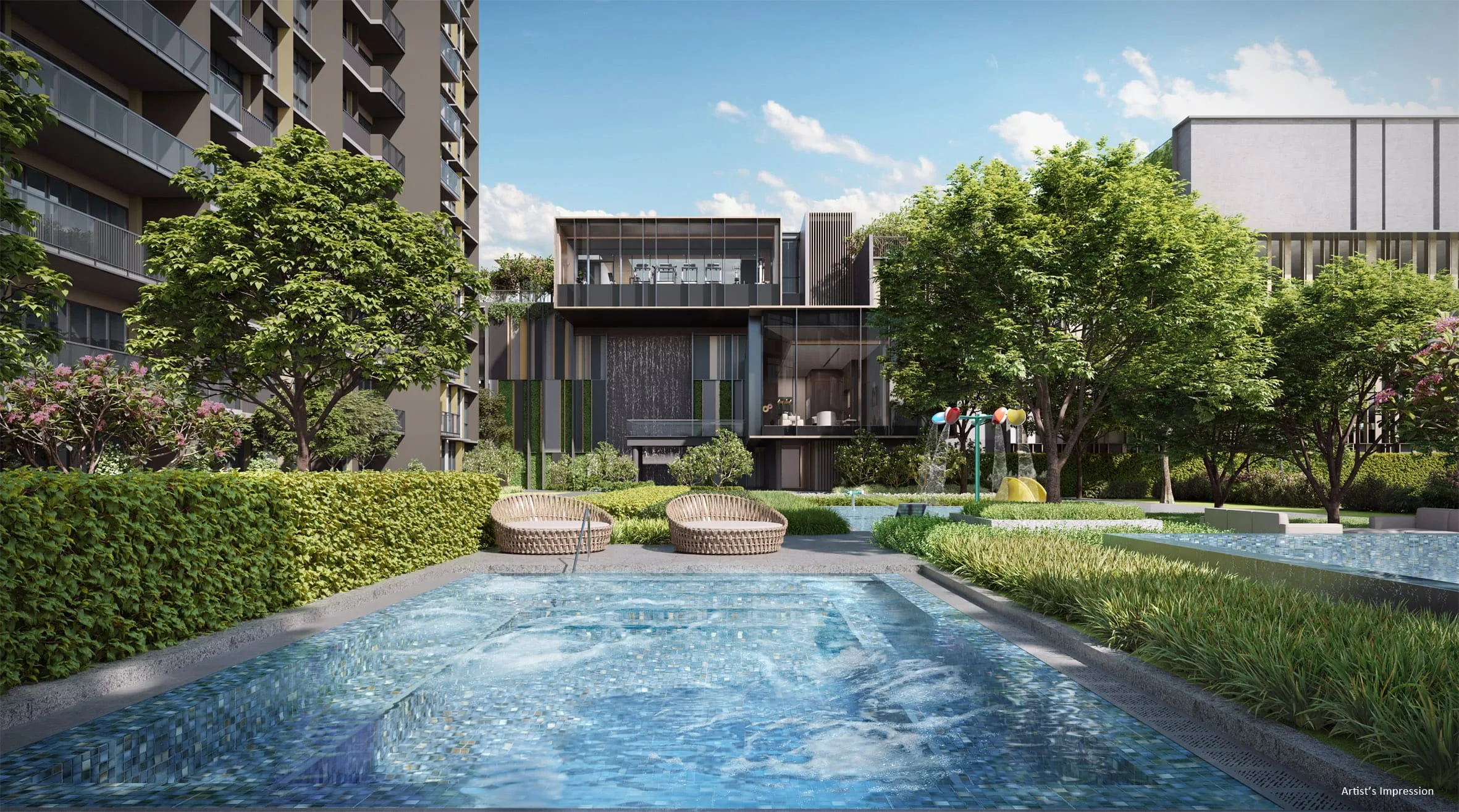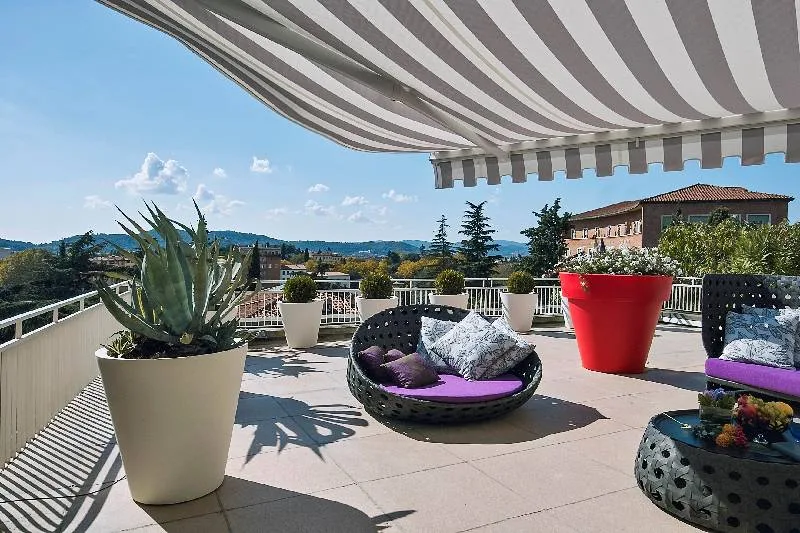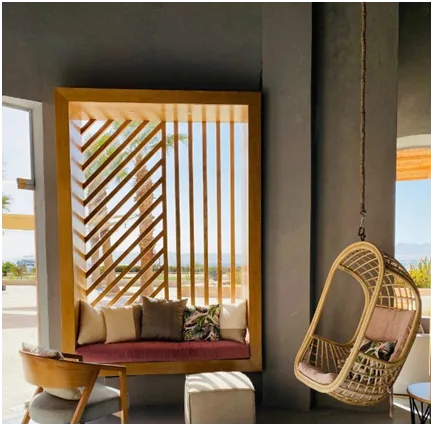
Design is now an important part of modern hospitals because it influences both patient health and the efficiency of hospital staff. How comfortable and welcoming a healthcare facility feels can change a patient’s feelings, time for recovery and belief in the care provided. For this reason, getting guidance from an expert in Aesthetic Hospital Design is necessary.
Using their skills, these designers ensure that health care areas are hygienic, soothing and inviting. They focus on much more than the technical plan, considering the vibe, ease of flow and usefulness of every part of the hospital area.
The Importance of Good Design in Hospitals
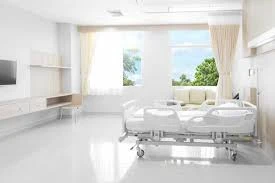
How a hospital is arranged and decorated tells a lot about it. Being in a light, clean and planned environment usually makes patients feel less worried and more comfortable. Families and those who visit value the gentle and tranquil mood in the hospital, especially in times of tension.
An Aesthetic Hospital Designer understands how to apply colour, lights, variations in texture and different materials to produce calmness. More than harsh interiors, they pick warm colours, allow lots of light and add caring and comfortable furniture.
Combining Appearance and Purpose
It is very important for a hospital to be functional. The space has to cover medical equipment, quick changing of patients and work well for staff. An Aesthetic Hospital Designer makes sure that decor does not get in the way of how the hospital works.
They could, for instance, use materials that are attractive and easy to keep clean. Consideration is given to how layout and furniture assist in quick movement by staff, but also preserve the safety and comfort of patients. Designers make every choice with both the overall look and the function of the space in mind.
Different Areas Require Special Consideration
Hospitals contain many different spots such as waiting rooms, wards, intensive care units, laboratories and operation theatres. Each part of the healthcare system must be managed using a different method. The design of a waiting area should make it more relaxing and less like a clinic, while in an ICU, sterility is most important, along with rapid access to tools.
An Aesthetic Hospital Designer plans every hospital section according to what it requires. The walls in pediatric units might use cheerful colours or images. It is common for maternity wards to be designed like luxurious hotels for ladies. When staffed for emergencies, departments and offerings may be more pared back.
Increasing Staff Happiness and Output
A hospital designed well not only provides help to patients, but also has benefits for its staff. People such as doctors, nurses and support staff are often pressed for time, and they walk and stand for many hours every day. A chaotic or uninspiring environment may affect a person’s job performance.
With careful attention to space and facility design, employing cleanliness, enough lighting and ergonomics, an Aesthetic Hospital Designer boosts the mood and efficiency of staff. A good workplace experience is created partly by smart equipment placement, good lighting and open sightlines.
Nowadays, healthcare places attention to design since it is needed rather than just being seen as something luxurious. Those hospitals that spend time making their spaces functional, simple and pleasant are praised for their care and how happy their patients are. A good Aesthetic Hospital Designer is skilled at merging design and practicality to make common spaces into places where people heal.
Using a talented designer makes sure your hospital design reflects health, hope and healing for all your patients and guests.