
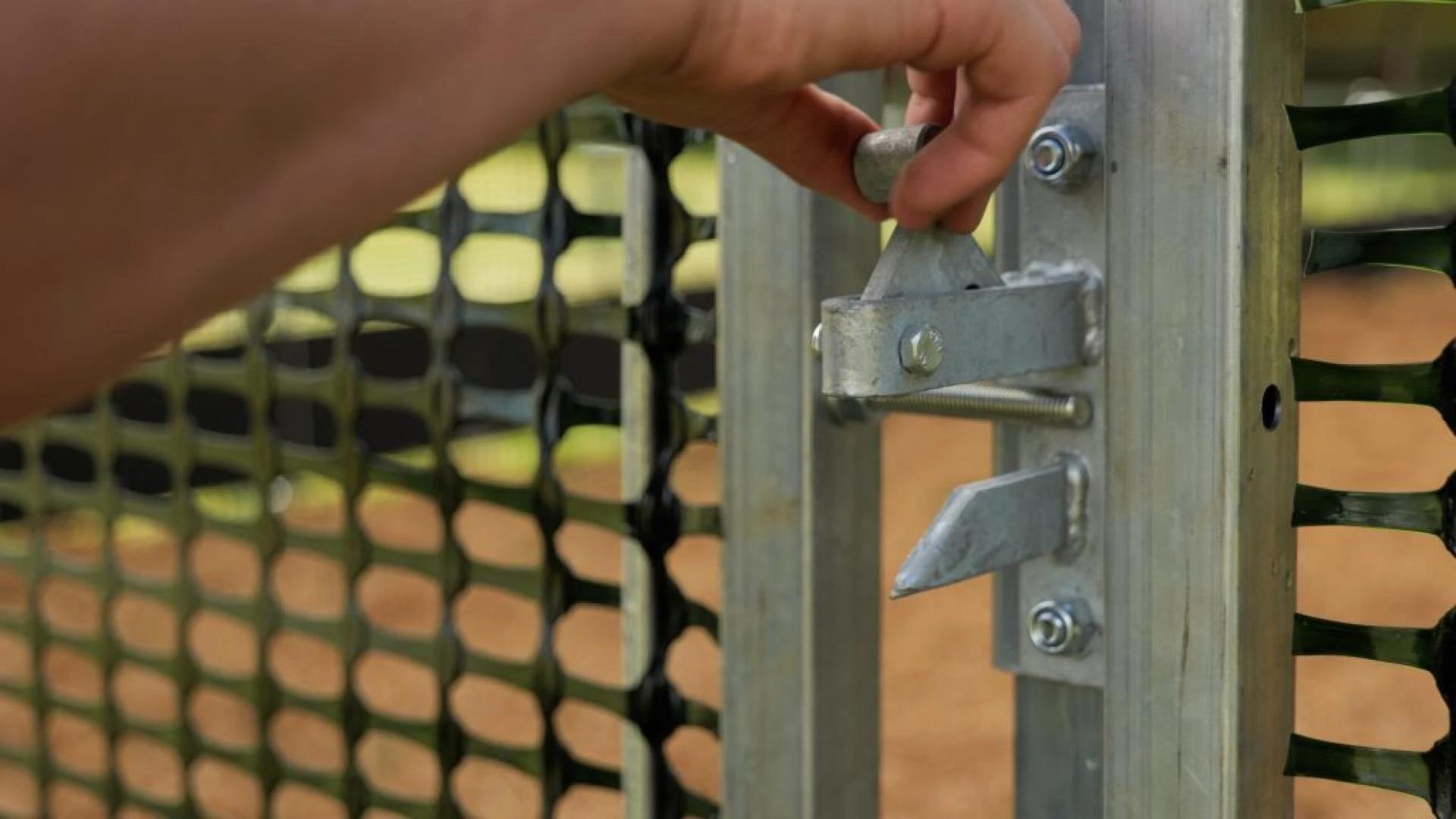
Poultry farming in the UK continues to evolve as producers respond to changing welfare standards, climate conditions, and market demand. Whether managing broilers, layers, or free-range flocks, the foundations of success remain consistent. Well-planned shelter, effective ventilation, and appropriate space allocation are central to healthy birds and reliable performance. By focusing on these essentials, farmers can create environments that support productivity while meeting regulatory expectations.
Designing an effective shelter for UK conditions
The British climate presents particular challenges. Rainfall, fluctuating temperatures, and seasonal winds all influence housing requirements. In poultry farming in the UK, shelter must provide consistent protection from damp conditions while allowing enough natural light to support bird behaviour and daily rhythms.
Strong structural design is important, but so is internal layout. Houses should be configured to allow clear movement for staff, safe access to feeders and drinkers, and easy cleaning between flocks. Materials used inside poultry buildings should be straightforward to sanitise to maintain biosecurity standards.
Insulation also plays a crucial role. Properly insulated roofs and walls help stabilise internal temperatures during winter and prevent overheating during warmer months. Maintaining consistent conditions reduces stress on birds and supports feed conversion efficiency.
The importance of ventilation and air quality
Ventilation is one of the most critical elements in poultry farming in the UK. Poor air movement can quickly lead to a buildup of ammonia, excess moisture, and airborne pathogens. This affects bird health, litter quality, and overall flock performance.
A well-designed ventilation system ensures fresh air is introduced evenly while stale air is extracted without creating draughts at bird level. Mechanical ventilation is common in larger units, allowing farmers to regulate airflow according to age, stocking density, and external weather conditions.
Monitoring humidity is equally important. Excess moisture in the air contributes to wet litter, which increases the risk of footpad dermatitis and other health concerns. By maintaining balanced airflow and humidity levels, farmers create a more stable internal climate that benefits birds and staff working inside the building.
Getting space allocation right
Space management is a key welfare and productivity factor in poultry farming in the UK. Stocking density must comply with national regulations and assurance scheme standards, but forward-thinking producers often go further to optimise bird comfort.
Birds require adequate room to access feed and water without competition. Overcrowding can lead to stress, aggressive behaviour, and uneven growth rates. Providing sufficient floor space also supports better litter conditions and reduces the spread of disease.
For free-range systems, outdoor access areas should be well managed to prevent poaching and maintain ground quality throughout the year. Rotational grazing and good drainage help sustain pasture condition and encourage birds to range more widely, which can improve overall welfare outcomes.
Planning for long-term efficiency
Investment in well-designed housing pays dividends over time. Energy-efficient lighting, automated feeding systems, and environmental controls help maintain consistent production standards. In poultry farming in the UK, long-term planning should also consider future expansion, changing legislation, and shifting consumer expectations.
Flexible building layouts allow producers to adapt to new welfare guidelines or market requirements without major disruption. By integrating practical design with careful management, farmers can safeguard flock health while maintaining strong operational performance. Thoughtful approaches to livestock housing underpin this progress and support sustainable growth across the sector.