Most guys don't hate shoes, they hate shoe shopping. The browsing, the sizing guesswork, the decision fatigue of comparing twelve nearly identical options. That aversion usually means shopping gets pushed off until something falls apart completely, at which point it's a rushed, single-purchase fix rather than any kind of real strategy. There's a better way: treating footwear shopping as one deliberate, once-a-year event instead of a recurring chore, walking away with everything needed for the next twelve months in a single, focused session.
This guide is built for exactly that mindset, a once-a-year shopping framework that covers the categories that actually matter, without turning it into an ongoing project.
Why One Annual Trip Beats Reactive Shopping
Shopping reactively, only once something wears out or an event demands it, tends to produce mismatched purchases made under time pressure. A single, planned session instead allows for actual comparison, better sizing decisions, and a rotation that's chosen intentionally rather than assembled piecemeal over months of scattered, rushed decisions.
The goal of this approach isn't buying everything at once every single year, it's doing a genuine annual review and filling only the gaps that actually need filling, rather than letting the whole process drift indefinitely.
Step One: The Five-Minute Inventory Check
Before buying anything, a quick mental or physical inventory saves time and prevents duplicate purchases. Pull out what's currently in rotation and sort it into rough categories:
- Everyday shoes still in decent shape
- Anything showing visible wear, cracked leather, flattened soles, stretched straps
- Categories with no current representation at all, no sandals, no boots, nothing dressier than sneakers
This step alone usually clarifies most of the shopping list before browsing even begins.
Step Two: The Everyday Anchor
If only one category gets addressed in the annual session, this should be it, since it's worn the most and affects daily comfort more than anything else in the rotation.
When comparing a full range of mens shoes, a few non-negotiables worth prioritizing:
- A cushioned, contoured footbed that actually supports the arch through a full day
- A flexible sole that moves with natural foot mechanics rather than resisting them
- Breathable materials that hold up to daily wear without excessive heat buildup
- A secure, comfortable fit through the midfoot
This is the pair that gets the most use, so it deserves the most careful evaluation, even within a streamlined annual shopping session.
Step Three: The Warm-Weather Trio
Rather than treating sandals, slides, and strappy designs as three separate future purchases, addressing all three warm-weather categories in a single annual session means summer never catches the rotation unprepared.
The everyday leather sandal — A well-made pair of mens sandals black leather covers the bulk of warm-weather needs: genuine leather that ages well, black that pairs with nearly anything, and enough structure to handle actual walking rather than just standing around.
The convenience slide — For quick errands, trips to the pool, or simply not wanting to deal with any kind of closure, a pair of mens leather slides shoes fills this specific low-effort niche without sacrificing the durability that cheap foam versions lack.
The active-day option — For anyone spending real time outdoors, travel, hiking-adjacent activity, extended walking, a pair of strappy sandals men shop for this purpose offers more security and traction than either of the previous two options, worth the addition specifically for higher-activity days.
Addressing all three in one session means never being caught mid-summer without the right option for a given day's actual plans.
Step Four: The Cool-Weather Bridge
Boots deserve their own dedicated slot in the annual review, since they carry more structural investment than most other categories and tend to get worn across a longer stretch of the year.
A Chelsea-style boot earns particular attention here because of how much range it covers relative to its single silhouette. A design like the Chelsea style boots for men option works across casual and slightly dressier occasions simultaneously, meaning it can often replace what would otherwise be two separate boot purchases.
What to check specifically for this category:
- An elastic side panel that allows an easy, secure slip-on fit
- Leather substantial enough to handle regular wear without showing damage quickly
- A silhouette clean enough to pair with both jeans and tailored trousers
- A sole with enough flexibility for genuine daily walking, not just standing
Step Five: The Skip-It Check
Not every category needs annual attention, and part of an efficient shopping session is recognizing what's still working and doesn't need replacement. A few honest questions before adding anything to the cart:
- Is this pair being replaced because it's genuinely worn out, or just because something newer caught my eye?
- Does my current rotation already have something that serves this same function reasonably well?
- Am I buying this because of a real gap, or because the annual shopping mindset is making we want to fill every category regardless of need?
Skipping categories that don't actually need attention keeps the annual approach efficient rather than turning into an excuse for unnecessary accumulation.
Building the Annual Session Around a Realistic Budget
Treating footwear shopping as a single annual event also makes budgeting more predictable than scattered, reactive purchases throughout the year. Rather than an unplanned expense whenever something wears out, a planned annual session allows for genuine comparison shopping and decision-making without the pressure of an immediate need.
A reasonable way to prioritize spending within a single session:
- Allocate the largest portion to the everyday shoe, since it gets the most wear
- Split a moderate portion across the warm-weather trio, prioritizing whichever of the three currently has the biggest gap
- Reserve a portion for the boot category, treating it as a genuine investment piece rather than an impulse addition
Why This Approach Works Especially Well for Reluctant Shoppers
The one-trip-a-year framework specifically benefits guys who find shopping tedious, because it front-loads all the decision-making into a single, focused session rather than requiring ongoing attention throughout the year. Once the annual trip is done, footwear stops being something to think about until the next scheduled review, freeing up mental space for literally everything else.
What Happens Between Annual Sessions
The point of this approach isn't ignoring footwear needs entirely between sessions, it's simply not treating every minor wear pattern as an immediate shopping trigger. Basic care, conditioning leather, letting shoes fully dry between wears, addressing small repairs promptly, extends the life of the current rotation enough that the next annual session stays a genuine review rather than an emergency replacement mission.
A Simple Annual Checklist
Going into each year's session, a quick checklist keeps the process efficient:
- Everyday shoe: still supportive, or showing real wear?
- Leather sandal: still holding up, or cracked and stretched?
- Slides: still secure, or worn thin?
- Strappy sandal: still needed based on actual activity level this year, or was it barely used?
- Boots: still structurally sound, or showing cracking or sole separation?
Final Thoughts on Making Shopping a Once-a-Year Event Instead of a Recurring Chore
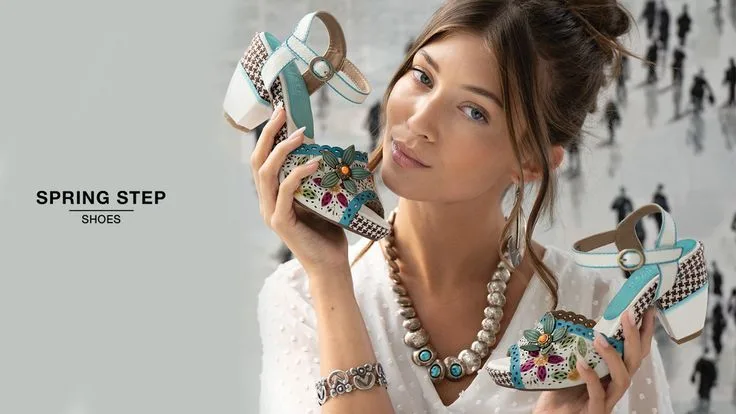
For anyone who dreads the process of shoe shopping, batching it into a single, well-planned annual session solves more than just the immediate purchase, it removes the ongoing mental overhead of reactive, last-minute decisions throughout the year. A well-rounded lineup from Spring Step shoes makes this kind of efficient, once-a-year approach easier to execute, offering everyday shoes, warm-weather sandals, and boots all in one place, built with the kind of comfort and construction that holds up long enough to make next year's session just as straightforward as this one. uncertainty than shopping for your own feet, but a little research into sizing, existing wear patterns, and lifestyle goes a long way toward getting it right. Slippers and leather sandals tend to be the safest, most appreciated starting points, while boots and everyday shoes reward a bit more careful sizing research before committing. A well-rounded lineup from Spring Step shoes makes this kind of gifting easier, offering enough range across categories to find something that genuinely fills a gap in his current rotation, whether he ever would have shopped for it himself or not
FAQs
1. Why are mens sandals black leather so popular?
They offer a classic appearance, match many outfits, and provide lasting comfort for everyday wear.
2. Are mens leather slides shoes suitable for daily use?
Yes. They are comfortable, easy to wear, and perfect for casual activities, travel, and relaxing days.
3. Can chelsea style boots for men be worn year-round?
They are best for cooler weather but can also be worn during mild seasons with jeans or chinos for a smart casual look.