The importance of selecting the appropriate surface for tennis courts cannot be overstated when building a safe, high-performing, and long-lasting tennis court. Material selection and maintenance will determine the choice, and comes handy in making the right choices between the new outdoor tennis court under construction or resurfaced. Let's look at the best materials and how to ensure the best experience with professional tennis court builders and contractors.
1. Asphalt with an Acrylic Surface
An asphalt tennis court is one among the several best surfaces it qualifies by affordability, durability, and consistent playability. The smooth, weather-resistant surface has been shared with acrylic tennis flooring, provides outstanding traction, and has significant ball response.
This type of surface would always favor clubs and schools, plus public courts. This surface is also customizable, offering a choice of tennis court colors for improved visibility and branding. In order to maintain performance, resurfacing would be recommended every few years, and professional resurface tennis courts in such cases.
2. Synthetic Turf
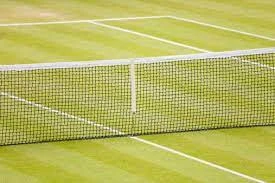
This is more of turf for tennis courts but works perfectly as an indoor floor with multipurpose use. Turf systems are soft-landing surfaces that cushion the joints of seniors or casual players from more intensive strains.
Unlike natural grass, turf incurs some maintenance requirements such as brushing and infill replacement maintenance but is not as high compared with natural grass. Proper installation done by experienced tennis court contractors would result in really good drainage while maintaining even coverage.
3. Modular Tile Systems
These comprise interlocked tiles to form that perfect, durable, shock-absorbent surface that emulates true court play. Installing this system is easy, and it can be used for indoor or outdoor set-ups.
It is excellent for schools, recreational centers, and temporary deploying. And what is more; it comes in pre-colored panels so you don't have to paint the tennis court at all. Tennis court markings may even be printed or embedded into the tiles guided by accurate measurements of the tennis court layout.
4. Important Factors Affecting the Surface Selection
To select the best flooring for a tennis court, consider the following:
Level of use: Courts that see high traffic require more durable materials, e.g., asphalt with acrylic coatings.
Climate: Acrylic serves best in dry climates, while turf and modular tiles are better when it rains, as they drain internally.
Maintenance: The surface must be so chosen to match the capacity of the superintendent and the budget.
Budget: Asphalt tends to be cheapest, but those that need tennis court turf and modular systems may require lower long-term upkeep.
Going for experienced tennis court builders will ensure that the tennis project meets all functional and regulatory requirements such as proper tennis court surfacing and accurate tennis court markings.
Conclusion
Asphalt with acrylic tennis flooring, tennis court turf, or modular tiles-the respective top surfaces for tennis courts-all vary greatly in advantages based upon usage, location, and budget. Professional installation and maintenance are very important in ensuring the long-term performance and safety of the courts. Whether these contractors are called upon to construct, repaint, or repair/ resurface a particular tennis court, the dedicated professionals will, in all fairness, offer their expertise toward producing, in all respects, an enduring surface with great playability.