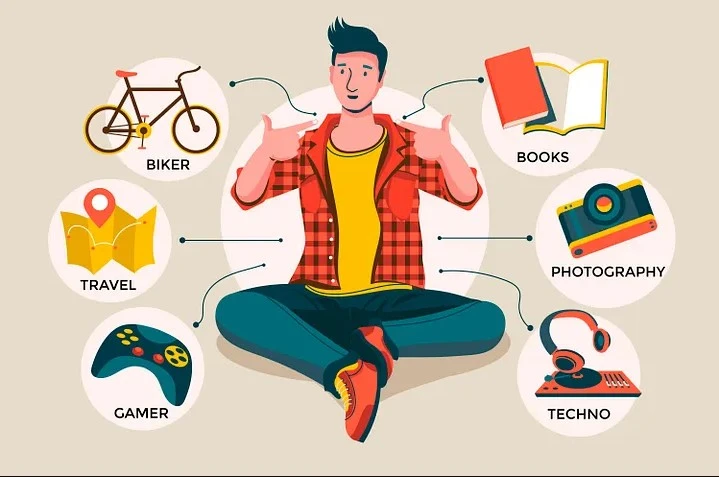
In today’s fast-paced world, cultivating creativity and problem-solving skills has become more important than ever. Engaging in hobbies isn’t just a way to pass the time; it’s a powerful method to enhance cognitive abilities, reduce stress, and foster personal growth. From hands-on activities to mental challenges, certain hobbies stimulate the brain, encouraging innovative thinking and strategic problem-solving. Exploring the right hobbies can also provide a fulfilling and productive outlet, balancing both relaxation and skill development.
Hobbies that promote creativity often involve experimentation, imagination, and artistic expression. Activities like painting, drawing, writing, or digital design allow individuals to explore new ideas, test concepts, and develop unique solutions. These creative exercises stimulate neural pathways, improving adaptability and mental flexibility key components of effective problem-solving. Even simple tasks, such as journaling or doodling, can spark inspiration and enhance your ability to think outside the box.
Problem-solving-focused hobbies engage logic, strategy, and critical thinking. Activities like chess, puzzle solving, coding, or tabletop games encourage you to analyze situations, anticipate outcomes, and devise solutions. Over time, these hobbies improve decision-making skills and strengthen cognitive resilience. Regular engagement in such activities equips the mind to approach real-life challenges with confidence and resourcefulness.
Another exciting category is hands-on crafting and DIY projects. Hobbies such as woodworking, model building, electronics, or home improvement combine creativity with analytical thinking. They require planning, precision, and adaptability skills directly transferable to problem-solving in professional and personal contexts. By experimenting with materials, techniques, and designs, hobbyists enhance both their imaginative and practical abilities simultaneously.
For those looking to explore a wide range of hobby options, platforms like Hobbiesville offer an extensive selection of creative and problem-solving activities. Using Hobbiesville Coupons Codes can make it easier to try new crafts, games, and kits without stretching your budget. From beginner-friendly DIY kits to advanced creative sets, Hobbiesville provides tools that cater to all skill levels, making it an ideal resource for hobby enthusiasts.
Arts and Crafts to Expand Your Creative Mind
Arts and crafts remain one of the most effective ways to boost creativity. Painting, sketching, sculpture, and crafting encourage experimentation with color, form, and technique. These activities allow the mind to wander freely, fostering innovative thinking and enhancing artistic skills. Engaging in such hobbies regularly can improve visual-spatial awareness and attention to detail, which are valuable in both personal projects and professional tasks.
Crafting hobbies like knitting, crocheting, or jewelry-making combine creativity with pattern recognition and planning. These activities develop patience and precision while also offering a satisfying sense of accomplishment. For those looking to enhance both creativity and focus, arts and crafts provide a low-stress, highly rewarding outlet.
Writing and Storytelling for Mental Flexibility
Writing is a powerful tool for developing problem-solving and creative thinking. Whether it’s creative writing, blogging, poetry, or journaling, the act of structuring ideas, characters, and narratives trains the brain to think critically and imaginatively. Writers learn to anticipate plot developments, resolve conflicts, and craft coherent ideas, which mirrors real-life problem-solving processes.
Storytelling, in particular, encourages perspective-taking and empathy. By envisioning multiple viewpoints and outcomes, writers improve their ability to navigate complex situations. Even short writing exercises, like daily journaling or prompt-based stories, can stimulate creativity and enhance cognitive flexibility.
Games and Puzzles for Strategic Thinking
Board games, card games, and puzzles are excellent hobbies for sharpening analytical skills. Chess, Sudoku, Rubik’s cubes, and strategy games challenge the mind to plan ahead, recognize patterns, and make calculated decisions. These hobbies improve memory, concentration, and strategic thinking, all of which are transferable to everyday problem-solving.
Team-based games also foster collaboration, communication, and negotiation skills. Engaging with others in a competitive but fun environment teaches adaptability, resilience, and creative strategy, providing both social interaction and cognitive growth.
DIY Projects and Building Hobbies
Hands-on hobbies such as model building, electronics, robotics, or woodworking integrate creativity with practical problem-solving. These activities require attention to detail, planning, and adaptability core skills for addressing real-world challenges. Hobbyists often encounter unexpected issues, such as fitting components or troubleshooting designs, which builds resilience and encourages innovative thinking.
DIY projects also promote goal-setting and project management skills. Planning, executing, and refining a project from start to finish mirrors the problem-solving cycle in professional and personal contexts. These activities provide tangible results, offering satisfaction and reinforcing motivation to explore more complex challenges over time.
Music, Performing Arts, and Cognitive Development
Engaging in music, dance, or theater can significantly enhance both creativity and cognitive skills. Learning an instrument, composing songs, or choreographing dance routines requires pattern recognition, timing, and adaptability. Performance arts also encourage improvisation and quick thinking, helping individuals develop innovative approaches to challenges.
Music and performing arts improve memory, coordination, and attention to detail. They engage multiple areas of the brain simultaneously, fostering connections that enhance overall problem-solving capabilities. Whether as a solo pursuit or a group activity, these hobbies provide both entertainment and mental growth.
Digital Creativity and Technology-Based Hobbies
In the digital age, technology-based hobbies like coding, digital art, video editing, or game development are excellent for combining creativity with analytical thinking. These activities encourage problem-solving, logical reasoning, and iterative experimentation. They also open doors to professional opportunities, as skills developed through hobbyist projects are often directly applicable in tech-related careers.
Online communities and resources make it easy to learn, share, and collaborate on digital projects. Experimenting with software, apps, and tools can expand your creative toolkit, empowering you to approach challenges with confidence and ingenuity.
Benefits of Hobbies on Mental Health and Productivity
Beyond skill development, hobbies provide emotional and psychological benefits. Engaging in creative or problem-solving everyday activities reduces stress, boosts mood, and enhances focus. Regular hobbies create a sense of accomplishment, encouraging persistence and self-discipline. This combination of mental stimulation and emotional reward makes hobbies a holistic approach to personal development.
By integrating hobbies into your daily or weekly routine, you build habits that support both cognitive growth and emotional well-being. Over time, these activities foster a proactive mindset, enhance adaptability, and improve your ability to tackle challenges in creative and effective ways.
Final Thoughts
Choosing the right hobbies can transform your cognitive abilities and enrich your life. Whether through arts and crafts, writing, games, DIY projects, music, or digital creativity, each activity offers unique opportunities to boost creativity and problem-solving skills. Platforms like Hobbiesville provide access to high-quality tools and resources that make exploring new hobbies easy and enjoyable.
Incorporating hobbies into your routine isn’t just about leisure, it's about investing in your mind, creativity, and overall personal growth. By committing time to meaningful activities, you can enhance problem-solving capabilities, stimulate imagination, and foster a lifelong passion for learning and discovery.