
Is your family getting bigger? Do you need more space? Consider adding a second floor to your home. First, make sure the base of your house is strong enough to support another level.
This step can totally transform your home's look and feel. It's important to check if your structure can handle the addition and understand any regulations that apply. Miami home renovation specialists are key partners in this journey, helping with planning and cost management.
So, if you're thinking about expanding upward for more room, we've got the guidance you need right here!
Why Add a Second Floor?
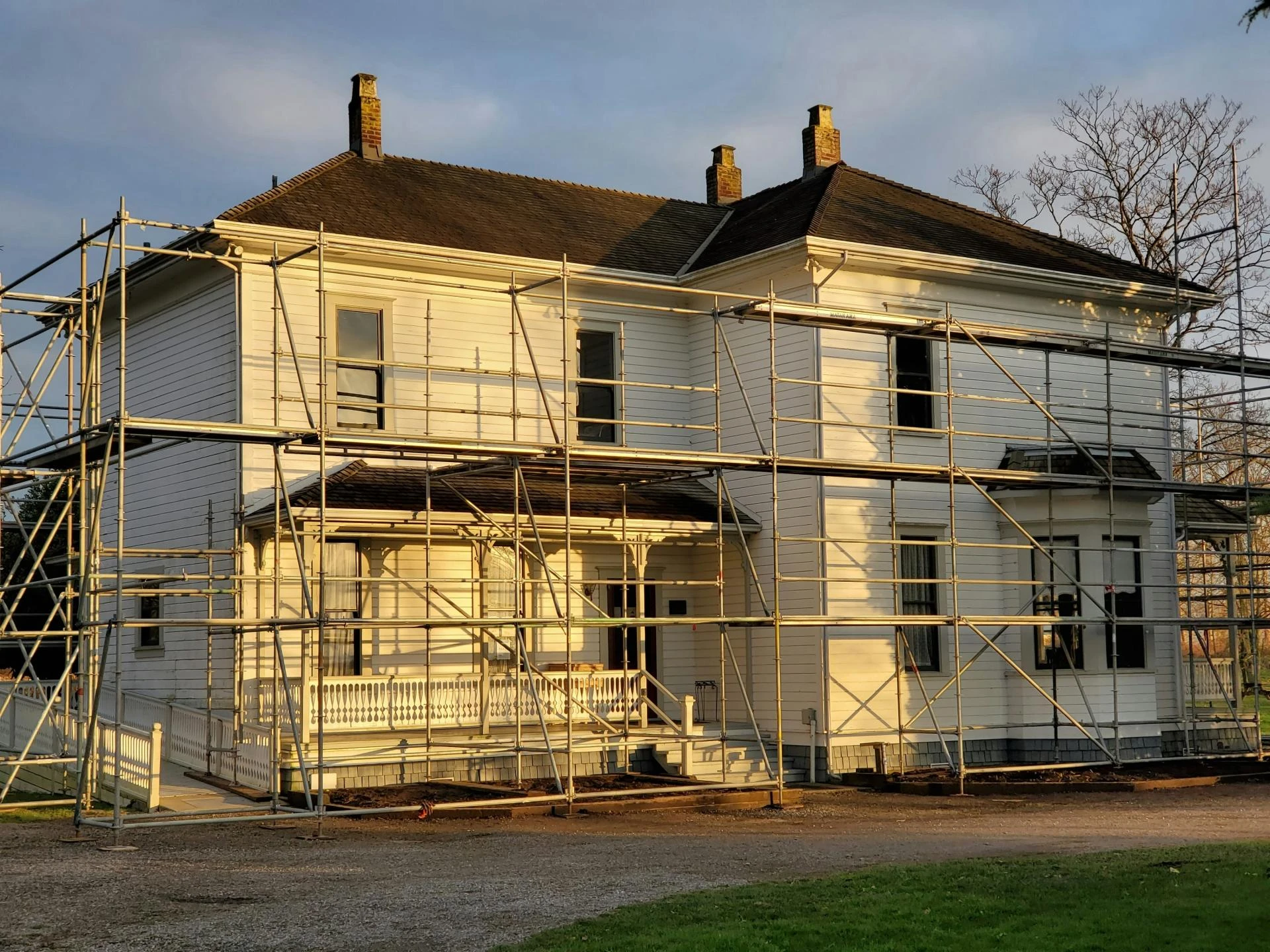
Adding a second floor increases space and upgrades your home without moving. Families grow, and the need for space changes. A new story means more room and can add modern elements like a bathroom or modern farmhouse kitchen.
This upgrade can give your home a new feel.
Miami home remodeling contractors point out that adding a second floor opens up possibilities and may increase property value. Planning for structure and permits is essential before bringing design ideas to life.
Proper planning ensures those dream kitchens or bathrooms become real, enhancing your living space effectively.
Assessing Your Home's Readiness
Is your home ready for a second-floor addition? Let's talk about evaluating the foundation and checking zoning regulations and permits. Ready to dive into it?
Evaluating the Foundation
To add a second floor to your home, first check the foundation. It needs to be strong to carry more weight. If weak, your safety and the house's stability could be at risk.
Specialists will examine the foundation to see if it can support another story. Specialists may recommend reinforcing the foundation through underpinning, structural bracing, or adding supports to safely accommodate the additional weight. This step is essential for safety and preventing any future issues with your home.
Checking Zoning Regulations and Permits
Before adding a second floor to your home, make sure it can support the addition. Next, check local zoning regulations and permits. These laws decide if you can build that modern farmhouse kitchen or stunning new bathroom upstairs.
Contact your local planning department and building inspectors early to clearly understand zoning restrictions, building codes, and permit requirements, facilitating smoother approval processes.
To get approved, gather all necessary documents and possibly draft some plans. This shows that patience matters in home improvement projects. It's important to follow the rule "Better safe than sorry." Skipping steps could cost more than any permit fee.
Going through this process now prevents problems later.
Types of Second-Story Additions
Considering adding a second floor to your home? There are different types of second-story additions you can explore. Each has its unique benefits and considerations, so it's essential to familiarize yourself with the options before making a decision.
Full Second-Story Addition
Adding a full second story to your home is a major undertaking and requires thorough planning. Before starting, make sure that your current foundation can support the additional load.
Consider getting approval from city zoning and obtaining the necessary permits before construction begins. The cost of a full second-story addition varies based on factors like size and whether you're adding new bathrooms or other amenities upstairs.
Proper budgeting, understanding building requirements, and careful planning are crucial for a successful full second-story addition to your home.
Partial Second-Story Addition
Now, let's talk about a partial second-story addition. This type of addition involves building an extra floor on only a portion of your home. A partial second-story addition typically costs between $150,000 to $200,000 for a 500-700 square foot space, but prices may vary significantly based on regional labor rates, material choices, and project complexity.
When considering this type of addition, it's crucial to think about staircase placement, doors, windows, and how you'll access the new level. Ensure you check zoning regulations and obtain the appropriate permits before starting construction.
Modular Second-Story Addition
A modular second-story addition involves prefabricated sections that are constructed off-site and then assembled on top of the existing home. This option often provides a faster construction timeline compared to traditional building methods, typically taking around 30-60% less time to complete.
It can also be more cost-effective, with overall savings ranging from 10-20%, making it an attractive choice for homeowners looking to add a second floor without extensive disruption or high costs.
When considering a modular second-story addition, ensure that you work with reputable manufacturers who adhere to strict quality control standards. This method offers a versatile and efficient way to expand your living space while ensuring minimal disturbance during the construction process.
Integrating modern bathroom features into this type of addition can further enhance the value and functionality of your home, creating a seamless blend of style and convenience in your new space.
Budgeting for Your Second Floor
Budgeting for a second floor involves various costs influenced by factors such as size, materials, and labor. To get an accurate estimation, consider consulting multiple contractors and suppliers before deciding.
Intrigued? Keep reading to unravel more helpful considerations!
Factors Affecting Costs
Factors affecting the costs of adding a second floor:
- Size of the Addition: A larger second-story addition will generally incur higher costs due to increased materials and labor.
- Complexity of Design: Intricate designs, custom features, and non-standard layouts can drive up expenses.
- Structural Upgrades: If the existing structure requires reinforcement to support the added weight, this will impact costs.
- Plumbing and Electrical Work: Adding bathrooms or relocating utilities to accommodate the new space adds to the overall expense.
- Quality of Materials: Opting for premium finishes and materials will elevate the cost compared to standard options.
- Geographic Location: Local labor rates, permit fees, and material availability vary by region, influencing total expenses.
Cost-Saving Tips
Adding a second floor to your home comes with significant costs. However, here are some tips that can help you save money:
- Consider reusing existing materials and repurposing them for the new addition. This could include salvaging doors, windows, or even structural elements.
- Opt for standard-sized windows and doors instead of custom sizes to reduce costs without compromising on quality.
- Consider scheduling your project during the off-peak construction season—usually late fall or winter—to take advantage of potentially lower labor rates and greater contractor availability.
- Do some of the less technical work yourself, such as painting or landscaping, to cut labor costs.
- Explore energy-efficient options for insulation, HVAC systems, and appliances to reduce long-term operational expenses while potentially qualifying for tax incentives or rebates.
- Get multiple quotes from different contractors and suppliers to compare prices and find the best deals without sacrificing craftsmanship.
These cost-saving strategies can help make your second-floor addition more affordable without sacrificing quality or safety.
Conclusion
Considering adding a second floor to your home? Ensure that your foundation and ground floor can handle the extra weight. Also, remember to check zoning regulations and permits before starting any construction.
Whether you opt for full second-story additions or modular options, there are different types to consider based on your needs and budget. Keep in mind that proper planning, understanding costs, and obtaining necessary permits are essential for success.
Therefore, take the time to assess all considerations before diving into this exciting endeavor!