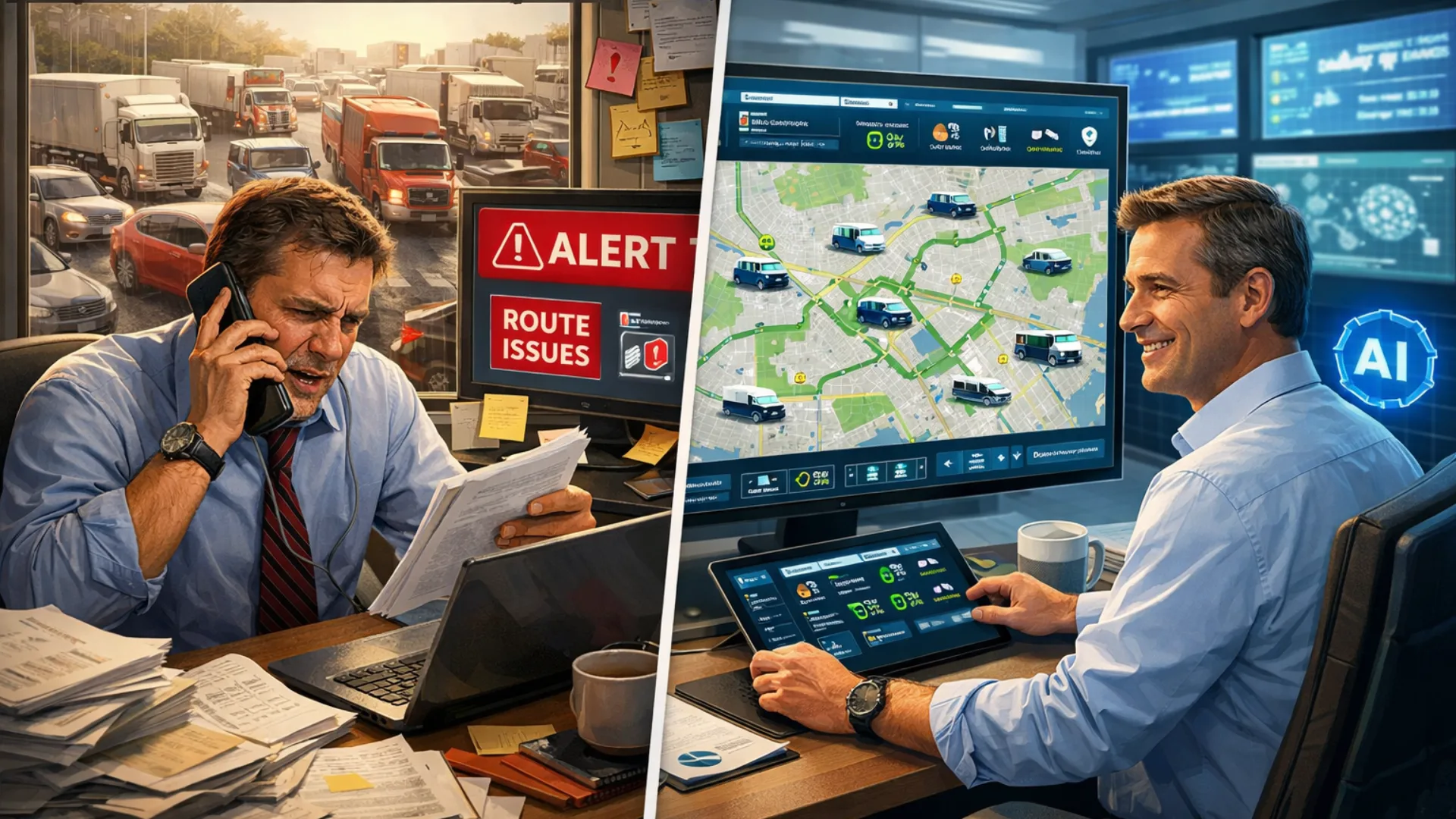
One driver is stuck in traffic. Another vehicle broke down unexpectedly. A delivery is running late, and your customer wants answers now. Meanwhile, fuel costs are climbing, and you’re trying to figure out where the inefficiencies are coming from.
Running fleet operations today isn’t just about moving vehicles from point A to point B. It’s about juggling costs, safety, deadlines, and customer expectations all at once. And doing it without real-time insights can feel like flying blind.
This is exactly where AI Fleet Management Software is changing the game. Businesses are now investing in smarter systems through Fleet Management Software Development to turn daily chaos into streamlined operations. Companies like SSTech System are helping make that shift possible with intelligent, data-driven solutions.
What is Fleet Management Software?
At its core, fleet management software helps you monitor and manage your vehicles, drivers, and operations from a single platform. You can track vehicles in real time, schedule maintenance, monitor fuel usage, and manage driver performance. But traditional systems only show you what’s happening.
Key Challenges in Fleet Operations
1. Rising Fuel Costs
Fuel is one of your biggest expenses. And small inefficiencies add up quickly.
Unoptimized routes, excessive idling, and poor driving habits can quietly drain your budget. Without clear visibility, it’s hard to pinpoint where the waste is happening.
2. Poor Route Optimization
You’ve probably had days where deliveries are delayed simply because routes weren’t planned well.
Traffic conditions change. Roadblocks appear. Weather disrupts schedules. If your routing system isn’t dynamic, your operations suffer.
3. Vehicle Maintenance Issues
Breakdowns never happen at a convenient time.
When maintenance is reactive instead of planned, it leads to higher repair costs, downtime, and missed deliveries. You end up fixing problems after they’ve already impacted your business.
4. Driver Safety and Behavior
Your drivers are on the road every day, and their behavior directly affects safety and costs.
Speeding, harsh braking, and fatigue not only increase accident risks but also lead to higher fuel consumption and vehicle wear and tear.
5. Lack of Real-Time Visibility
Without real-time tracking, you’re constantly guessing.
Where is the vehicle right now? Why is it delayed? Is the driver following the planned route?
6. Regulatory Compliance
Managing compliance manually can be exhausting.
From driver logs to safety regulations, missing even a small requirement can result in penalties or operational disruptions.
7. Data Overload Without Insights
You might already have access to data, but raw data alone doesn’t help.
Spreadsheets, reports, and logs can quickly become overwhelming if they don’t translate into clear, actionable insights.
How AI Fleet Management Software Solves These Challenges
This is where things start to change for you.
1. Smart Route Optimization
AI analyzes real-time traffic, weather, and historical data to recommend the best routes.
Instead of static planning, your routes adapt as conditions change. You save time, reduce fuel usage, and improve delivery accuracy.
2. Predictive Maintenance
Imagine knowing a vehicle is likely to fail before it actually does.
AI uses historical data and sensor inputs to predict maintenance needs. This allows you to schedule repairs in advance, reducing downtime and avoiding costly breakdowns.
3. Fuel Efficiency Optimization
AI tracks fuel consumption patterns across your fleet.
It identifies inefficiencies like idling, aggressive driving, or suboptimal routes. With this insight, you can take targeted actions to reduce fuel costs.
4. Driver Behavior Monitoring
You get a clear view of how your drivers are performing.
AI systems track driving habits such as speed, braking, and acceleration. This helps you coach drivers, improve safety, and reduce risks on the road.
5. Real-Time Tracking and Visibility
You no longer have to guess.
With live GPS tracking, you can see exactly where every vehicle is. If there’s a delay, you know why and can respond immediately.
6. Automated Compliance Management
AI simplifies compliance by automating documentation and alerts.
You get reminders for renewals, digital logs for audits, and real-time updates to ensure you stay within regulations.
7. Data-Driven Insights
Instead of drowning in data, you get clear insights.
AI turns complex data into simple dashboards and recommendations. You can spot trends, identify problems, and make better decisions faster.
Benefits of AI-Powered Fleet Management Systems
When you start using AI in your fleet operations, the impact becomes visible quickly. You reduce operational costs because inefficiencies are easier to identify and fix. Your fleet runs more smoothly, with fewer delays and breakdowns. Customer satisfaction improves because deliveries are more reliable. Your vehicles last longer due to better maintenance, and your business becomes easier to scale.
Role of Fleet Management Software Development
Every fleet is different. What works for one business may not work for another. That’s why Fleet Management Software Development plays a critical role. Custom-built solutions allow you to integrate the exact features you need. Whether it’s IoT sensors, telematics, or cloud-based systems, everything works together seamlessly.
Future Trends in AI Fleet Management
Fleet management is evolving quickly, and you’re likely to see even more changes ahead. AI will continue to improve predictive analytics, making forecasts even more accurate. Autonomous vehicles may start playing a bigger role in certain industries. Integration with smart city infrastructure will make routing even more efficient. And sustainability will become a priority, with AI helping reduce emissions and optimize energy usage.
Conclusion
It’s the end of another long day, and you finally pause to look back. The delays, the fuel losses, the constant calls. You’ve been managing problems instead of preventing them. But it doesn’t have to stay this way. When you bring AI into your fleet operations, things begin to shift. You gain clarity, control, and time to focus on growth instead of daily chaos. The right system helps you stay ahead, not catch up. And once you experience that difference, you realize it’s not just about managing a fleet anymore. It’s about running a smarter, more efficient business every single day.