Modern agriculture is evolving rapidly, with farmers increasingly focusing on sustainable and eco-friendly farming practices. As environmental concerns grow and the demand for organic produce rises, bio pesticides products have become an essential part of crop protection strategies. Unlike conventional crop chemicals, these natural solutions provide effective pest control while maintaining soil health, protecting beneficial insects, and ensuring long-term agricultural sustainability.
What Are Bio Pesticides Products?
Bio pesticides products are derived from natural materials such as bacteria, fungi, viruses, and plant extracts. They work by targeting specific pests or diseases, minimizing harm to crops and the surrounding ecosystem. Unlike traditional crop chemicals, bio pesticides do not leave harmful residues on crops or in the soil, making them safer for humans, animals, and the environment.
There are three main categories of bio pesticides:
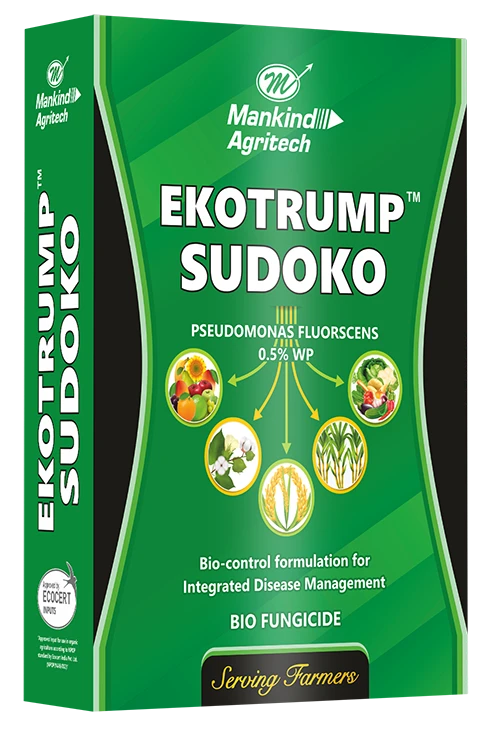
Microbial Bio Pesticides: Made from naturally occurring microorganisms such as bacteria, fungi, or viruses that control pest populations.
Biochemical Bio Pesticides: Include substances like pheromones, plant extracts, and essential oils that disrupt pest behavior or development.
Plant-Incorporated Protectants (PIPs): These are crops genetically modified to produce their own pest-resistant substances.
Each type plays a unique role in maintaining healthy, pest-free crops while promoting ecological balance.
Benefits of Using Bio Pesticides Products
Farmers across India are increasingly recognizing the benefits of bio pesticides. Here are some key advantages:
- Eco-Friendly Protection: Bio pesticides target specific pests without harming beneficial insects like pollinators and earthworms.
- Reduced Chemical Dependency: They help decrease reliance on synthetic crop chemicals, promoting soil and environmental health.
- Safe for Consumers: As they are derived from natural sources, bio pesticides leave minimal or no toxic residues on food products.
- Resistance Management: Continuous use of synthetic pesticides often leads to pest resistance. Bio pesticides offer an alternative mechanism of action, reducing this risk.
- Cost-Effective in the Long Run: Though initial costs may vary, their long-term benefits in preserving soil fertility and reducing crop losses make them a smart investment.
Top Bio Pesticides Products for Modern Farmers
As the demand for sustainable farming increases, several bio pesticides products have emerged as reliable options for Indian farmers. Below are some of the most effective types widely used in agriculture today:
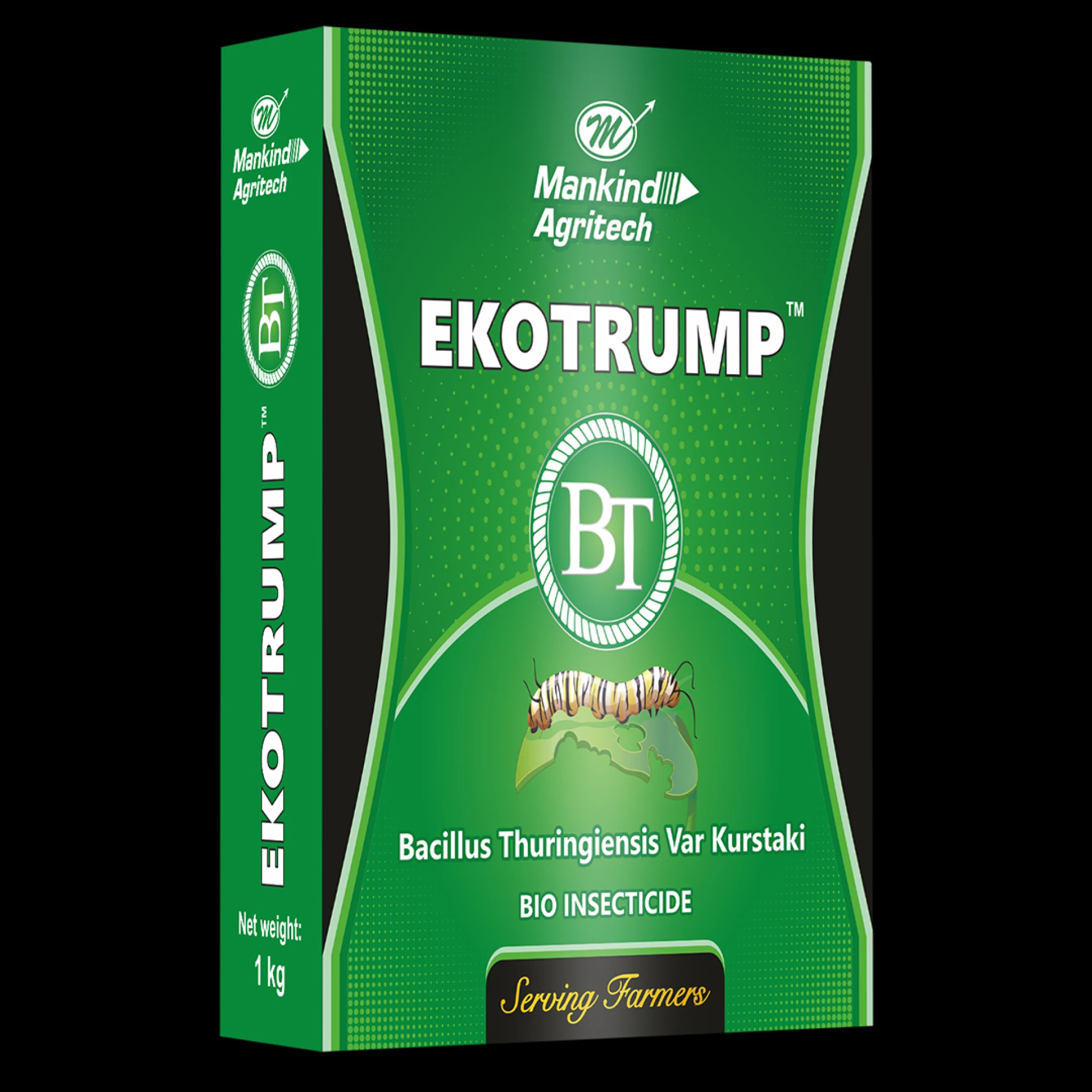
Bacillus thuringiensis (Bt):
One of the most popular microbial bio pesticides, Bt is a naturally occurring bacterium that produces toxins harmful to caterpillars and other larvae. It is particularly effective against pests in crops like cotton, maize, and vegetables.
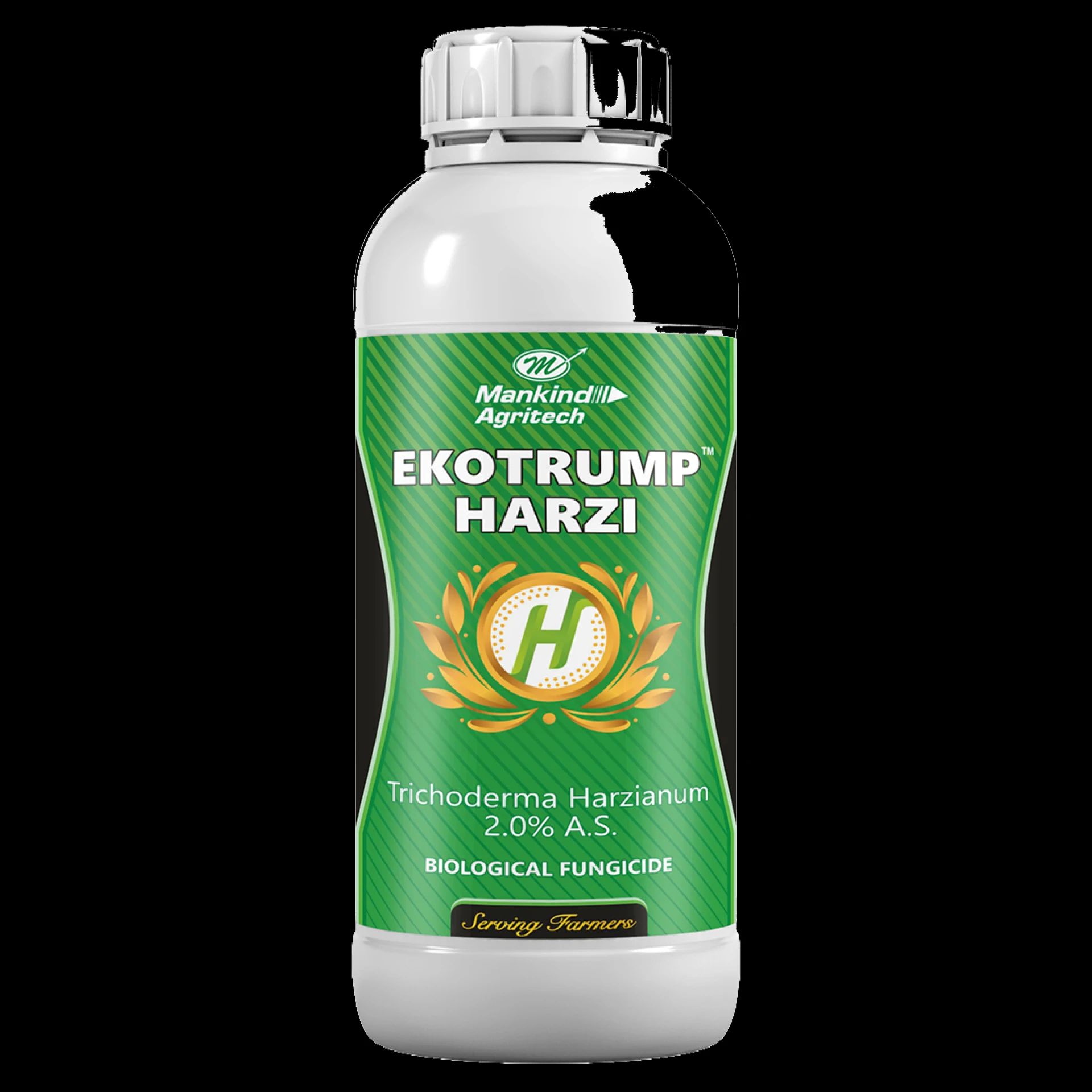
Trichoderma harzianum:
A beneficial fungus that suppresses plant pathogens such as Fusarium, Rhizoctonia, and Pythium. Trichoderma acts both as a bio fungicide and a plant growth promoter, enhancing root development and nutrient absorption.
Beauveria bassiana:
A fungal bio pesticide that infects and kills a wide range of insect pests, including whiteflies, aphids, and beetles. It is an excellent alternative to chemical insecticides for vegetables, pulses, and horticultural crops.
Neem-Based Bio Pesticides:
Extracts from neem (Azadirachta indica) have been used for centuries as natural pest repellents. Neem-based formulations disrupt insect growth and feeding patterns, offering broad-spectrum pest control without harming the environment.
Metarhizium anisopliae:
This entomopathogenic fungus effectively controls soil-dwelling pests such as termites, root grubs, and beetles. It provides sustainable pest control in sugarcane, paddy, and plantation crops.
Pheromone Traps and Attractants:
These biochemical bio pesticides are used to monitor and control pest populations by interfering with their mating behavior. They are especially useful for integrated pest management (IPM) programs.
Paecilomyces lilacinus:
A bio nematicide that targets root-knot nematodes and other soil-borne parasites. It promotes healthier roots and enhances crop productivity.
Integrating Bio Pesticides with Traditional Crop Chemicals

While bio pesticides products are powerful on their own, integrating them with conventional crop chemicals through Integrated Pest Management (IPM) can yield even better results. IPM involves using multiple pest control techniques—biological, cultural, and chemical—in a balanced and environmentally responsible way.
For example, farmers can apply bio pesticides as a preventive measure and use selective chemical pesticides only when pest infestations exceed threshold levels. This strategy minimizes chemical usage, preserves beneficial organisms, and enhances the overall resilience of the cropping system.
The Future of Bio Pesticides in Indian Agriculture
India’s agricultural sector is witnessing a strong shift toward sustainable farming. Government initiatives promoting organic cultivation and consumer awareness about food safety are driving the demand for bio pesticides products. Moreover, technological advancements are improving the efficiency, stability, and shelf life of these biological solutions, making them more practical for farmers.
In the coming years, bio pesticides are expected to play a central role in ensuring food security, environmental sustainability, and agricultural profitability. They represent a powerful tool for balancing productivity with ecological preservation.
Conclusion
The adoption of bio pesticides products is not just a trend—it’s a necessity for the future of sustainable agriculture. By combining traditional crop chemicals with innovative biological solutions, farmers can protect their crops, maintain soil fertility, and reduce environmental impact.
Mankind Agritech stands as a trusted name in providing advanced bio pesticides and crop care solutions tailored for modern Indian farmers. With a commitment to innovation and sustainability, Mankind Agritech continues to empower the agricultural community by offering safe, effective, and environmentally responsible products that ensure healthy crops and a greener planet.