
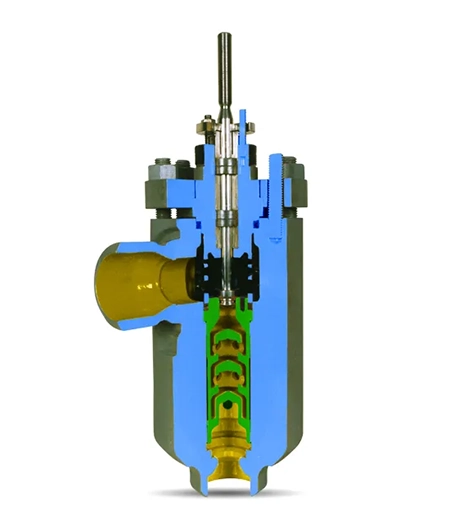
Industrial pump systems operate in demanding environments where reliability, efficiency, and safety are non-negotiable. From boiler feed applications in power plants to high-pressure hydrocarbon transfer in refineries, centrifugal pumps must function within a defined flow range to maintain performance and longevity. Operating below the minimum required flow can result in overheating, cavitation, vibration, and severe mechanical damage.
An Automatic Recirculation Valve is specifically engineered to eliminate these risks. By automatically maintaining minimum flow conditions, it protects pumps, enhances efficiency, and ensures safe operation under varying system demands. The ARV Valve has become a critical solution in modern pump protection strategies due to its intelligent design and self-actuated functionality.
This article explores the major advantages of installing an Automatic Recirculation Valve in pump systems and how it contributes to long-term operational excellence.
Understanding the Importance of Minimum Flow Protection
Every centrifugal pump has a defined Minimum Continuous Stable Flow (MCSF). When system demand drops below this threshold, internal recirculation begins. This condition causes:
- Rapid temperature increase
- Hydraulic instability
- Cavitation
- Increased radial thrust
- Mechanical seal damage
- Bearing wear
Without proper protection, prolonged low-flow operation can result in catastrophic failure. An Automatic Recirculation Valve prevents these issues by ensuring the pump always operates above its minimum safe flow limit.
1. Continuous Minimum Flow Assurance
The primary benefit of an Automatic Recirculation Valve is automatic minimum flow control. When discharge flow decreases below a preset value, the valve opens a bypass line to recirculate excess fluid back to the suction source or storage tank.
This ensures:
- Stable pump operation
- Continuous cooling
- Protection against deadhead conditions
- Reduced mechanical stress
The ARV Valve eliminates the need for manual bypass adjustments or complex external control systems.
2. Prevention of Overheating
Low-flow conditions restrict fluid movement inside the pump casing, leading to heat buildup caused by internal friction. Excessive temperatures can degrade seals, distort internal components, and shorten pump life.
An Automatic Recirculation Valve maintains sufficient flow through the pump at all times, ensuring proper heat dissipation and thermal stability. This reduces the risk of temperature-related failures in high-pressure or high-temperature applications.
3. Reduced Risk of Cavitation
Cavitation occurs when vapor bubbles form due to pressure fluctuations and collapse violently within the pump. This phenomenon causes pitting, erosion, and vibration damage.
By maintaining consistent flow and pressure conditions, the ARV Valve minimizes the risk of cavitation. Stable hydraulic performance directly contributes to improved pump reliability and reduced maintenance requirements.
4. Improved Hydraulic Efficiency
Centrifugal pumps are designed to operate near their Best Efficiency Point (BEP). When operating far below this point, efficiency declines and energy losses increase.
Installing an Automatic Recirculation Valve ensures that the pump remains within a stable flow range, closer to optimal performance. This results in:
- Lower energy consumption
- Improved hydraulic balance
- Reduced internal turbulence
- Enhanced operational efficiency
Over time, improved efficiency translates into significant cost savings.
5. Elimination of Manual Monitoring
Traditional minimum flow protection systems often rely on manual bypass valves or operator intervention. These systems are prone to delays, misjudgment, and human error.
An ARV Valve operates automatically based on flow conditions. It does not require external power, instrumentation, or continuous supervision. This reduces operational risks and ensures reliable protection even during sudden demand fluctuations.
6. Integrated Multi-Function Design
An Automatic Recirculation Valve combines several critical functions within a single compact unit:
- Check valve operation to prevent reverse flow
- Flow sensing mechanism
- Bypass regulation
- Minimum flow control
This integrated design simplifies system layout and reduces the number of components in the pipeline. Fewer components mean lower installation costs, fewer leak points, and improved reliability.
7. Enhanced Equipment Longevity
Pumps represent a significant capital investment in industrial systems. Damage caused by low-flow operation can drastically reduce service life.
By stabilizing operating conditions, the ARV Valve protects essential components such as:
- Impellers
- Shafts
- Bearings
- Mechanical seals
- Wear rings
The result is extended equipment lifespan and reduced replacement frequency.
8. Minimized Downtime
Unexpected pump failure can halt entire production processes. Downtime in industries like petrochemicals, power generation, and manufacturing can lead to substantial financial losses.
Installing an Automatic Recirculation Valve significantly reduces the risk of unplanned shutdowns. Continuous protection ensures smoother operations and improved plant reliability.
9. Suitable for Severe Service Applications
Industrial pump systems often operate under extreme pressures, temperatures, and corrosive conditions. The ARV Valve is engineered for severe service environments, including:
- Boiler feed water systems
- Condensate extraction pumps
- Refinery charge pumps
- LNG transfer systems
- High-pressure injection lines
- Petrochemical processing units
Its robust construction ensures consistent performance even in demanding applications.
10. Energy Cost Optimization
Energy consumption is one of the largest operational expenses in industrial facilities. Pumps account for a major portion of total energy usage.
By preventing inefficient low-flow operation, an Automatic Recirculation Valve helps optimize energy utilization. Maintaining stable hydraulic conditions reduces unnecessary power draw and enhances overall system efficiency.
11. Improved System Safety
Deadheading or prolonged low-flow conditions can create dangerous pressure and temperature buildup. In high-pressure systems, this may pose safety hazards.
An Automatic Recirculation Valve acts as a protective barrier against such conditions. By automatically opening the bypass when required, it prevents unsafe operating scenarios and enhances overall system safety.
12. Simplified Installation and Maintenance
Compared to complex control valve systems that require instrumentation and power supply, the ARV Valve offers a simpler solution. Its self-actuated design reduces maintenance demands and lowers long-term service costs.
Fewer components and straightforward installation make it an attractive choice for new systems and retrofit applications.
Long-Term Operational Value
The benefits of installing an Automatic Recirculation Valve extend beyond immediate pump protection. Over time, industries experience:
- Reduced repair costs
- Lower spare part inventory
- Improved production stability
- Enhanced compliance with safety standards
- Greater return on investment
Its ability to automatically adapt to changing flow conditions makes it a vital asset in modern industrial operations.
Conclusion
Installing an Automatic Recirculation Valve in pump systems delivers substantial advantages in efficiency, reliability, and safety. By ensuring continuous minimum flow, preventing overheating and cavitation, and eliminating manual intervention, it protects critical pump components and enhances overall performance.
For industries seeking advanced and dependable pump protection solutions, Vytal Controls provides engineered valve technologies designed to maximize operational safety, efficiency, and long-term reliability.