
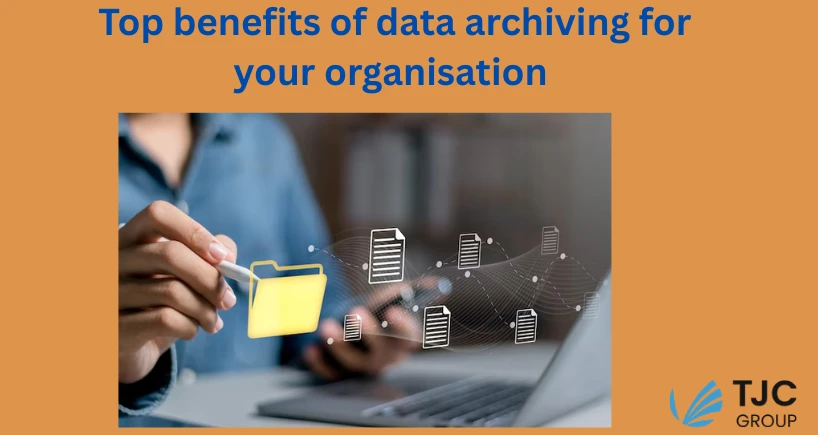
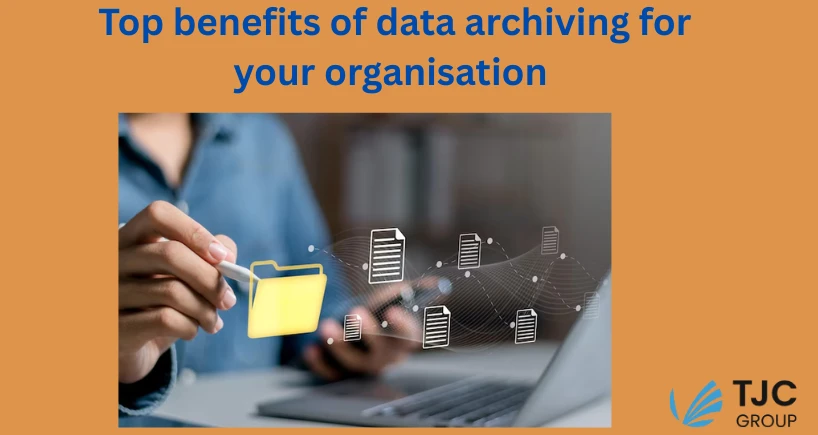
The fact of the matter is that data growth is an inevitable factor in today’s landscape, and it is set to increase more in the coming years. However, managing and maintaining these vast amounts of data is even more critical. Thankfully, data archiving is here to help organisations. In simple terms, archiving means moving infrequently used data from your primary system to another storage location. Often, people ask, is archiving really that important? Well, a quick answer to that question is if you want to optimize system performance, reduce the overall space in your database, and improve system availability, then yes, archiving is important. Before you understand some of the key benefits of data archiving, let's learn about the process of data archiving.
Data archiving: An overview
As you've already explored in this article, data growth is happening at an unprecedented rate, and it will continue to grow. With more data comes the responsibility of managing it effectively and securely. This is exactly where the process of data archiving comes into play. Overall, it is a strategic process that allows companies to manage their data volume seamlessly. Furthermore, there are several technologies used in data archiving. For instance, in the context of SAP, the Archive Development Kit (ADK), along with the Archive Administration (transaction SARA) technology, is used.
SAP data archiving may seem like a standard process, but when you take a deep dive, there are various factors associated with it. One of the most perfect examples of this is archiving objects. In fact, archiving objects is one of the most critical aspects that you should understand. As stated by SAP, an archiving object helps you specify the data for archiving and how that data should be archived. Moreover, they also define database objects, which must be handled together as a single business object.
Understanding the key benefits of data archiving
Not that you've explored the process of archiving, let's take a closer look at some of the key benefits of data archiving:
Compliance with regulations
One of the key benefits of data archiving is that it helps meet the constantly evolving compliance requirements. Archiving helps companies meet legal requirements without affecting any business operations. Interestingly, data archiving keeps essential data alive without requiring the deletion of any audit-related information. This way, you can avoid the chances of non-compliance and paying hefty penalties to the authorities.
Streamlined database
By implementing data archiving to control your data growth, you can leverage an efficient and streamlined database. The process of archiving data frees up valuable space in the database and reduces performance issues that are created by vast amounts of transaction data. Moreover, SAP data archiving helps ensure consistent and quick response times, making the database smoother and more competitive for business users.
Lower total cost of ownership
What makes the process of data archiving more important for organisations is that it helps control the excessive costs associated with storing large amounts of data that are infrequently used. By taking care of all the historical data and moving it from your primary system, data archiving ultimately reduces the total cost of ownership.
Compliance with data privacy regulations
Another advantage of archiving is its ability to ensure strict compliance with data privacy regulations. In today's heavily digitalised world, personal data is all around, which makes data privacy laws more stringent than ever. Data archiving helps in meeting compliance not only with data privacy regulations but also with all tax and audit-related requirements. This is done by retaining and deleting any personal data that organisations collect from users.
Meeting sustainability goals
Another one of the benefits of data archiving is that it helps you meet your sustainability goals. As a matter of fact, sustainability is the need of the hour, and companies cannot miss out on this element of the modernised world. Helping businesses achieve their sustainability goals and lower their carbon footprint is a truly effective advantage of data archiving, as the process helps reduce the amount of data. This way, you won't have to use excess energy and multiple data centres to keep your data.
Why is data archiving critical in system migration?
Preparing your data for system migration is significant; however, organisations often overlook this step until the migration process starts. Keep in mind that data storage costs are constantly increasing, and because of that, organisations cannot migrate all their data to a newer system. That's why having a detailed data management strategy is important. This is where SAP data archiving, which is also a critical element of data management, comes into the picture.
That said, here are the two crucial advantages companies can leverage from data archiving at the time of system migration:
Reduced storage costs
As archiving limits the growth of your database, the storage costs automatically reduce significantly. This can be achieved by using a reliable server, as it enables you to ensure an optimal data compression ratio. This data compression ratio helps in reducing the overall storage costs. Furthermore, organisations must keep in mind that once they have migrated to a newer system, the growth of the data must be controlled to prevent spiralling costs, as it has been observed that databases can typically grow by more than 15% per year.
Faster migration times
Another one of the benefits of data archiving when migrating to a newer system is that it reduces your overall migration times. Wondering how? Well, by archiving the data that isn't frequently used or accessed, the load on the main system becomes less. This way, you can only migrate with the data that is much needed in your regular business operations in less time.
Conclusion
While the advantages of data archiving are numerous, having the right partner by your side will help you maximise these benefits. With the right expert, you can eliminate various disruptions associated with the process and execute the project seamlessly. Moreover, the help from an expert is not just limited to the completion of the SAP data archiving project; the right expert will also provide ongoing support even after the project is successfully completed.