
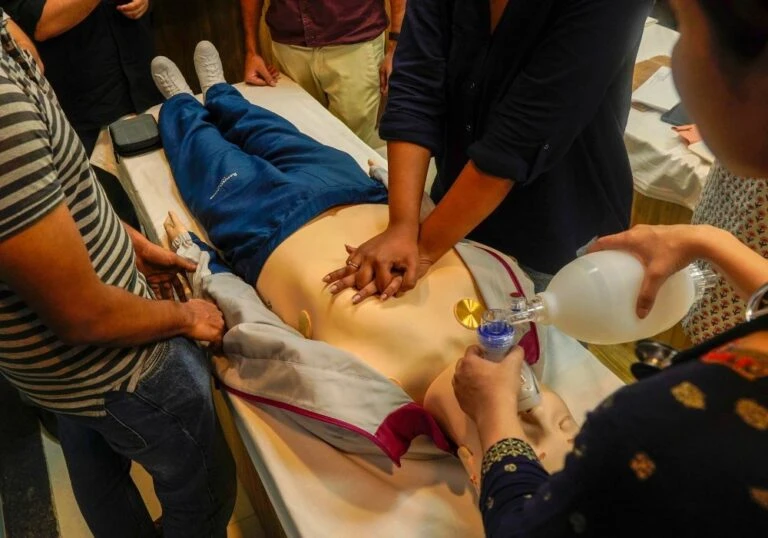
Staying current with Advanced Cardiac Life Support (ACLS) guidelines is crucial for healthcare providers, and NIAC is committed to equipping clinicians with the latest lifesaving knowledge. In 2026, significant updates have emerged that impact resuscitation practices, emphasizing efficiency, precision, and patient-centered care. Whether you are a seasoned provider or preparing for certification, understanding these changes can dramatically improve patient outcomes during cardiac emergencies.
1. Emphasis on Early Recognition and Rapid Response
One of the most important updates in ACLS is the heightened focus on early recognition of cardiac arrest and prompt intervention. The latest guidelines highlight that survival rates improve significantly when healthcare teams identify signs of deterioration before full arrest occurs. Rapid activation of emergency response systems, immediate initiation of high-quality chest compressions, and swift defibrillation remain the cornerstones of resuscitation. NIAC strongly encourages hospitals to implement rapid response protocols and continuous staff training to ensure timely intervention.
2. Updated Chest Compression Recommendations
Quality chest compressions are more critical than ever. The updated ACLS guidelines emphasize the need for:
- Compressions at a rate of 100–120 per minute
- A depth of at least 2 inches (5 cm) for adults
- Allowing complete chest recoil between compressions
- Minimizing interruptions to maintain perfusion
Additionally, feedback devices that monitor compression depth and rate are increasingly recommended to ensure consistency, particularly in high-stress scenarios.
3. Refined Defibrillation Strategies
Defibrillation practices have also been refined. The 2026 guidelines suggest a more tailored approach, emphasizing rapid analysis of the cardiac rhythm and minimizing delays between recognition and shock delivery. For patients with shockable rhythms such as ventricular fibrillation or pulseless ventricular tachycardia, immediate defibrillation followed by high-quality compressions is paramount. NIAC emphasizes that synchronized team coordination during defibrillation can significantly improve the chances of return of spontaneous circulation (ROSC).
4. Medication Updates and Timing
While the role of epinephrine remains central, ACLS updates now provide clearer guidance on timing and sequence. Early administration of epinephrine in non-shockable rhythms can improve survival rates, whereas vasopressin has been deprioritized in adult cardiac arrest management. Amiodarone and lidocaine remain essential for refractory shockable rhythms, but clinicians are encouraged to tailor therapy based on patient-specific factors and evolving evidence.
5. Post-Cardiac Arrest Care and Targeted Temperature Management
Post-resuscitation care has gained increased emphasis in ACLS protocols. Targeted temperature management (TTM) is recommended for patients who achieve ROSC but remain comatose. Maintaining a temperature of 32–36°C for at least 24 hours has been shown to improve neurological outcomes. Additionally, continuous hemodynamic monitoring, early coronary intervention when indicated, and addressing underlying causes of cardiac arrest are now central components of post-arrest care.
6. Enhanced Team Dynamics and Simulation Training
Modern ACLS guidelines recognize that technical skills alone are insufficient. Effective team communication, clear role assignment, and regular simulation-based training are essential for optimizing resuscitation outcomes. NIAC encourages institutions to integrate scenario-based learning, which helps clinicians develop critical thinking and decision-making skills under pressure.
Conclusion
The 2026 Advanced Cardiac Life Support guideline updates underscore the importance of early recognition, high-quality compressions, timely defibrillation, tailored medication use, and robust post-arrest care. By integrating these updates into daily practice, healthcare professionals can enhance patient survival and neurological outcomes. NIAC continues to lead in providing comprehensive ACLS education, ensuring clinicians are prepared to deliver evidence-based, lifesaving interventions when every second counts. Staying updated is no longer optional—it’s a critical responsibility for anyone involved in cardiac care.